Emotional Wellness Step by Step: Achieve Lasting Balance

Feeling lost in Madrid when anxiety or burnout strikes is a common experience for many English-speaking expats. Adjusting to life in a new city often makes emotional struggles harder to manage, especially when routines change and support networks shift. By using culturally sensitive strategies and integrative therapy techniques, you can build rapid emotional wellness that truly fits your unique circumstances. Discover practical steps for self-assessment, supportive routines, and personalized healing methods to regain clarity and resilience no matter where you call home.
Table of Contents
Quick Summary
Key Point | Explanation |
1. Assess emotional needs honestly | Begin with self-reflection to identify emotional triggers and patterns in your life. |
2. Establish supportive daily routines | Create structured habits that promote emotional stability and resilience through consistency. |
3. Utilize integrative therapy techniques | Personalize your healing by combining various therapeutic methods that suit your unique challenges. |
4. Monitor emotional progress regularly | Use an emotional journal and self-check-ins to track your healing journey and recognize patterns. |
5. Validate emotional outcomes effectively | Establish metrics and gather feedback to objectively assess your emotional wellness and growth. |
Step 1: Assess your emotional needs
Emotional wellness starts with honest self-reflection and understanding your internal landscape. This crucial first step helps you identify the underlying patterns and triggers that shape your emotional experiences.
To effectively assess your emotional needs, consider the following systematic approach:
Recognize your current emotional state: Take time to pause and honestly evaluate how you feel right now
Track emotional patterns: Monitor your reactions and mood shifts over several days or weeks
Identify potential stress sources: Examine work, relationships, and personal challenges
The comprehensive assessment of emotional skills requires a multi-dimensional perspective. Research suggests using multiple observation points and methods to gain a holistic understanding of your emotional landscape.
Emotional assessment is not about judgment, but about gaining clarity and understanding.
Start by creating a simple emotional journal where you document daily experiences, noting specific emotional triggers and your responses. Pay attention to physical sensations, thought patterns, and energy levels as indicators of your emotional well-being.
Pro tip: Use a digital or physical notebook to track your emotions consistently, creating a baseline for understanding your unique emotional blueprint.
Step 2: Establish supportive routines
Building consistent emotional wellness requires creating structured daily practices that support your mental health and provide a sense of stability. This step is about designing personalized routines that nurture your emotional resilience and create predictable pathways for managing stress.
Designing effective supportive routines involves several strategic approaches:
Create morning and evening rituals: Develop consistent bookend activities that ground you emotionally
Schedule regular self-care time: Block dedicated periods for relaxation and personal restoration
Prioritize consistent sleep patterns: Maintain a stable sleep schedule that supports emotional regulation
Research highlights the importance of structured mental health routines in promoting long-term emotional stability. By integrating intentional habits, you can build a robust framework for emotional well-being.
Consistency transforms ordinary actions into powerful emotional support mechanisms.
Start by mapping out your ideal daily structure, focusing on activities that generate positive emotional momentum. Experiment with different routine configurations to find what resonates with your unique lifestyle and emotional needs. Consider incorporating mindfulness practices, physical exercise, social connections, and moments of personal reflection.

Pro tip: Begin with three core routine elements and gradually expand, allowing yourself flexibility and compassionate adaptation as you develop your emotional wellness practice.
Step 3: Apply integrative therapy techniques
Integrative therapy offers a powerful, personalized approach to emotional healing by combining multiple therapeutic methods tailored to your unique psychological landscape. This step focuses on understanding and implementing comprehensive therapeutic strategies that address your specific emotional challenges.
Applying integrative therapy techniques involves several key approaches:
Identify your primary emotional challenges: Recognize the specific areas where you need the most support
Explore diverse therapeutic methods: Learn about different approaches like CBT, EMDR, and mindfulness techniques
Customize your healing strategy: Work with a therapist to develop a personalized treatment plan
The goal of integrative therapy is to create a holistic approach that addresses your emotional, psychological, and social needs. Combine multiple therapeutic strategies to develop a comprehensive healing framework that resonates with your individual experience.
Here’s a comparison of popular integrative therapy methods and their key benefits:
Therapy Method | Main Focus | Typical Use Case | Notable Benefit |
Cognitive Behavioral Therapy (CBT) | Thought re-framing | Anxiety, depression | Evidence-based, structured |
Eye Movement Desensitization and Reprocessing (EMDR) | Trauma processing | PTSD, distressing memories | Rapid trauma alleviation |
Mindfulness-Based Therapy | Awareness and acceptance | Stress, emotional regulation | Improves present moment focus |
Integrative Therapy | Multi-modal healing | Complex emotional challenges | Custom tailored approach |
Healing is not a one-size-fits-all journey, but a personalized path of self-discovery and transformation.
Begin by consulting with a therapist who specializes in integrative approaches. Discuss your emotional history, current challenges, and treatment goals. Be open to exploring different techniques and remain flexible in your approach to emotional wellness.
The Combining Therapy Methods for Faster Recovery article provides additional insights into how different therapeutic approaches can work together effectively.
Pro tip: Approach integrative therapy with curiosity and patience, understanding that healing is a dynamic process that evolves as you grow and learn about yourself.
Step 4: Monitor progress and adjust
Tracking your emotional wellness journey requires consistent reflection and strategic adaptation. This step focuses on developing a systematic approach to self-assessment that empowers you to understand your healing process and make informed adjustments along the way.
Effective progress monitoring involves several key strategies:
Maintain a detailed emotional journal: Document your experiences, challenges, and breakthroughs
Schedule regular self-check-ins: Set aside dedicated time for honest emotional evaluation
Track measurable emotional indicators: Identify specific metrics that reflect your emotional well-being
Research supports continuous well-being monitoring as a critical component of sustained emotional growth. By implementing data-driven assessment techniques, you can create a responsive and adaptive healing framework.
Progress is not linear. Embrace the fluctuations as part of your healing journey.
Develop a flexible tracking system that allows you to observe patterns without judgment. This might include mood tracking apps, weekly reflection sessions, or structured check-ins with your therapist. Pay attention to both subtle shifts and significant changes in your emotional landscape.
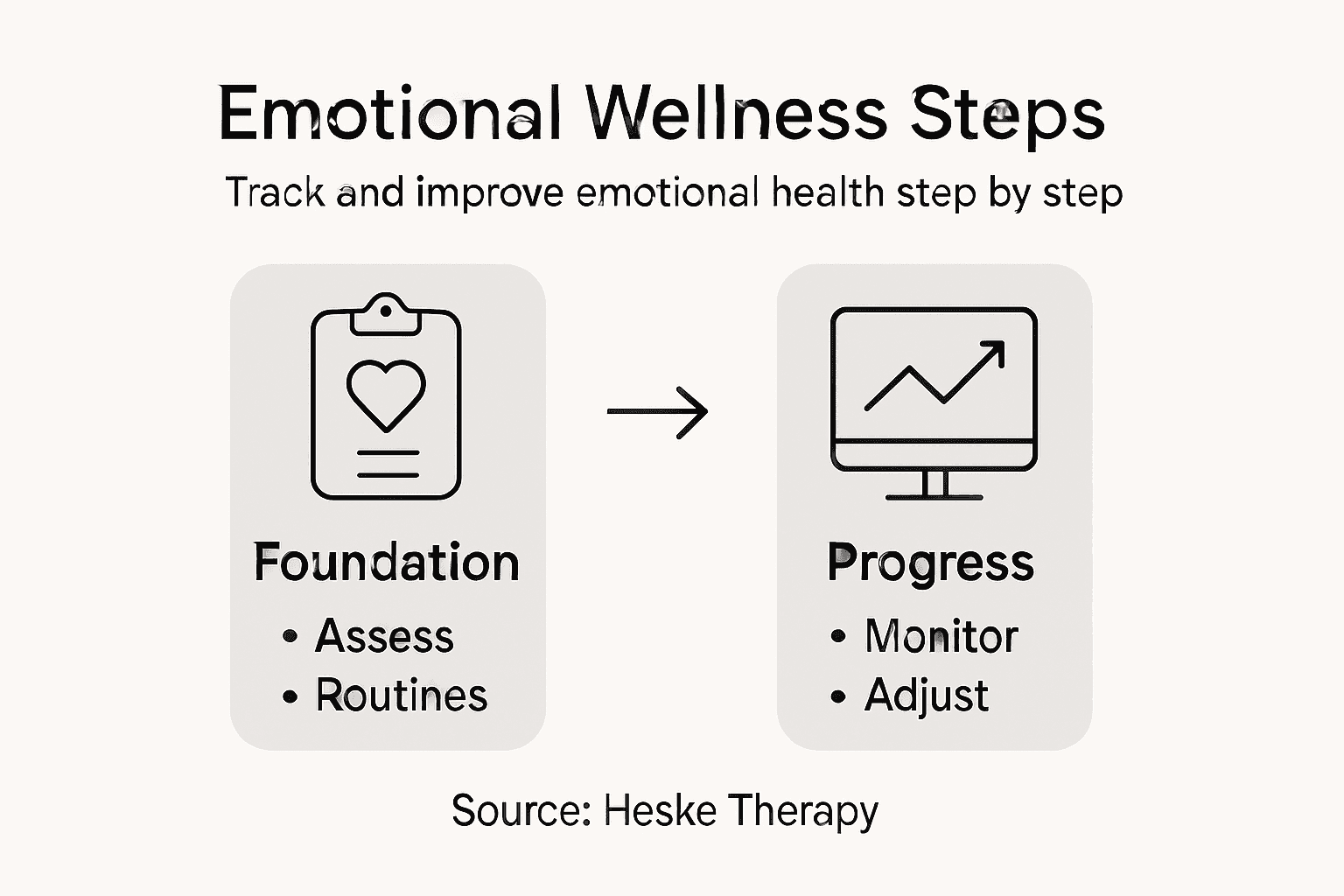
Pro tip: Create a simple scoring system for your emotional states, using a 1-10 scale to objectively track your progress and identify areas needing additional support.
Step 5: Validate emotional wellness outcomes
Validating your emotional wellness requires a systematic approach that transforms subjective experiences into measurable insights. This critical step helps you objectively assess your progress and understand the tangible impact of your emotional healing journey.
Develop a comprehensive validation strategy through these key methods:
Create quantitative emotional tracking metrics: Establish numerical ratings for emotional states
Use standardized assessment tools: Implement validated psychological wellness questionnaires
Gather multi-perspective feedback: Collect insights from therapists, trusted friends, and self-reflection
Research demonstrates robust emotional wellness measurement techniques that provide scientifically grounded approaches to understanding emotional progress.
Validation is not about perfection, but about understanding your unique emotional landscape.
Implement a holistic assessment framework that combines quantitative metrics with qualitative insights. This might include periodic therapy evaluations, personal reflection journals, and structured emotional wellness surveys.
Below is a summary of emotional wellness measurement tools and what they assess:
Assessment Tool | Focus Area | Who Uses It | Sample Output |
Emotional Wellness Questionnaire | Overall emotional health | Therapists, individuals | Wellness score, feedback |
Mood Tracking App | Daily emotional states | Individuals | Mood trends, patterns |
Therapy Progress Survey | Session improvement level | Therapists | Progress graphs |
Self-Reflection Journal | Personal insights | Individuals | Insight notes |
Pro tip: Design a personal emotional wellness dashboard that tracks key indicators, allowing you to visualize your progress and identify areas of growth with clarity and compassion.
Take Control of Your Emotional Wellness Journey Today
If you are ready to move beyond simply assessing your emotional needs and want to build lasting balance with expert guidance, Heske Therapy in Madrid offers the personalized support you need. Our integrative therapy methods combine proven techniques such as EMDR, CBT, and hypnotherapy to address anxiety, trauma, burnout, and emotional blocks effectively. We understand the unique challenges faced by expatriates and international clients and tailor treatment plans designed for rapid and sustainable emotional transformation.
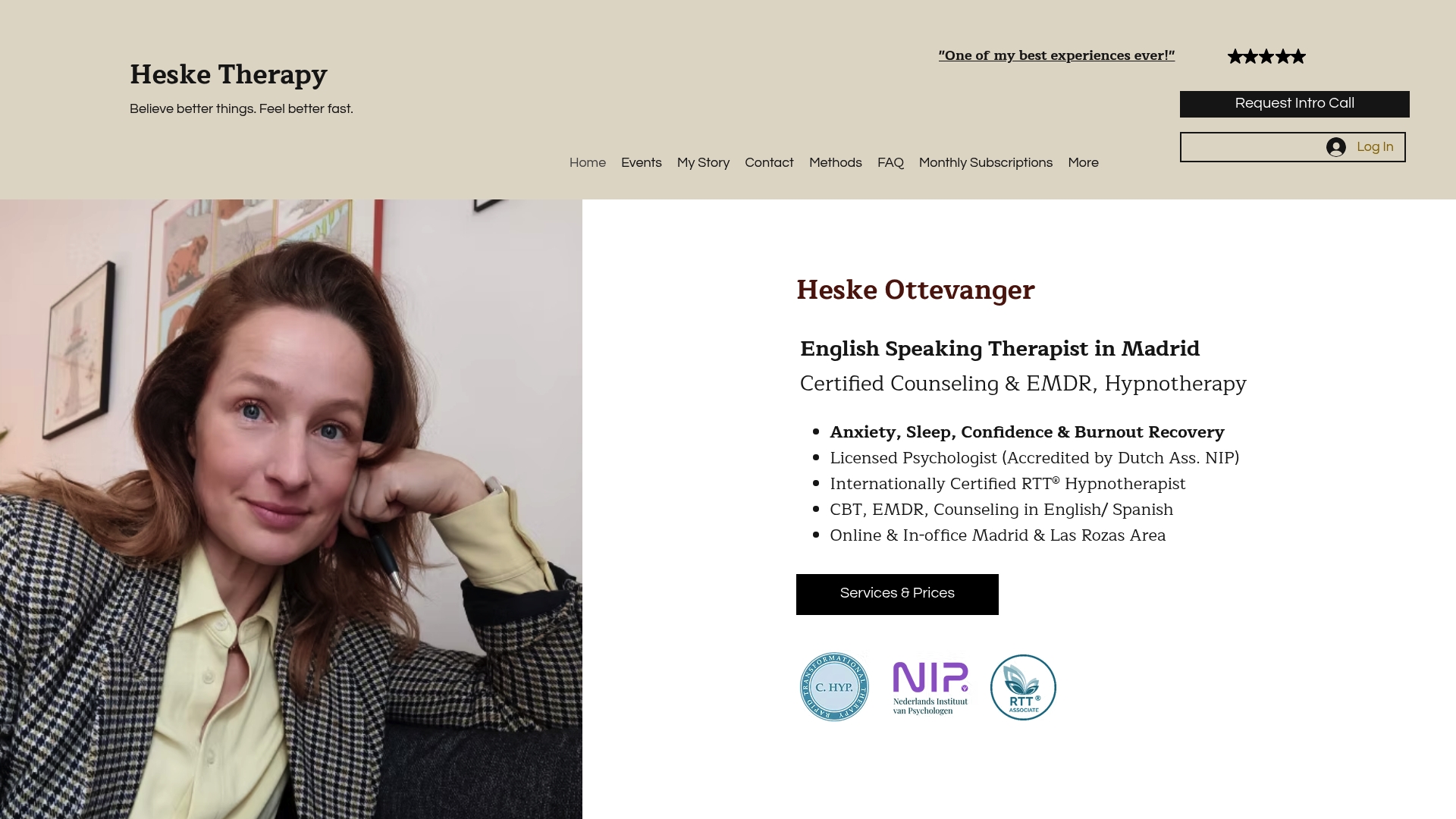
Don’t wait to turn your emotional wellness goals into reality. Start with a free discovery call at Heske Therapy and discover how structured routines and advanced therapy techniques can create the lasting impact you deserve. Explore our personalized approach by visiting Heske Therapy now and take the next step toward emotional balance that lasts.
Frequently Asked Questions
How can I effectively assess my emotional needs?
Begin by taking time for honest self-reflection to recognize your current emotional state. Keep an emotional journal to track your feelings and identify triggers over time, focusing on patterns within a few weeks.
What daily routines can support my emotional wellness?
To build emotional wellness, create consistent morning and evening rituals that ground you. Schedule time for self-care and prioritize a regular sleep pattern to enhance emotional stability.
What are some examples of integrative therapy techniques?
Integrative therapy may include methods such as Cognitive Behavioral Therapy (CBT) or mindfulness practices. Identify your emotional challenges and explore different therapeutic techniques with a professional to design a personalized healing plan.
How do I monitor my progress in emotional wellness?
Maintain a detailed emotional journal that documents your daily experiences, and schedule regular self-check-ins to evaluate your feelings. Use a simple scoring system, like rating your emotional state on a scale of 1-10, to visualize your progress.
What is the best way to validate my emotional wellness outcomes?
To validate your emotional wellness, create quantitative metrics for your feelings and employ standardized assessment tools. Combine these measurements with qualitative insights from your self-reflection to assess your journey holistically.
Recommended
Comments