Examples of rapid transformational therapy uses for anxiety

Living abroad in Madrid brings incredible opportunities, but many expats struggle with anxiety, trauma, or burnout that traditional therapy takes months to address. You need solutions that work quickly without compromising depth or lasting change. Rapid Transformational Therapy (RTT) offers an innovative approach that combines hypnotherapy, cognitive behavioral techniques, and neuroscience to deliver permanent results in 1-3 sessions. This article explores real RTT applications, compares it to other treatments, and helps you determine if this rapid method suits your mental health needs as an expat navigating life in a new culture.
Table of Contents
Key takeaways
Point | Details |
Speed of results | RTT typically resolves issues within one to three sessions compared to months of traditional therapy. |
Integrated approach | Combines hypnotherapy, CBT, NLP, and neuroscience for comprehensive subconscious rewiring. |
Primary applications | Effectively treats anxiety, trauma, burnout, low self-esteem, and addictions through root cause work. |
Regression technique | Uses guided regression and cognitive deconstruction to identify and reframe limiting beliefs. |
Reinforcement method | Includes personalized audio recordings to strengthen new neural pathways and maintain change. |
How to evaluate rapid transformational therapy for your needs
Before committing to any therapy, you need clear criteria to assess whether RTT matches your specific mental health challenges. The speed factor alone makes RTT appealing, but understanding your situation ensures you make an informed choice.
Consider how quickly you need results. RTT resolves most issues within 1-3 sessions, making it ideal when you face time-sensitive stressors like work deadlines, relationship challenges, or upcoming life transitions. Traditional talk therapy often requires six months or longer to achieve similar outcomes. If you’re dealing with acute anxiety before a major presentation or persistent burnout affecting your daily functioning, RTT’s rapid timeline offers practical advantages.
Identify your primary concerns with precision. RTT excels at addressing specific issues like performance anxiety, imposter syndrome, fear of public speaking, sleep disturbances, or stress-related physical symptoms. The therapy works by accessing your subconscious mind to locate the root cause of these patterns, then rewiring the neural pathways that maintain them. You’ll find RTT particularly effective for clearly defined problems rather than vague dissatisfaction.
Examine the therapeutic methods involved. RTT integrates multiple evidence-based approaches into one comprehensive session. You experience guided hypnotherapy to access subconscious memories, cognitive behavioral techniques to challenge distorted thinking, neuro-linguistic programming to reframe language patterns, and neuroscience principles to create lasting brain changes. This hybrid model means you benefit from several therapeutic schools simultaneously.
Verify your therapist’s credentials carefully. Look for practitioners with official RTT certification from Marisa Peer’s training program, plus additional qualifications in psychology, counseling, or clinical hypnotherapy. Experience matters significantly because skilled therapists navigate complex emotions and resistance more effectively during sessions.
Pro Tip: Assess your comfort level with hypnotherapy before booking. RTT requires you to enter a relaxed, focused state where you remain fully aware but highly receptive to suggestion. If you feel skeptical about hypnosis or prefer purely cognitive approaches, discuss these concerns with your therapist beforehand to ensure the method aligns with your preferences.
Five common examples of rapid transformational therapy uses
Understanding specific RTT applications helps you visualize how this therapy addresses real mental health challenges expats face. These examples demonstrate the breadth and depth of issues RTT can resolve rapidly.
Overcoming anxiety disorders and panic attacks. RTT practitioners guide you into a hypnotic state to identify the origin of your anxiety response. You might discover that a childhood experience of feeling unsafe created a pattern where your nervous system overreacts to perceived threats. The therapist helps you reframe this memory, showing your adult self that you now possess resources and capabilities your younger self lacked. This cognitive deconstruction eliminates the subconscious trigger, often relieving anxiety symptoms within one session.
Healing trauma and PTSD symptoms. Through regression techniques, RTT accesses traumatic memories stored in your subconscious without requiring you to relive the pain consciously. The therapist guides you to view these events from a safe distance, understanding what happened and why, then installing new beliefs that separate past trauma from present reality. This process helps your brain recognize that the danger has passed, reducing flashbacks, hypervigilance, and emotional reactivity.
Combating burnout and chronic stress. Burnout often stems from deeply held beliefs about your worth being tied to productivity or perfectionism. RTT uncovers where you learned these limiting patterns, perhaps from parental expectations or early academic pressure. By releasing these subconscious drivers, you create space for healthier work-life boundaries and self-compassion. The therapy identifies root causes that perpetuate stress cycles, allowing you to break free from exhaustion patterns.
Improving self-esteem and confidence. Low self-esteem typically originates from specific moments when you internalized negative messages about your value or capabilities. RTT locates these formative experiences, then rewrites the narrative your subconscious has been replaying for years. You receive personalized audio recordings reinforcing your inherent worth and strengths, which you listen to daily for 21 days to cement new neural pathways.
Breaking addictions and compulsive behaviors. Whether you struggle with alcohol dependence, emotional eating, or behavioral addictions, RTT addresses the underlying emotional need driving the compulsion. The therapy combines hypnotherapy, NLP, CBT, and neuroscience to identify what you’re truly seeking through the addictive behavior, then installs healthier coping mechanisms directly into your subconscious programming.
Pro Tip: RTT works best when you approach it with specific goals rather than general improvement desires. Instead of wanting to “feel better overall,” target concrete outcomes like “eliminate panic attacks in social situations” or “stop procrastinating on important projects.” This specificity allows your therapist to design precise interventions that deliver measurable results.
Comparing rapid transformational therapy to other mental health treatments
Choosing between therapy modalities requires understanding how RTT differs from established approaches in methodology, timeframe, and suitability for various conditions.
RTT achieves results faster than most therapeutic approaches because it works directly with your subconscious mind rather than relying solely on conscious insight and behavioral modification. Traditional cognitive behavioral therapy typically requires 12-20 weekly sessions to achieve lasting change, while psychodynamic therapy often extends over years. RTT condenses this timeline by accessing the root cause immediately through hypnotherapy, then rewiring the associated beliefs in one intensive session.
The methodological differences significantly impact your experience. CBT teaches you to recognize and challenge distorted thoughts through homework assignments, journaling, and gradual exposure to feared situations. This conscious, systematic approach builds skills over time. RTT bypasses conscious resistance by speaking directly to your subconscious mind, where automatic patterns live. You don’t need to practice new behaviors consciously because the therapy installs them at a deeper level.
Therapy Type | Average Sessions | Primary Method | Best For |
RTT | 1-3 sessions | Hypnotherapy, regression, subconscious rewiring | Specific phobias, anxiety, burnout, self-esteem issues |
CBT | 12-20 sessions | Cognitive restructuring, behavioral experiments | Depression, anxiety disorders, OCD |
EMDR | 6-12 sessions | Bilateral stimulation, memory reprocessing | PTSD, single-incident trauma |
Psychodynamic | 6 months to years | Free association, transference analysis | Complex personality issues, relationship patterns |
Traditional counseling | Ongoing | Talk therapy, emotional support | General life stress, grief, adjustment issues |
Trauma-focused therapies present interesting comparisons. EMDR (Eye Movement Desensitization and Reprocessing) shares RTT’s goal of reprocessing traumatic memories but uses bilateral eye movements rather than hypnotherapy. Both approaches work faster than talk therapy alone. However, RTT might not suit extensive trauma requiring longer resolution periods, particularly complex PTSD from prolonged abuse or multiple traumatic events. In such cases, trauma-informed therapists often recommend combining approaches or extending treatment duration.
For expats specifically, RTT offers advantages in addressing culture shock, identity confusion, and adjustment stress. These issues often stem from subconscious beliefs about belonging, safety, or competence that formed in your home culture. RTT can quickly identify and update these outdated programs, helping you adapt to Madrid life without years of processing. You can explore how CBT compares to RTT for trauma to understand which approach fits your situation.
The session intensity differs markedly. RTT sessions last 90-120 minutes compared to traditional 50-minute therapy hours. This extended timeframe allows deeper exploration and complete resolution within one appointment. You leave with a personalized audio recording to reinforce the work, which you commit to listening to daily for three weeks. This post-session component distinguishes RTT from other brief therapies.
Pro Tip: If you’ve tried traditional therapy without success, RTT offers a fundamentally different approach that might break through resistance. However, if you prefer building therapeutic skills gradually or need ongoing emotional support, longer-term modalities provide more continuous care and relationship-building with your therapist.
When to choose rapid transformational therapy: expert tips for Madrid expats
Making an informed decision about RTT requires understanding both its strengths and limitations within your specific context as an expat navigating mental health challenges in Madrid.
Commit fully to the post-session audio protocol. Your therapist creates a customized recording addressing your specific issue, which you must listen to daily for 21 consecutive days. This repetition strengthens new neural pathways and embeds the changes made during your session. Consistency significantly impacts RTT success, so assess whether you can maintain this daily practice before starting. Skipping days undermines the neuroplasticity process that makes results permanent.
Choose RTT when you face clearly defined problems with identifiable triggers. The therapy excels at resolving specific anxieties, phobias, limiting beliefs, or behavioral patterns. You’ll achieve better outcomes targeting “fear of speaking Spanish in professional settings” rather than “general unhappiness with expat life.” RTT works by locating the root cause of specific symptoms, so vague or multifaceted concerns may require broader therapeutic approaches.
Verify your therapist’s credentials thoroughly. Look beyond basic RTT certification to examine their background in psychology, counseling, or clinical practice. Marisa Peer’s reputation adds credibility to the method, but individual practitioner skill varies significantly. Ask about their experience with expat clients, cultural competence, and specific expertise in your presenting issue. A qualified therapist will offer a free consultation to assess fit before you commit financially.
Understand RTT’s scope realistically. While the therapy produces rapid results for many issues, it doesn’t replace long-term psychological support for complex conditions. Severe depression, bipolar disorder, schizophrenia, or personality disorders require ongoing psychiatric care and medication management. RTT can complement these treatments but shouldn’t substitute for comprehensive mental health care. Similarly, if you’ve experienced prolonged trauma or multiple traumatic events, you might benefit more from extended trauma therapy that allows gradual processing.
Maintain realistic expectations about transformation pace. Most clients report noticeable improvements within days of their RTT session, with continued progress over the following weeks as the audio reinforcement takes effect. However, you won’t wake up the next day completely transformed. The changes unfold as your brain integrates new neural pathways and your behavior naturally aligns with updated subconscious programming. Some people experience immediate dramatic shifts, while others notice gradual, steady improvement.
“RTT gave me tools to address anxiety I’d carried for years. The session itself felt intense but safe, and listening to my personalized audio daily helped me internalize the changes. Within two weeks, I noticed I wasn’t catastrophizing about work situations anymore. The speed surprised me after years of traditional therapy that helped but never quite resolved the core issue.” Madrid expat client testimonial
Pro Tip: Schedule your RTT session when you have minimal stress and can dedicate mental energy to integration. Avoid booking immediately before major life events, international travel, or high-pressure work periods. You’ll benefit most when you can focus on listening to your audio recording daily and processing the insights that emerge as your subconscious rewiring takes effect.
For expats dealing with adjustment stress, RTT addresses the subconscious beliefs about safety, belonging, and identity that make settling into Madrid challenging. You might discover that childhood experiences of being an outsider created patterns where you expect rejection, which RTT can reframe. The therapy helps you separate past experiences from present reality, allowing you to build genuine connections in your new home. Learn more about maximizing RTT success through proper preparation and follow-through.

Explore RTT therapy options with Heske Therapy in Madrid
Now that you understand how RTT works and when it delivers optimal results, you can take practical steps toward addressing your anxiety, trauma, or burnout with professional support tailored to expats.
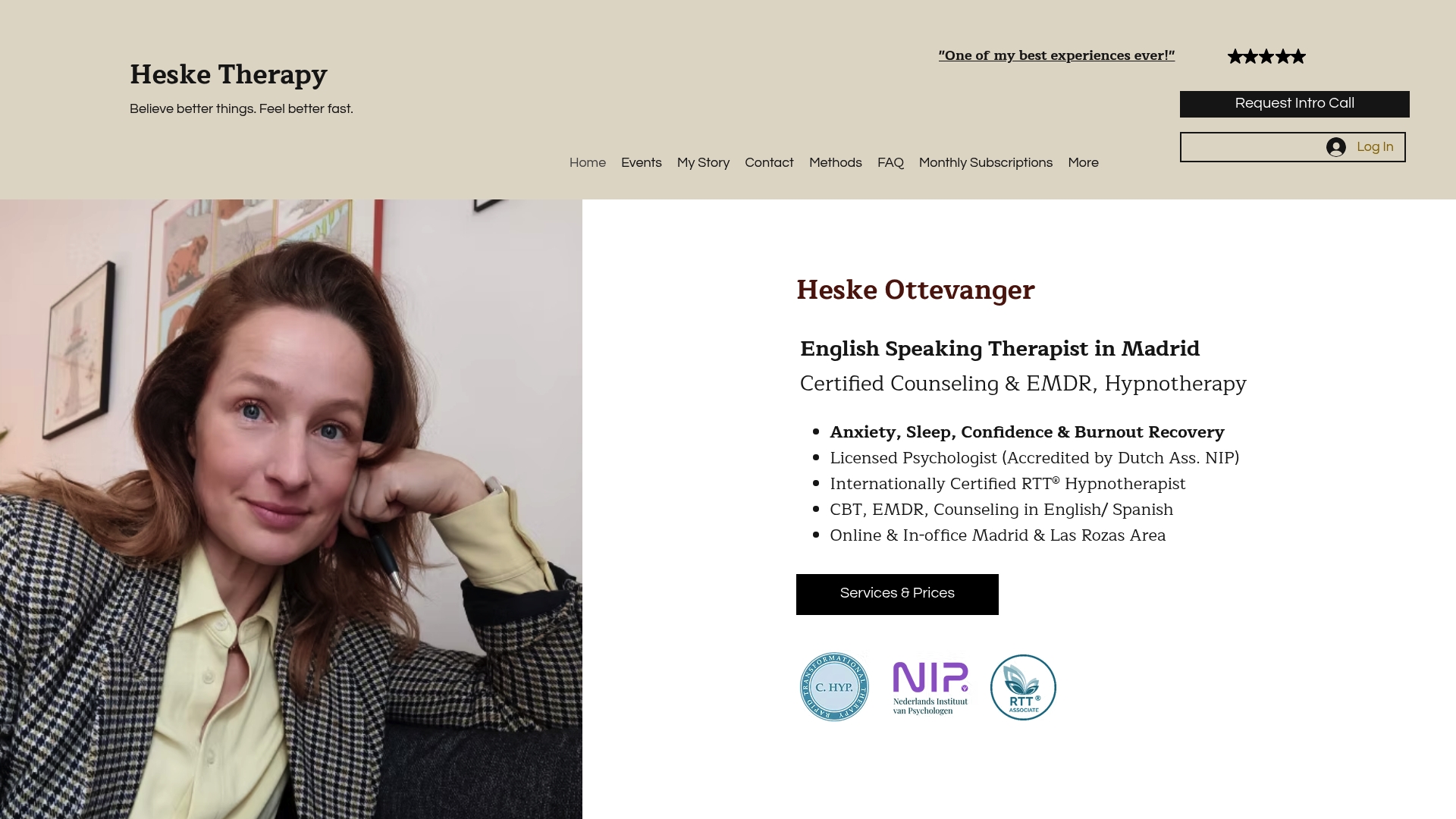
Heske Therapy specializes in Rapid Transformational Therapy designed specifically for English-speaking expats navigating mental health challenges in Madrid. The practice offers certified RTT sessions that address your unique concerns, whether you’re struggling with culture shock, performance anxiety, relationship stress, or lingering trauma. You’ll work with experienced therapists who understand the specific pressures expats face and can conduct sessions in English, Spanish, or Dutch.
Flexible scheduling accommodates your busy expat lifestyle. Book online counseling sessions from anywhere in Madrid or access face-to-face appointments at the clinic. If you’re ready for intensive transformation, explore the 21-day RTT package that combines an in-depth session with structured follow-up support to maximize your results and ensure lasting change.
Frequently asked questions about rapid transformational therapy uses
How many RTT sessions are typically needed for lasting change?
Most clients achieve permanent change with one to three RTT sessions, depending on issue complexity. Single-issue concerns like specific phobias or performance anxiety often resolve in one intensive session. Multiple related issues or deeply rooted patterns may require two to three sessions spaced weeks apart to address different aspects thoroughly.
Can RTT treat complex trauma or is it better for anxiety and burnout?
RTT effectively addresses single-incident trauma and moderate PTSD symptoms through regression and reframing techniques. However, complex trauma from prolonged abuse or multiple traumatic events may require longer-term trauma-focused therapy that allows gradual processing. Your therapist will assess your history during consultation to determine if RTT suits your specific trauma presentation or if combined approaches would serve you better.
What role do personalized audio recordings play in RTT treatment?
The customized audio recording reinforces subconscious changes made during your session by repeating new beliefs and affirmations while you’re in a relaxed state. Listening daily for 21 consecutive days strengthens new neural pathways through neuroplasticity, making the transformation permanent. This recording essentially continues the therapeutic work between sessions, embedding changes deeper into your subconscious programming.
Is RTT suitable for expats dealing with culture-related stress?
RTT addresses the subconscious beliefs about belonging, safety, and identity that make cultural adjustment challenging. The therapy helps you identify where feelings of being an outsider originated, then rewires these patterns so you can build authentic connections in Madrid. Many expats find RTT particularly effective for imposter syndrome, language anxiety, and the identity confusion that comes with living between cultures.
How quickly can someone expect to feel relief after RTT?
Most people notice initial improvements within days of their RTT session, with continued progress over the following three weeks as daily audio listening reinforces changes. Some clients experience immediate dramatic shifts in symptoms, while others observe gradual, steady improvement as new neural pathways strengthen. The timeline varies based on issue complexity, your commitment to the audio protocol, and how quickly your brain integrates new subconscious programming.
Does RTT work if I’m skeptical about hypnotherapy?
Skepticism doesn’t prevent RTT from working because hypnotherapy doesn’t require belief to access your subconscious mind. You remain fully conscious and in control throughout the session, simply in a deeply relaxed, focused state. However, RTT effectiveness improves when you approach it with openness and willingness to explore subconscious patterns. Discuss any concerns with your therapist beforehand so they can address misconceptions and help you feel comfortable with the process.
Recommended
Comments