Guide to Coping with Stress: A Practical Action Plan

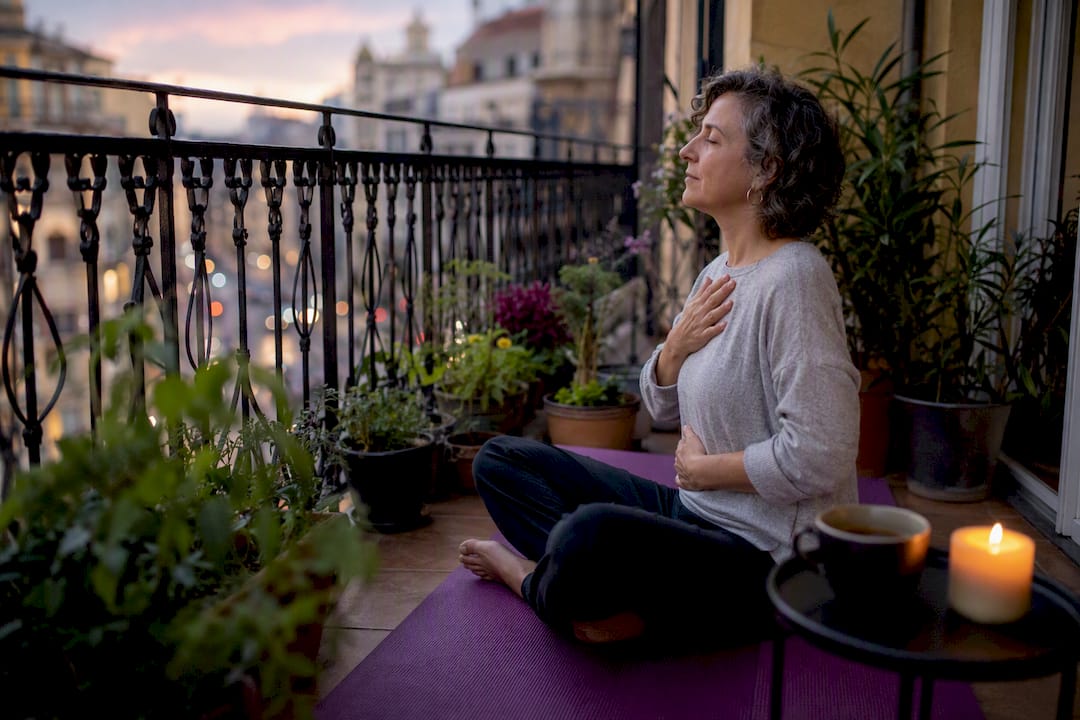
The fastest way to lower stress today is a three-step toolkit: one immediate relief technique, one daily habit that lowers your baseline stress, and one mental skill you practice on purpose. This is not a theory. It is a starting sequence anyone can use within minutes, and it works because each piece targets a different layer of the stress response.
Your 3-step plan:
Relieve it now: try paced breathing or a 3-3-3 grounding exercise (30 seconds to 10 minutes).
Lower your baseline today: protect sleep or fit in movement, even briefly.
Build the skill: practice one CBT or mindfulness exercise so it’s ready when you need it.
The numbers behind this: adults need 7 to 9 hours of sleep for emotional resilience, 30 minutes of activity most days measurably reduces tension, and structured mindfulness programs carry randomized trial evidence of real physiological change.
Key Takeaways
A short, evidence-based toolkit combining one immediate technique, one daily habit, and one practiced mental skill reduces stress faster than any single strategy alone.
Point | Details |
Start with the 3-step plan | Use one quick relief technique, one daily habit, and one mental skill together, not separately. |
Sleep and exercise anchor your baseline | Aim for 7 to 9 hours of sleep and 30 minutes of activity most days. |
Mindfulness takes weeks, not minutes | Structured programs like an eight-week MBSR curriculum need consistent practice to work. |
Watch for red flags | Declining function, persistent insomnia, or self-harm thoughts mean it’s time for professional care. |
Hesketherapy offers a personalized pathway | Licensed, multilingual therapy in Madrid, online or in-office, with a free discovery call to start. |
Table of Contents
What Stress Is and Why It Matters for Your Health
Stress is your body’s alarm system. It floods you with cortisol and adrenaline to help you react fast, and that response is useful in short bursts. The problem starts when the alarm never shuts off.
You’ll usually notice stress across four channels:
Physical: headaches, tight muscles, fatigue, stomach trouble
Cognitive: racing thoughts, trouble concentrating, forgetfulness
Emotional: irritability, feeling overwhelmed, low mood
Behavioral: changes in appetite, sleep disruption, withdrawing from people
Quick fact: Chronic, unmanaged stress is linked to elevated risk for heart disease, digestive issues, and impaired immune function, according to Harvard Health. Short-term stress rarely causes lasting harm. It’s the ongoing kind that wears the body down.
Fast Techniques That Lower Stress in Minutes
When stress hits hard, you need something you can do immediately, not a lifestyle overhaul. A handful of techniques have solid track records for fast relief: paced breathing, grounding, progressive muscle relaxation, and a brief walk.
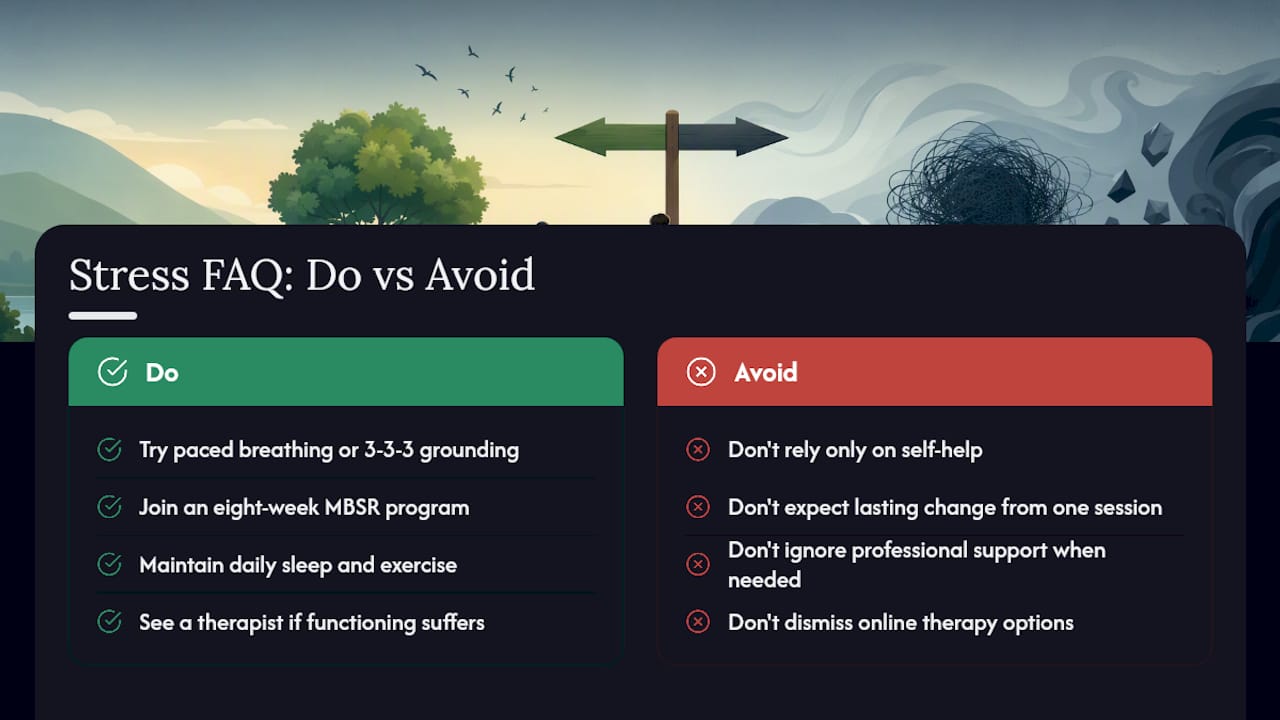
Grounding (30 seconds): Name three things you see, three sounds you hear, then move three parts of your body. This is the classic 3-3-3 rule, and it works by pulling your attention out of your head and into the room around you.
Paced breathing (1 to 3 minutes): Inhale for four counts, hold for four, exhale for six. The longer exhale signals your nervous system to downshift.
Progressive muscle relaxation (5 to 10 minutes): Tense and release each muscle group, starting at your feet and working up. It teaches your body what “relaxed” actually feels like.
Brisk walk (5 to 10 minutes): Movement burns off excess adrenaline faster than sitting with it.
Pro Tip: Grounding works even in a meeting or a checkout line. Do it silently: name the items you can see without moving your eyes, and no one will notice you’re doing anything at all.
Daily Habits That Lower Your Baseline Stress
Quick techniques manage a spike. Daily habits determine how high your baseline runs in the first place. Three habits carry the most weight: sleep, movement, and regular social contact.
Sleep 7 to 9 hours. MedlinePlus links chronic sleep loss to impaired cortisol regulation, meaning a tired body handles stress worse, not better.
Move for 30 minutes most days. MedlinePlus notes that regular activity releases mood-improving brain chemicals and lowers physiological tension over time.
Protect social time. Even brief, regular contact with people you trust buffers stress hormones.
Evidence callout: Sleep and exercise aren’t wellness extras. They directly shape how much cortisol your body produces and how quickly it clears.
Build these in small: a fixed wind-down routine before bed, a 10-minute walk after lunch, and one recurring social plan per week beats an ambitious plan you abandon by Thursday. A step-by-step approach to anxiety relief can help you sequence these changes without burning out on all of them at once.
Mental Skills: CBT, Mindfulness, and Acceptance
Three mental tools do most of the heavy lifting: cognitive reframing (a CBT technique), mindfulness training, and acceptance-based problem-solving. Reframing works best for a specific stressful thought. Mindfulness works best for generalized, background anxiety. Acceptance helps when the stressor is genuinely outside your control.
Try this CBT micro-exercise, which takes 5 to 10 minutes:
Identify the thought: write down exactly what you’re telling yourself (“I’m going to fail this”).
Check the evidence: what actually supports that, and what contradicts it?
Build an alternative thought: something more accurate, even if it’s not fully reassuring.
Take one small action based on the new thought.
Timeline callout: Grounding and breathing work in minutes. Mindfulness, by contrast, is a trained skill. An eight-week MBSR program is the standard structure clinicians use because lasting change from mindfulness takes repeated practice, not one good session.
A CBT-based technique guide walks through more reframing exercises if this one resonates.
When Stress Needs Professional Care
Self-help tools handle a lot. They don’t handle everything, and knowing the difference matters.
Watch for these red flags:
Your work, sleep, or relationships are visibly declining
Insomnia persists for weeks despite good sleep habits
You’re having thoughts of self-harm
Physical conditions (migraines, IBS, chest tightness) are worsening
Nothing on this list is moving the needle after real effort
If you’re evaluating a therapist, ask these five questions:
What’s your specialty, and have you worked with stress-related cases like mine?
What’s a realistic timeline for noticing change?
What modalities do you use (CBT, EMDR, hypnotherapy)?
Do you offer in-person, online, or both?
What’s the fee structure and expected commitment?
Options range from talk therapy to structured programs to a referral for medication support. A staged burnout recovery process shows what escalation typically looks like when self-help stalls.
What a Therapy-First Approach Looks Like in Practice
A therapy-first pathway usually runs in three stages: an initial assessment, short-term skill-building, and either maintenance or deeper specialized work if trauma or chronic patterns are involved.
The first session typically covers your history, current triggers, and specific goals, and ends with an immediate coping plan you can use before the next appointment. Most clients see initial progress within several therapy sessions over a few weeks to months, though deeper trauma work runs longer.
Sessions available online or in-office
Multilingual support for expats navigating care in a new country
Integrative methods, including RTT, EMDR, CBT, and hypnotherapy, matched to what you actually need
What I’ve Seen Work, and What Doesn’t
Most people improve faster than they expect once they stop treating stress management as an all-or-nothing project. You don’t need to master every technique at once, and learning about personalized relaxation tailored stress relief can help you develop an individualized toolkit that suits you best.
Expect some trial and error. A breathing exercise that works for a colleague might do nothing for you, and that’s normal, not a failure. Mindfulness in particular tends to feel unproductive at first. Give it a few honest weeks before deciding it’s not for you, and reach out for professional support the moment self-help stops being enough.
Ready for Guided Support?
If you’ve tried the daily habits and mental tools here and still feel stuck, Hesketherapy offers what a self-help list can’t: a personalized plan built around your specific triggers, delivered by a licensed therapist rather than assembled from articles. A free discovery call gives you a straightforward look at what treatment could involve, with no pressure to commit on the spot.
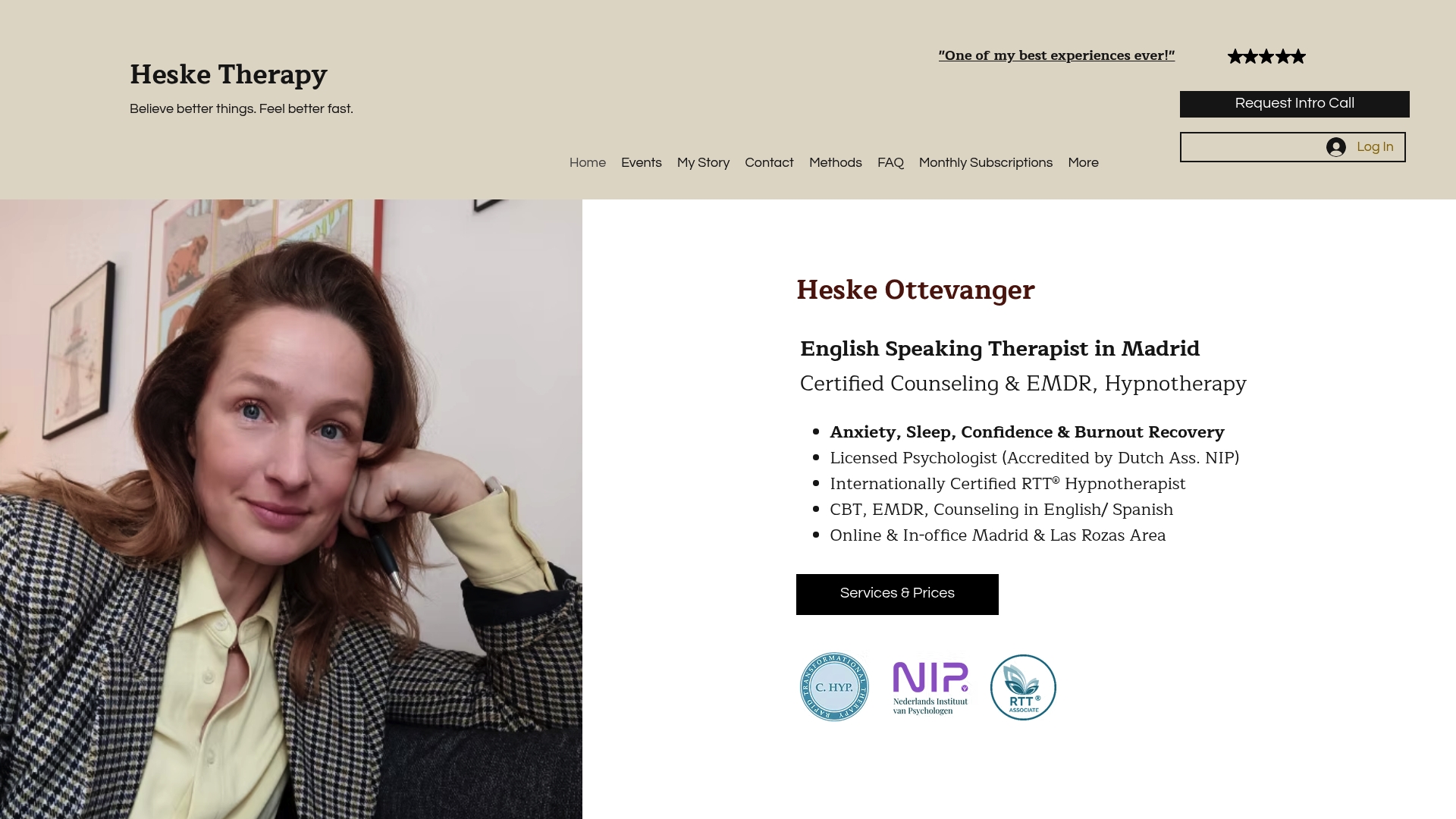
Sessions run online or in-office in Madrid, in English, Spanish, or Dutch, which matters if you’re an expat trying to explain your situation in a second language on top of everything else. Programs combine RTT, EMDR, CBT, counseling, and hypnotherapy depending on what’s driving your stress, whether that’s a demanding job, a big life transition, or symptoms like IBS and migraines that won’t resolve on their own. If you want to see whether personalized therapy fits your situation, book a free discovery call and start with an honest conversation about what’s actually going on.
Frequently Asked Questions
What is the fastest way to reduce stress in the moment? Paced breathing and the 3-3-3 grounding technique work within 30 seconds to a few minutes because they interrupt the body’s alarm response directly.
How long does it take to see results from mindfulness practice? Individual sessions can bring brief calm, but lasting change typically requires a structured program like an eight-week MBSR curriculum with consistent practice.
When should I see a therapist instead of relying on self-help? When stress starts affecting your work, relationships, sleep, or physical health, or if self-help strategies haven’t helped after honest, sustained effort.
Can daily habits really lower stress, or do I need therapy? Daily habits like sleep and exercise lower your baseline stress significantly, but they work best alongside mental skills training and, when needed, professional support.
Is online therapy as effective as in-person sessions for stress? Online sessions offer the same modalities, including CBT and EMDR, and suit people balancing schedules or living abroad without easy access to in-person care.
This article is general information, not a substitute for advice from a qualified doctor. Consult a qualified healthcare professional about your own circumstances before acting on anything here.
Sources
For more detail beyond this guide, these sources are worth your time:
Recommended
Comments