Top Methods for Overcoming Trauma: A Practical Guide


What are the most effective methods for overcoming trauma?
The top methods for overcoming trauma combine a phased clinical framework with practical coping skills, strong social support, and evidence-based professional therapy. Recovery does not follow a straight line, and no single technique works for everyone. What the research consistently shows, though, is that healing happens in layers, and the order matters.
Here is a clear overview of what works:
Phased recovery model (Safety and Stabilization, Remembrance and Mourning, Reconnection and Integration) developed by psychiatrist Judith Herman, M.D.
Emotional regulation skills such as grounding, breathing exercises, and mindfulness
Maintaining daily routines for sleep, nutrition, and movement
Social connection with trusted people and peer support groups
Gradual, safe exposure to trauma reminders rather than avoidance or forced confrontation
Evidence-based therapies including trauma-focused cognitive behavioral therapy (CBT), EMDR, and somatic approaches
Hypnotherapy and Rapid Transformational Therapy (RTT) for accessing and reprocessing deep-seated beliefs
Written exposure therapy as a shorter, structured alternative to prolonged exposure
Professional counseling to safely process grief, loss, and complex emotions
Self-help resources and support groups for community and sustained motivation
Table of Contents
Why the phased approach to trauma recovery changes everything
Psychiatrist Judith Herman, M.D. identified three overlapping phases of trauma recovery: Safety and Stabilization, Remembrance and Mourning, and Reconnection and Integration. This framework is the clinical backbone of most trauma treatment today, and understanding it protects you from one of the most common mistakes in healing.
Phase 1: Safety and Stabilization. Before any deep trauma work begins, you need to feel physically and emotionally safe. This means building coping skills, reducing crisis-level symptoms, and establishing a stable daily structure. Rushing past this phase is the most common reason people feel worse after attempting trauma processing.
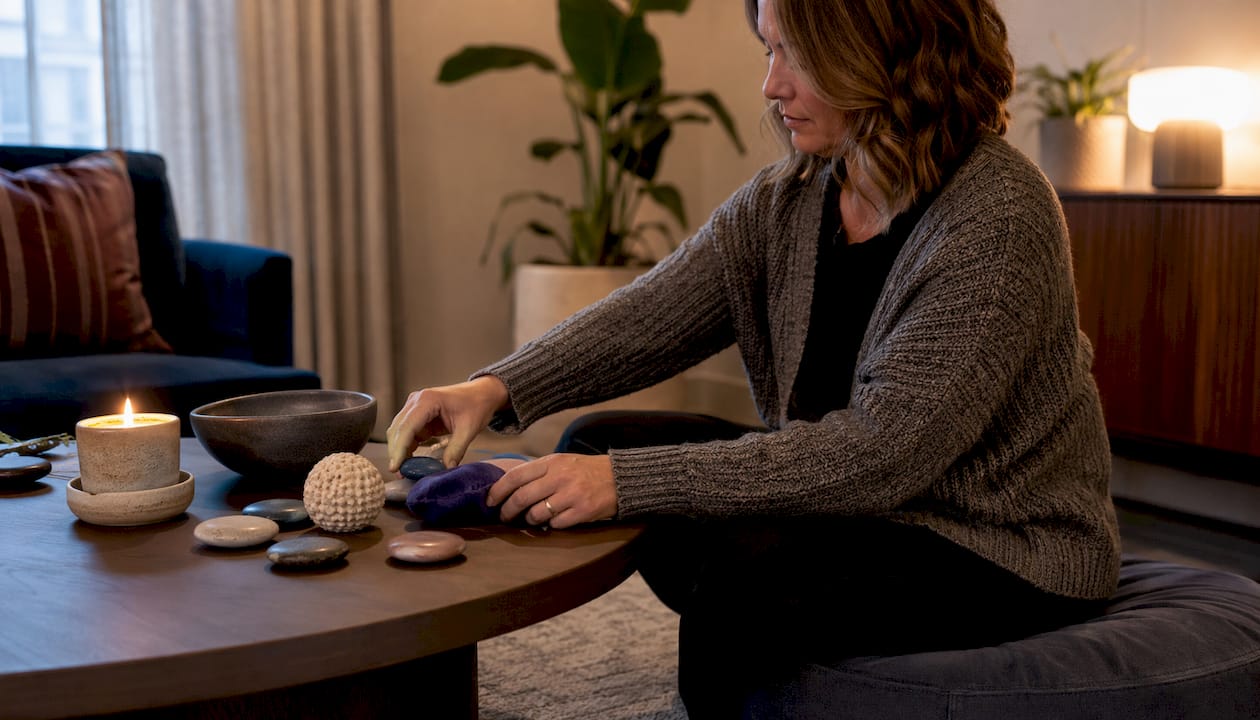
Phase 2: Remembrance and Mourning. Once you have enough internal stability, you can begin to revisit and process what happened. This phase includes grieving the losses trauma brings: loss of safety, loss of self, loss of the life you expected. Professional counseling provides a container for these complex emotions that friends and family, however well-meaning, usually cannot.
Phase 3: Reconnection and Integration. Healing does not end with processing the past. This phase is about rebuilding identity, relationships, and a sense of meaning. Many people find that post-traumatic growth becomes possible here, not despite what they went through, but because of how they worked through it.
Recovery is often non-linear. Cycling back to Phase 1 during a stressful period is not failure. It is a normal, expected part of the healing rhythm.
Practical coping strategies you can use right now
Stabilizing your nervous system in daily life is not a luxury. It is the groundwork that makes deeper healing possible. These techniques are clinically supported and accessible without a therapist’s office.
Maintain a daily routine. Predictable structure for sleep, meals, and movement restores a felt sense of safety and control after trauma disrupts everything.
Practice the 5-4-3-2-1 grounding technique. Name 5 things you see, 4 you can touch, 3 you hear, 2 you smell, and 1 you taste. This sensory grounding method regulates the nervous system physiologically.
Use mindfulness and breathing exercises. Slow, diaphragmatic breathing activates the parasympathetic nervous system and reduces acute distress.
Avoid avoidance. Gently and safely re-engaging with trauma reminders, rather than withdrawing completely, helps your nervous system relearn safety over time.
Set realistic goals. Break recovery into small, manageable steps. Pacing protects you from overwhelm and builds momentum.
Limit alcohol and substance use. Both interfere with emotional processing and disrupt sleep, two things trauma recovery depends on.
Reduce media exposure related to the traumatic event, especially in the early weeks.
Pro Tip: Practice grounding techniques during calm moments, not only during distress. Building that “muscle memory” in low-stress situations means the technique is far more accessible when you actually need it.
The step-by-step trauma healing process works best when these daily habits are in place before you attempt deeper processing. Think of them as the scaffolding, not the decoration.
How social connection accelerates healing
Trauma thrives in isolation. Social support is one of the most consistently documented protective factors in trauma recovery, reducing emotional distress and preventing symptoms from worsening.
Stay connected with trusted people. Spending time with supportive friends or family, even when it feels difficult, provides emotional regulation benefits you cannot replicate alone.
Talk about what happened. Research shows that talking about a traumatic event, rather than suppressing it, builds resilience. Avoidance of memories and feelings tends to make symptoms worse over time.
Join a peer support group. Connecting with others who have had similar experiences reduces shame and normalizes the recovery process.
Seek professional counseling when informal support is not enough. Grief in trauma encompasses losses beyond death, including lost safety, identity, and worldview. A trained therapist provides a structured, judgment-free space to process what loved ones cannot always hold.
Ask for practical help. Allowing others to assist with daily tasks during acute recovery is not weakness. It frees cognitive and emotional resources for healing.
If you are navigating trauma while living abroad or far from your support network, understanding your mental health coverage options is a practical first step before a crisis hits.
Evidence-based therapies that produce lasting results
Self-help strategies build the foundation, but professional therapy is where the deepest healing happens. The following modalities have the strongest clinical evidence for trauma treatment.
Trauma-focused CBT helps you identify and restructure the distorted beliefs trauma creates, such as “I am permanently broken” or “nowhere is safe.” It is structured, skills-based, and typically delivered over multiple sessions.
EMDR (Eye Movement Desensitization and Reprocessing) uses bilateral stimulation, often guided eye movements, to help the brain reprocess traumatic memories so they lose their emotional charge. Many people find it works faster than traditional talk therapy for specific traumatic events. You can read more about how EMDR works and how it compares to other approaches.
Written exposure therapy is a shorter, structured alternative: typically 5–6 sessions with no between-session homework, making it more accessible for people who find prolonged exposure too intense or logistically difficult.
Somatic approaches work directly with the body’s stored trauma responses, recognizing that trauma lives in the nervous system, not only in memory.
Hypnotherapy and RTT (Rapid Transformational Therapy) access subconscious patterns and beliefs that maintain trauma responses, often producing shifts that feel out of reach through purely cognitive methods.
Telemedicine delivery of trauma therapy shows outcomes comparable to in-person sessions, removing barriers like transportation, stigma, or geographic distance from qualified specialists.
Hesketherapy: personalized trauma care for wherever you are
Recovering from trauma is not a process you should have to figure out alone, especially when you are far from home.
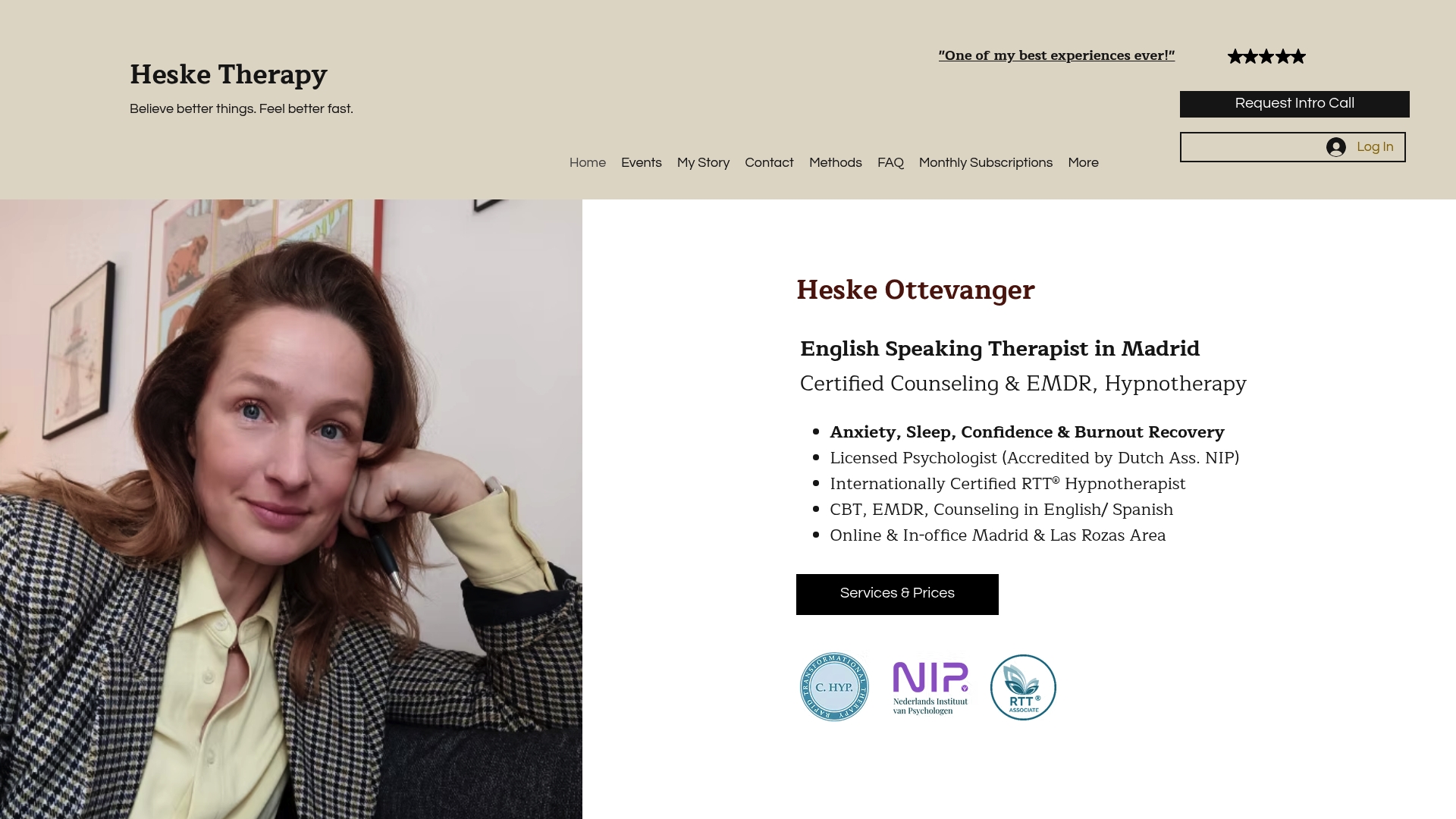
Hesketherapy offers an integrative approach that combines EMDR, CBT, hypnotherapy, and RTT in a personalized treatment plan built around your specific history, nervous system, and goals. Sessions are available online and in-office, in English, Spanish, and Dutch, making high-quality trauma care accessible whether you are in Madrid or anywhere else in the world. The focus is on real, lasting results, not indefinite weekly sessions with no clear direction. If you are ready to move from surviving to genuinely healing, book a free discovery call with Hesketherapy and take the first concrete step toward recovery.
Key Takeaways
Effective trauma recovery requires stabilization before processing, consistent daily coping habits, strong social support, and clinically validated therapy matched to your specific needs.
Point | Details |
Stabilization comes first | Building emotional regulation skills before trauma processing prevents re-traumatization and overwhelm. |
Recovery is non-linear | Cycling back to earlier phases during stress is a normal part of healing, not a sign of failure. |
Grounding works proactively | Practicing the 5-4-3-2-1 technique during calm moments builds the nervous system capacity needed during triggers. |
Written exposure therapy is efficient | Typically completed in 5–6 sessions with no homework, making it accessible for those who find prolonged exposure difficult. |
Hesketherapy offers integrative care | EMDR, CBT, RTT, and hypnotherapy combined in personalized plans, available online in English, Spanish, and Dutch. |
Recommended
Comments