What is expat counseling: rapid mental health for Spain

Many expatriates assume expat counseling is simply therapy conducted in English, but it’s far more specialized. Expat counseling helps reduce stress and uncertainty through culturally informed mental health support designed specifically for the psychological challenges of living abroad. This article explores what expat counseling truly is, the unique mental health struggles it addresses, the integrative therapies that deliver rapid results, and how you can access these services in Spain.
Table of Contents
Key takeaways
Point | Details |
Specialized mental health service | Expat counseling targets cultural adaptation, anxiety, isolation, and burnout specific to expatriates living in Spain. |
Integrative therapeutic methods | Combines RTT, EMDR, and CBT to accelerate emotional healing and provide lasting relief from expat stressors. |
Cultural and language sensitivity | Multilingual therapists fluent in English and Spanish improve communication, trust, and therapy outcomes. |
Flexible accessibility | Online and in-office sessions offer convenient, confidential support tailored to diverse expat schedules and lifestyles. |
Preventative and crisis support | Proactive counseling reduces severe anxiety risks while addressing immediate emotional distress effectively. |
Understanding expat counseling: definition and purpose
Expat counseling is a specialized form of mental health therapy designed exclusively for individuals living abroad. Unlike general therapy, it focuses on the psychological and emotional challenges unique to expatriate life, including cultural disorientation, identity shifts, and the stress of navigating unfamiliar systems. For English-speaking expatriates in Spain, this means working with therapists who understand both the clinical aspects of mental health and the cross-cultural complexities of relocation.
The primary purpose of expat counseling is to support faster adaptation to your new environment while reducing anxiety, loneliness, and burnout. Therapists create a confidential, culturally sensitive space where you can process feelings of displacement, explore identity changes, and develop practical coping strategies. This approach recognizes that your mental health challenges are not just personal but also shaped by your expat experience.
Core goals include accelerating cultural adjustment, improving emotional resilience, and helping you build meaningful connections in your host country. Specialized support for rapid mental health relief for expats addresses these needs through targeted interventions. Whether you’re struggling with homesickness, career stress, or relationship strain, expat counseling equips you with tools to thrive rather than merely survive abroad.
Key focus areas include:
Culture shock and adjustment anxiety
Social isolation and loneliness
Identity and belonging concerns
Migratory grief and loss
Career and financial stress
Family and relationship challenges
Trauma processing related to relocation
Unique mental health challenges faced by expatriates
Culture shock is one of the most common struggles expatriates encounter. It manifests as anxiety, confusion, irritability, and even depression as you adjust to new social norms, language barriers, and daily routines. The intensity varies, but even small cultural differences can accumulate into significant emotional strain over time.

Social isolation compounds these difficulties. Building a local community takes time, and many expats feel disconnected from both their home country and their new environment. This loneliness can erode your mental health, making everyday tasks feel overwhelming. Without familiar support networks, you may withdraw further, creating a cycle of isolation and emotional distress.
Family and relationship stress intensifies under relocation pressures. Spouses may struggle with career sacrifices, children face school transitions, and extended family relationships become strained by distance. These dynamics require expat-specific counseling approaches that acknowledge the systemic nature of relocation stress. Career and financial uncertainties add another layer, especially when navigating foreign job markets, visa restrictions, or income instability.
Identity crises and migratory grief affect many expatriates deeply. You may question who you are without your familiar cultural context, experiencing a profound sense of loss for the life you left behind. Expat counseling improves adjustment time and coping skills by addressing these complex emotional landscapes with specialized expertise.
Common expat-specific stressors include:
Language barriers causing frustration and miscommunication
Administrative challenges with visas, taxes, and legal systems
Loss of professional identity or status
Parenting concerns in a different educational system
Difficulty accessing familiar comforts and routines
Ambiguous loss and unresolved homesickness
Integrative therapeutic approaches in expat counseling
Rapid Transformational Therapy (RTT), Eye Movement Desensitization and Reprocessing (EMDR), and Cognitive Behavioral Therapy (CBT) are three evidence-based modalities commonly used in expat counseling. Each offers distinct benefits, but their real power emerges when integrated to address your specific needs. RTT trauma healing for expats combines hypnotherapy and neuroplasticity to uncover and reframe subconscious beliefs driving anxiety or self-doubt.
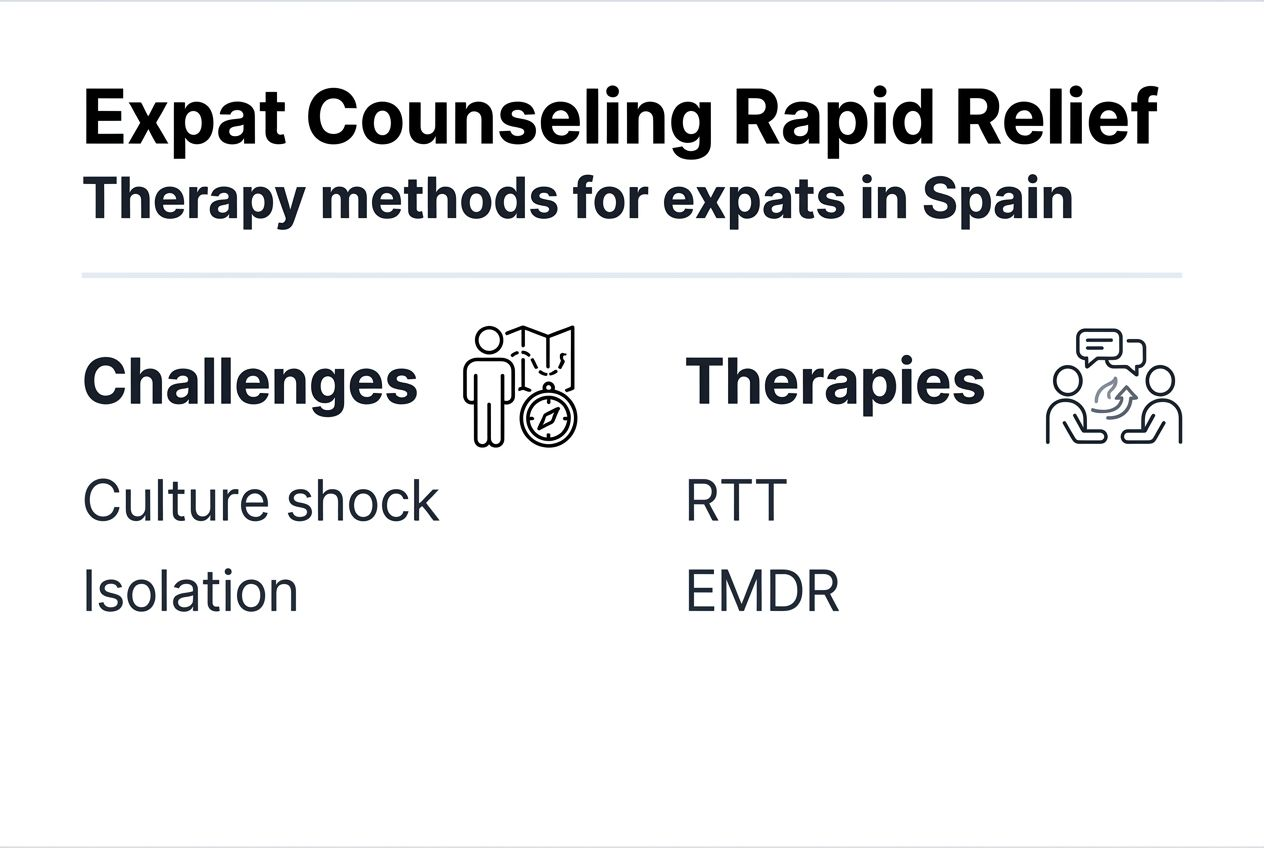
EMDR is particularly effective for processing trauma related to relocation, loss, or past experiences that resurface during cultural adjustment. It uses bilateral stimulation to help your brain reprocess distressing memories, reducing their emotional charge. CBT focuses on identifying and changing negative thought patterns that fuel anxiety, depression, or burnout, providing practical tools for daily life.
Cultural competence is essential in therapy. Therapists trained in expat issues understand how cultural contexts shape your identity, relationships, and mental health. This awareness prevents misinterpretation of symptoms and builds trust, allowing deeper therapeutic work. Combining modalities tailors treatment to your unique expat experience, whether you need rapid symptom relief or long-term resilience building.
Therapy | Speed of Results | Primary Focus | Best For |
RTT | 1-3 sessions | Subconscious reprogramming | Deep-rooted beliefs, self-esteem, rapid change |
EMDR | 3-6 sessions | Trauma processing | PTSD, relocation trauma, distressing memories |
CBT | 8-12 sessions | Thought pattern change | Anxiety, depression, practical coping strategies |
Benefits of integrative expat counseling include:
Reduced treatment duration compared to traditional therapy
Faster symptom relief for anxiety and burnout
Enhanced emotional resilience and adaptability
Personalized treatment plans addressing multiple issues simultaneously
Culturally informed interventions that honor your expat experience
Pro Tip: When selecting a therapist, ask about their training in multiple modalities and experience with expat-specific challenges to ensure you receive comprehensive, culturally informed care.
Explore rapid therapy methods for expats and integrative therapy examples to understand how these approaches work together.
Cultural sensitivity and language accommodation in therapy
Cultural sensitivity in therapy goes beyond basic awareness. It requires therapists to actively understand how your cultural background influences your emotional expression, family dynamics, and coping mechanisms. For expatriates in Spain, this means working with professionals who recognize that mental health stigma, communication styles, and help-seeking behaviors vary across cultures.
Multilingual therapists fluent in English and Spanish offer critical advantages. Language shapes how you process emotions and articulate distress, so conducting therapy in your preferred language enhances clarity and emotional safety. This accommodation reduces miscommunication and allows you to express nuanced feelings without translation barriers, deepening therapeutic connection and effectiveness.
Culturally informed counseling directly addresses identity shifts, belonging concerns, and cross-cultural stressors unique to expat life. Therapists who understand these dynamics can normalize your experiences, validate your emotions, and guide you through cultural adaptation without imposing their own cultural biases. This approach fosters trust and accelerates healing by creating a truly supportive therapeutic environment.
Therapy for international clients emphasizes these cultural and linguistic considerations as foundational to effective treatment.
Key cultural and language accommodations include:
Conducting sessions in English, Spanish, or other preferred languages
Understanding diverse cultural expressions of distress and mental health
Respecting cultural values around family, community, and individuality
Adjusting therapeutic approaches to align with cultural norms
Recognizing and addressing acculturation stress and identity conflicts
Pro Tip: During your initial consultation, explicitly discuss the therapist’s cultural competence and language skills to ensure they align with your needs and can provide truly personalized support.
Common misconceptions about expat counseling
Many expatriates believe counseling is only necessary during crises, but this overlooks its preventative value. Proactive therapy helps you navigate transitions smoothly, build resilience before problems escalate, and maintain mental wellness throughout your expat journey. Proactive counseling reduces incidence of severe anxiety by up to 35% among expatriates, demonstrating its effectiveness as a preventative measure.
Another misconception is that expat counseling is simply regular therapy delivered in English. While language matters, true expat counseling incorporates cross-cultural expertise, understanding how relocation impacts mental health in ways general therapy may not address. Therapists specializing in expat issues bring knowledge of cultural adjustment stages, migratory grief, and identity transitions that generic counseling lacks.
Some expatriates assume therapy must occur in person, limiting their options and delaying care. In reality, online counseling has become highly effective, offering flexibility for busy schedules, time zone differences, and geographic mobility. Virtual sessions eliminate barriers to access while maintaining therapeutic quality, making mental health support more attainable for expats across Spain.
Common myths versus facts:
Myth: Only severe mental health issues require counseling. Fact: Preventative therapy supports overall wellness and smoother transitions.
Myth: Expat counseling is just therapy in English. Fact: It integrates cross-cultural expertise specific to expat challenges.
Myth: Online therapy is less effective than in-person sessions. Fact: Research shows comparable outcomes with greater accessibility.
Myth: You need to be in crisis to start counseling. Fact: Early intervention reduces risks of developing severe symptoms.
Myth: Therapy is a long-term commitment. Fact: Integrative methods like RTT and EMDR often deliver results in fewer sessions.
How to access expat counseling services in Spain
Accessing expat counseling in Spain starts with deciding between online and in-office options. Online sessions offer maximum flexibility, allowing you to connect with specialized therapists regardless of your location within Spain. In-office appointments provide face-to-face interaction for those who prefer a traditional setting. Both formats deliver effective, confidential support tailored to your expat experience.
Personalized treatment plans address your specific cultural, emotional, and practical needs. During initial consultations, therapists assess your challenges, goals, and preferences to design interventions that fit your lifestyle. This customization ensures therapy aligns with your schedule, communication style, and cultural background, maximizing engagement and outcomes.
Flexible scheduling accommodates time zone differences, work commitments, and family responsibilities common among expatriates. Many therapists offer evening or weekend appointments to fit diverse lifestyles. This accessibility removes logistical barriers that might otherwise prevent you from seeking help, making mental health support a realistic priority rather than an unattainable luxury.
Selecting therapists experienced with expat challenges and multilingual capabilities is crucial. Look for professionals who specialize in cross-cultural issues, relocation stress, and integrative therapies. Online modes increase access and reduce dropout rates by 25%, demonstrating the practical benefits of flexible counseling formats.
Practical steps to start expat counseling:
Research therapists specializing in expat mental health and multilingual services
Schedule free discovery calls to assess compatibility and expertise
Clarify session formats, including online or in-office preferences
Discuss confidentiality policies and data privacy considerations
Confirm insurance coverage or payment options for international clients
Commit to an initial session to begin your personalized treatment plan
Start your expat counseling journey today
Navigating expat life in Spain doesn’t have to mean struggling alone with anxiety, burnout, or isolation. Heske Therapy specializes in providing rapid mental health solutions for English-speaking expatriates through integrative approaches like RTT, EMDR, and CBT. Our experienced multilingual therapists understand the unique challenges you face and offer personalized support to help you thrive.
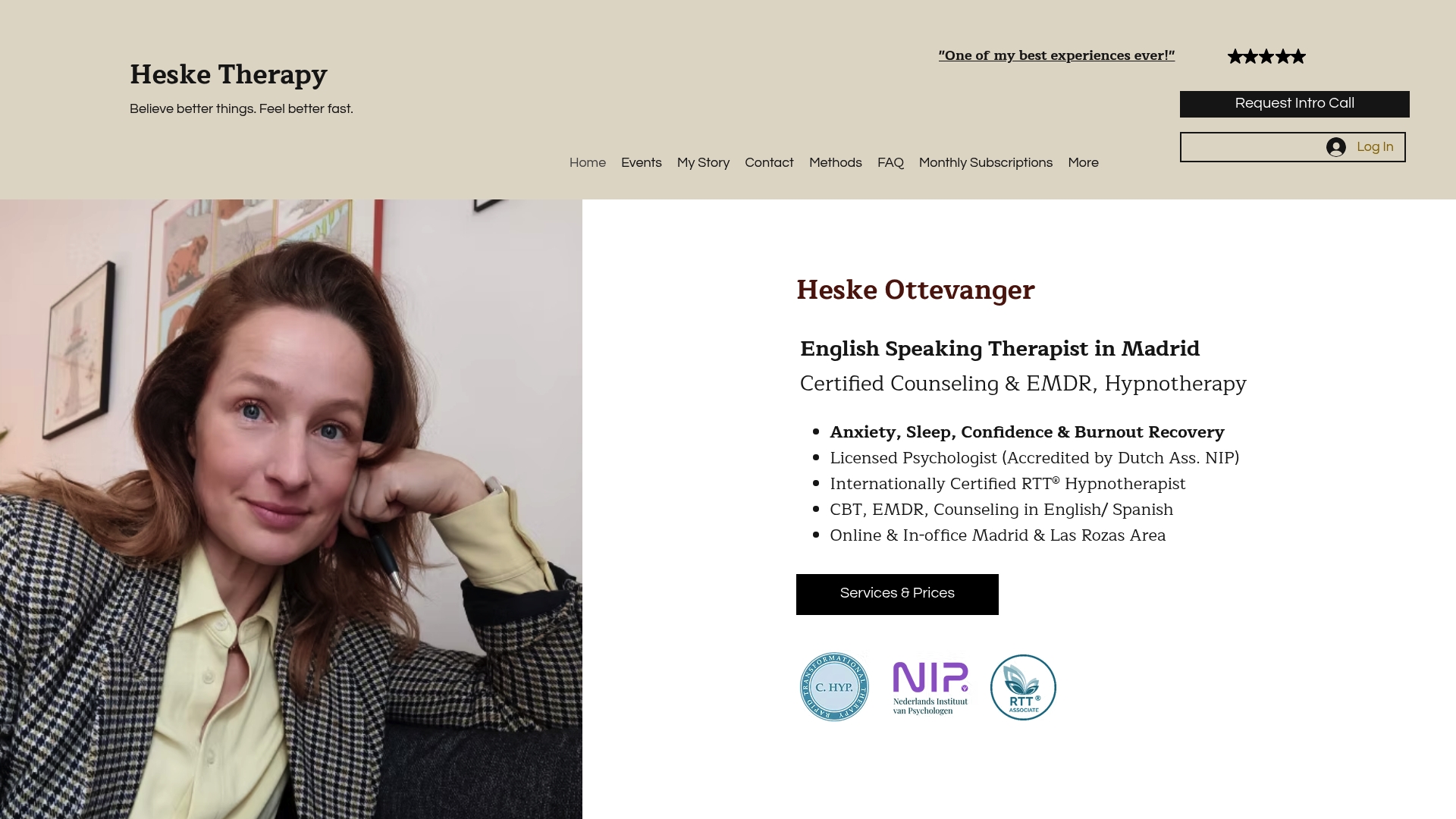
Whether you prefer online sessions from anywhere in Spain or in-person appointments in Madrid, Heske Therapy offers flexible options tailored to your needs. We provide office counseling session packs and online counseling session packs designed for convenience and continuity. Take the first step toward emotional resilience and cultural adaptation by scheduling your initial consultation today.
Frequently asked questions about expat counseling
What conditions can expat counseling help with?
Expat counseling effectively addresses anxiety, depression, burnout, culture shock, trauma, relationship stress, and identity crises related to relocation. It also supports adjustment challenges, social isolation, migratory grief, and emotional blocks impacting your daily life abroad.
Is expat counseling effective if I don’t speak Spanish well?
Absolutely. Expat counseling designed for English speakers ensures language is never a barrier to quality care. Multilingual therapists conduct sessions in your preferred language, enhancing clarity, emotional expression, and therapeutic outcomes.
Can I do expat counseling online from anywhere in Spain?
Yes. Online expat counseling provides flexible, confidential support accessible from any location in Spain. Virtual sessions eliminate travel time, accommodate diverse schedules, and maintain the same therapeutic quality as in-person appointments.
How soon can I expect to see results from expat counseling?
Integrative therapies like RTT and EMDR often deliver noticeable improvements within 1 to 6 sessions, depending on your specific concerns. CBT typically shows results within 8 to 12 sessions, with many clients reporting reduced anxiety and better coping strategies early in treatment.
Do I need to be in crisis to start counseling?
No. Expat counseling benefits anyone navigating cultural transitions, not just those in crisis. Proactive therapy prevents issues from escalating, builds resilience, and supports smoother adaptation to life in Spain, making it valuable at any stage of your expat journey.
Recommended
Comments