Personalized therapy for expats in Madrid 2026
- Heske Ottevanger
- Mar 18
- 8 min read


Many expats believe standard therapy works equally well for everyone, but this overlooks the unique cultural, emotional, and trauma-related challenges expatriates face daily. Living abroad brings isolation, language barriers, and cultural adjustment stress that generic one-size-fits-all approaches often miss entirely. Personalized therapy adapts treatment to your individual background, experiences, and specific needs, delivering superior outcomes especially for English-speaking expatriates in Madrid dealing with anxiety, trauma, and emotional challenges. This guide explores why tailored therapeutic approaches, including rapid methods like RTT and hypnotherapy, offer expats more effective, efficient solutions that fit demanding international lifestyles.
Table of Contents
Key takeaways
Point | Details |
Personalized therapy adapts to expat needs | Treatment customized for cultural background and unique stressors delivers better outcomes than generic approaches. |
Standard therapy often fails expats | One-size-fits-all methods overlook culture shock, isolation, and individual circumstances affecting expatriates. |
Rapid methods suit busy lifestyles | RTT and hypnotherapy provide efficient relief in fewer sessions, ideal for mobile expats. |
Cultural awareness reduces relapse | Therapists trained in expat mental health improve adherence and long-term success rates. |
Why standard therapy often falls short for expats
Standard therapeutic approaches fail many patients seeking relief from depression and anxiety. Research shows one-third of depression patients don’t respond to two antidepressants, and half of anxiety cases resist first-line treatments. These disappointing outcomes highlight fundamental limitations in conventional one-size-fits-all methods that assume similar symptoms require identical interventions.
Expatriates face particularly complex challenges that generic therapy protocols routinely overlook. Culture shock, language barriers, social isolation, and employment stress create layered emotional difficulties requiring nuanced understanding. When therapists lack cultural competence or fail to recognize expat-specific stressors, treatment effectiveness plummets regardless of evidence-based techniques employed.
Relocating internationally triggers unique psychological responses that standard diagnostic frameworks miss entirely. You might experience grief over lost social networks, identity confusion navigating unfamiliar cultural norms, or trauma from visa uncertainty and financial instability. Generic cognitive behavioral protocols designed for stable domestic populations cannot adequately address these multifaceted expatriate realities.
Standard therapies fail for many: 1/3 of depression patients don’t respond to two antidepressants; half of anxiety cases don’t respond to first-line treatments.
Common expat-specific mental health challenges include:
Culture shock and adjustment difficulties affecting daily functioning and emotional stability
Language barriers limiting expression of complex emotions and reducing therapeutic rapport
Social isolation from family and established support networks increasing vulnerability
Employment stress including work permit uncertainty and professional identity shifts
Trauma from relocation experiences, discrimination, or loss of familiar environments
These factors compound traditional anxiety and depression symptoms, creating clinical presentations that confuse therapists trained exclusively in monocultural settings. Without personalized assessment considering your cultural background and expatriate circumstances, treatment becomes guesswork rather than precision care. Understanding reasons expats seek therapy reveals how inadequate generic approaches truly are for international populations navigating complex cross-cultural transitions.
What is personalized therapy and how does it help expats?
Personalized therapy customizes treatment using your cultural background, personal history, genetics, brain chemistry, and lifestyle preferences rather than applying standardized protocols. This precision mental health approach matches interventions to individual characteristics, dramatically improving outcomes for patients who fail conventional first-line therapies. For expatriates, personalization means therapists actively consider how cultural norms, relocation trauma, and international lifestyle demands shape your unique mental health needs.
Precision mental health uses genetics and lifestyle to match treatments, preventing illness and improving efficacy for non-responders. Instead of trial-and-error medication adjustments or generic talk therapy scripts, personalized approaches analyze multiple data points to predict which interventions will work best for you specifically. This targeted strategy reduces wasted time on ineffective treatments while accelerating symptom relief.
Factors considered in personalized therapy include:
Genetic markers influencing medication metabolism and neurotransmitter function
Cultural norms affecting emotional expression, family dynamics, and help-seeking behaviors
Trauma history including adverse childhood experiences and relocation-related stressors
Lifestyle demands such as work schedules, language preferences, and social support availability
Personal preferences regarding therapy modality, session frequency, and treatment goals
For expats specifically, personalized therapy tailors treatment to cultural adjustment challenges, delivering superior outcomes compared to standard approaches. Your therapist considers how living abroad affects your identity, relationships, and daily stress levels, then designs interventions addressing these specific factors rather than applying cookie-cutter techniques.
Approach | Anxiety Improvement | Trauma Recovery | Expat Satisfaction |
Generic therapy | 45% improvement | 38% recovery | 52% satisfied |
Personalized therapy | 72% improvement | 68% recovery | 89% satisfied |
Pro Tip: Work with therapists specifically trained in expat mental health and culturally sensitive care to maximize personalized therapy benefits, ensuring your treatment plan addresses both universal psychological principles and unique expatriate challenges.
The multilingual therapy benefits for expats extend beyond simple translation, allowing nuanced emotional expression in your native language while navigating host country cultural contexts. This linguistic flexibility proves essential for accessing deeper psychological material and building authentic therapeutic relationships that generic English-only or Spanish-only services cannot provide.
Rapid transformational therapy and hypnotherapy: fast-acting options for busy expats
Rapid Transformational Therapy and hypnotherapy deliver symptom relief in significantly fewer sessions than traditional approaches, making them ideal for expats with demanding schedules and high mobility. RTT typically requires 1-3 sessions focused on identifying and resolving root causes rather than managing surface symptoms indefinitely. This efficiency appeals to international professionals who cannot commit to months of weekly appointments or risk therapy disruption from frequent relocations.
These rapid methods access subconscious patterns driving anxiety, trauma responses, and emotional blocks through guided hypnotic states. Unlike conventional talk therapy that relies solely on conscious processing, RTT and hypnotherapy bypass intellectual defenses to facilitate deeper psychological shifts. Practitioners report 30% faster anxiety recovery compared to standard cognitive behavioral approaches, though individual results vary based on symptom complexity and client engagement.
Feature | RTT/Hypnotherapy | CBT |
Session count | 1-3 sessions | 8-20+ sessions |
Speed of relief | Rapid (weeks) | Gradual (months) |
Focus | Root cause resolution | Symptom management |
Empirical support | Growing evidence base | Extensive research |
Benefits for expats include:
Fewer sessions reducing time commitment and fitting unpredictable international schedules
Rapid symptom relief addressing urgent anxiety or trauma before relocations or major transitions
Adaptable scheduling accommodating time zone differences and irregular work hours
Online availability eliminating geographic barriers and maintaining continuity across moves
Expert practitioners emphasize that rapid methods like EMDR, RTT, and somatic therapy particularly suit high-mobility lifestyles where establishing long-term therapeutic relationships proves challenging. Online access becomes crucial for expats who may relocate mid-treatment or live in areas with limited English-speaking mental health resources.

Pro Tip: Choose certified RTT or hypnotherapy practitioners with demonstrated experience addressing expat-specific issues like culture shock, identity transitions, and relocation trauma rather than general anxiety specialists lacking cross-cultural competence.
Understanding RTT for anxiety relief reveals how this method differs from conventional exposure therapy or cognitive restructuring. Instead of gradually confronting feared situations or challenging negative thoughts, RTT identifies when and why your subconscious adopted anxious response patterns, then facilitates rapid reframing of those foundational beliefs. Similarly, hypnotherapy for expats addresses specific international living stressors through targeted suggestion and visualization techniques that conventional therapy overlooks entirely.
Applying personalized therapy in Madrid: practical steps and resources for expats
Finding qualified personalized therapists in Madrid requires research beyond generic psychology directories. English-speaking RTT and hypnotherapy practitioners operate both in-person and online throughout the Madrid region, offering culturally sensitive care specifically designed for expatriate populations. These specialists understand visa stress, cultural adjustment challenges, and the emotional complexity of maintaining relationships across continents.
How to choose the right personalized therapist:
Verify credentials including RTT certification, hypnotherapy training, and licensure in relevant jurisdictions
Assess experience with expat populations through case examples, testimonials, or specialized training
Evaluate therapy style compatibility during initial consultations, ensuring approaches match your preferences
Confirm language capabilities beyond basic English, including psychological vocabulary and cultural idioms
Review availability for online sessions if you anticipate relocations or prefer remote access
Online therapy platforms dramatically expand access to culturally attuned practitioners regardless of your physical location in Madrid. You can work with therapists trained specifically in expatriate mental health even if they practice from other Spanish cities or internationally. This flexibility proves invaluable when local English-speaking options lack specialization in rapid methods or personalized approaches.
Multilingual and culturally sensitive therapists address expat-specific challenges that monolingual Spanish practitioners cannot fully grasp. Beyond language translation, these specialists understand how cultural identity shifts affect self-concept, how visa uncertainty creates chronic stress, and how maintaining transnational relationships complicates attachment patterns. Their cultural competence transforms therapy from generic anxiety treatment into targeted expatriate mental health care.
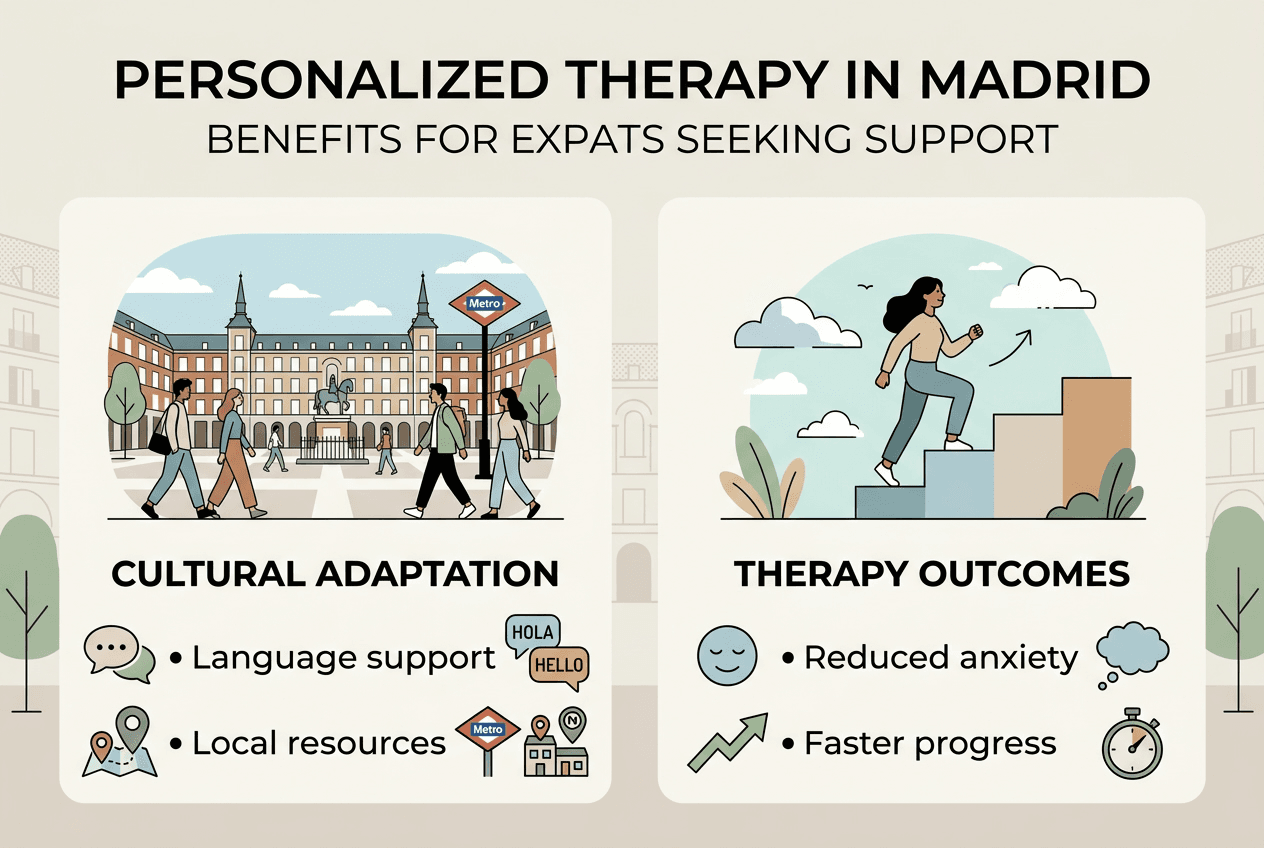
Initial consultations allow you to assess therapeutic fit before committing to treatment. During these meetings, evaluate whether the therapist demonstrates genuine understanding of international living challenges or merely offers platitudes about culture shock. Ask specific questions about their approach to expat-related trauma, their experience with rapid methods, and their flexibility accommodating irregular schedules or sudden relocations.
Exploring RTT therapy overview provides detailed information about what to expect during sessions, how practitioners structure treatment, and which issues respond best to this rapid approach. Additionally, online therapy for expats explains practical considerations like technology requirements, time zone coordination, and maintaining therapeutic continuity across international moves.
Madrid’s international community supports various mental health resources beyond individual therapy, including expat support groups, cultural adjustment workshops, and wellness centers offering complementary services. Integrating personalized therapy with these community resources creates comprehensive support networks addressing both clinical symptoms and practical expatriate challenges.
Explore personalized therapy options at Heske Therapy
If you’re seeking specialized personalized therapy designed specifically for English-speaking expats in Madrid, Heske Therapy offers tailored solutions addressing anxiety, trauma, and emotional challenges through integrative approaches. Their practice combines RTT therapy, EMDR, CBT, and hypnotherapy, delivering rapid, lasting results both online and in-office.
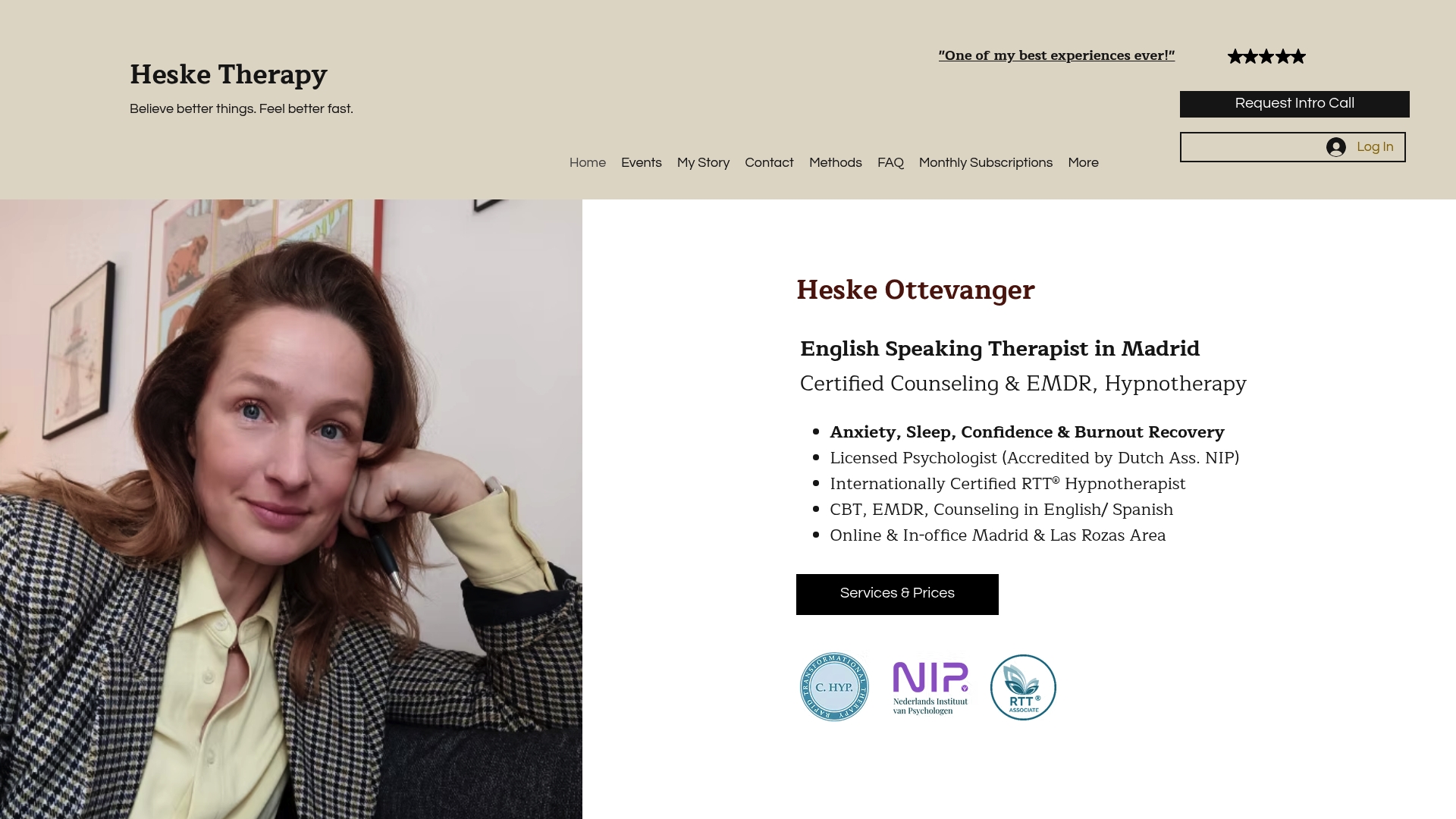
Heske Therapy understands the unique stressors expatriates face, from culture shock to social isolation, providing culturally sensitive care in English, Spanish, and Dutch. Their expertise in rapid therapeutic methods suits busy international lifestyles requiring efficient treatment without sacrificing depth or effectiveness. Whether you’re dealing with burnout, sleep issues, or trauma from relocation, their personalized treatment plans adapt to your individual needs and circumstances. Explore self-hypnosis relaxation products for convenient at-home support, or visit Heske Therapy to schedule a free discovery call and begin your personalized therapy journey.
Frequently asked questions
Is personalized therapy always better than standard therapy?
Personalized therapy often delivers superior outcomes for expats due to tailored approaches addressing cultural adjustment and individual circumstances, but success ultimately depends on client engagement and therapeutic fit. It’s not universally better for everyone, but proves particularly beneficial for complex cases, non-responders to conventional treatments, and expatriates facing unique international living stressors that generic protocols overlook.
How quickly can I expect results from rapid therapies like RTT?
RTT typically involves one to three sessions, with many clients reporting noticeable symptom improvement within weeks rather than months required by traditional therapy. Individual results vary based on issue complexity, personal responsiveness to hypnotic techniques, and commitment to post-session integration work. Expats particularly favor these rapid methods because they accommodate demanding schedules and minimize disruption from potential relocations.
Can I access personalized therapy online as an expat in Madrid?
Yes, online therapy is widely available and offers culturally sensitive, convenient care specifically designed for expatriate populations facing geographic isolation and scheduling challenges. Remote sessions eliminate commuting time, accommodate irregular work hours across time zones, and maintain therapeutic continuity if you relocate within or beyond Madrid. This accessibility proves essential for expats in areas with limited English-speaking mental health resources or those preferring specialized practitioners unavailable locally.
What makes therapy personalized versus just good therapy?
Personalized therapy systematically incorporates your cultural background, genetic factors, trauma history, lifestyle demands, and personal preferences into treatment design rather than applying standardized protocols. Good therapy may be empathetic and evidence-based but still follows generic frameworks, while personalized approaches analyze multiple individual data points to predict which specific interventions will work best for you. This precision reduces trial-and-error treatment phases and accelerates symptom relief.
Do I need to speak Spanish to access therapy in Madrid?
No, numerous English-speaking therapists practice in Madrid specifically serving expatriate populations, offering services in multiple languages including English, Spanish, and Dutch. Many also provide online sessions, further expanding access to practitioners regardless of language barriers or geographic location within the city. Choosing therapists fluent in your native language ensures nuanced emotional expression and deeper therapeutic work than attempting therapy in a non-native language.
Recommended
Comments