Role of EMDR in Recovery: Transforming Trauma Treatment

Relocating to Spain for work or family brings unique pressures, and many English-speaking expatriates in Madrid find themselves struggling with unresolved trauma or burnout. Adjusting to new routines, language barriers, and cultural shifts can aggravate emotional challenges. If you are seeking rapid, effective relief, EMDR therapy stands out as a scientifically supported method for processing distress without lengthy verbal sessions. This article demystifies EMDR therapy’s unique neurological approach, helping you navigate options for meaningful psychological healing in your new home.
Table of Contents
Key Takeaways
Point | Details |
Unique Therapy Approach | EMDR utilizes a structured, evidence-based method for processing traumatic memories distinct from traditional talk therapies. |
Effective for Various Conditions | EMDR is beneficial not only for PTSD but also for anxiety, depression, and other trauma-related issues. |
Bilateral Stimulation Importance | The core mechanism involves bilateral stimulation, which aids in the memory reprocessing necessary for emotional recovery. |
Personalized Treatment Required | EMDR effectiveness varies by individual; a tailored approach and trained therapist are essential for success. |
What Is EMDR and How Does It Work
EMDR therapy represents a groundbreaking approach to healing psychological trauma, offering a unique neurological pathway for emotional recovery. Originally developed in the late 1980s, this specialized treatment helps individuals process and integrate traumatic memories through a structured, evidence-based method that differs dramatically from traditional talk therapies.
Eye Movement Desensitization and Reprocessing (EMDR) is a sophisticated psychotherapy technique designed to help patients heal from emotional distress caused by disturbing life experiences. Developed around the Adaptive Information Processing model, EMDR focuses on understanding how unprocessed memories contribute to current psychological challenges.
The core mechanism of EMDR involves several key components:
Bilateral Stimulation: Using guided eye movements or tactile sensations to activate both brain hemispheres
Memory Reprocessing: Helping patients transform traumatic memories from emotionally charged to neutral
Neurological Healing: Allowing the brain’s natural information processing system to resume normal functioning
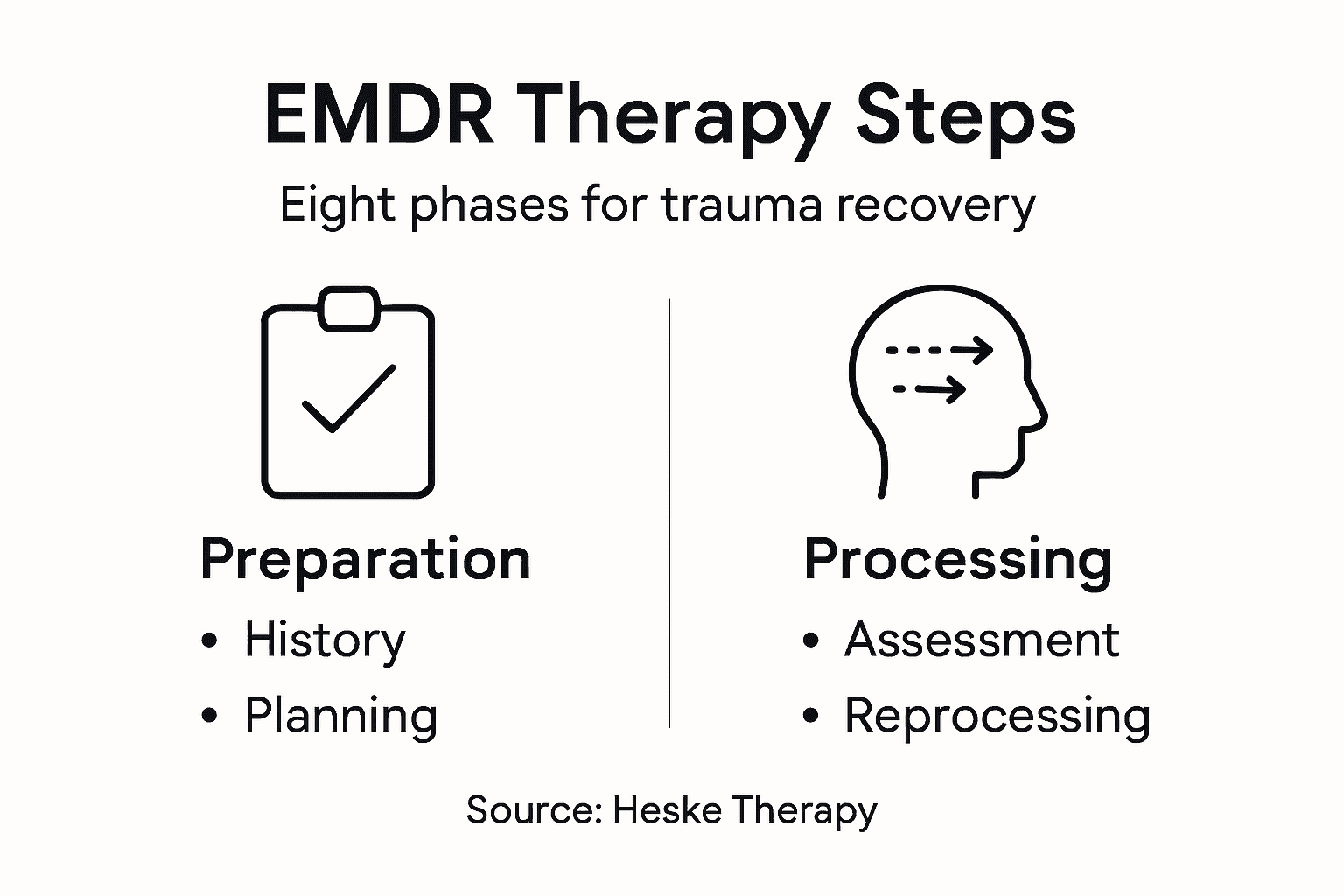
During a typical EMDR session, patients are guided through an eight-phase approach that systematically addresses traumatic memories. Evidence-based research demonstrates its effectiveness in treating conditions like Post-Traumatic Stress Disorder (PTSD), anxiety, depression, and other trauma-related psychological challenges.
How EMDR Works Neurologically
The therapy operates on a profound neurological principle: traumatic memories can become “stuck” in the brain’s processing system, causing ongoing emotional distress. EMDR helps rewire these neural pathways by:
Accessing the traumatic memory
Stimulating bilateral brain activity
Helping the brain reprocess the memory more adaptively
Reducing emotional charge associated with the memory
EMDR allows the brain to resume its natural healing process without requiring extensive verbal discussion of traumatic experiences.
Pro tip: For expatriates experiencing trauma or stress, consider consulting a specialized EMDR therapist who understands the unique challenges of international living and cross-cultural transitions.
Common Myths and Misconceptions About EMDR
Mental health treatments often generate confusion and misunderstanding, and EMDR therapy is no exception. Despite its proven effectiveness, numerous myths persist that can discourage individuals from exploring this transformative therapeutic approach. Understanding these misconceptions is crucial for anyone considering EMDR as a potential pathway to emotional healing.
Key Myths About EMDR Therapy
Several prevalent misconceptions can create unnecessary barriers to seeking treatment:
Myth: EMDR Creates False Memories
Reality: Scientific research definitively refutes this concern, demonstrating that EMDR helps process existing memories without fabricating new ones
Myth: Eye Movements Are Unnecessary
Reality: Bilateral stimulation plays a significant role in memory reprocessing, though the therapy’s effectiveness stems from multiple integrated techniques
Myth: EMDR Works Only for PTSD
Reality: The therapy effectively treats various psychological conditions, including anxiety, depression, and complex trauma
One particularly pervasive misconception involves the therapy’s mechanism. Many people mistakenly believe that EMDR simply involves random eye movements, when in reality, it represents a sophisticated, structured approach to neurological healing. The bilateral stimulation is carefully designed to activate both brain hemispheres, facilitating more comprehensive memory processing.
How Misconceptions Impact Treatment Seeking
These myths can prevent individuals from accessing a potentially life-changing therapeutic intervention. Expatriates and international professionals, who often experience unique psychological challenges, might be especially hesitant to explore innovative treatments due to misinformation.
Misconceptions about EMDR can create unnecessary barriers to effective psychological healing, preventing individuals from accessing a powerful therapeutic tool.
Pro tip: Before dismissing EMDR, consult a professionally trained therapist who can provide personalized insights into how this approach might address your specific emotional challenges.
EMDR Session Process for Trauma Recovery
Trauma recovery is a deeply personal journey, and EMDR therapy offers a structured, compassionate approach to healing emotional wounds. Understanding the therapy’s eight-phase process provides insight into how individuals can effectively process and integrate traumatic experiences.

EMDR Therapy Phases
The therapeutic process is meticulously designed to support clients through their healing journey:
History Taking and Treatment Planning
Comprehensive assessment of client’s psychological background
Identifying specific traumatic memories and treatment goals
Preparation Phase
Building therapeutic trust and rapport
Teaching emotional regulation and coping strategies
Assessment Phase
Activating specific traumatic memories
Establishing baseline emotional and physiological responses
Desensitization
Utilizing bilateral stimulation
Reducing emotional intensity of traumatic memories
Bilateral Stimulation Techniques
EMDR sessions typically involve precise therapeutic interventions that guide clients through memory reprocessing. Therapists use various bilateral stimulation methods, including:
Guided eye movements
Alternating sound stimulations
Tactile tapping techniques
Rhythmic hand movements
The goal is not to erase memories, but to transform their emotional impact, allowing clients to process trauma without being overwhelmed.
Session Dynamics and Client Experience
Each EMDR session is uniquely tailored, typically lasting 60-90 minutes. Clients remain in complete control, with the ability to pause or stop the process at any moment. The therapist serves as a compassionate guide, helping navigate complex emotional terrain.
Pro tip: For expatriates considering EMDR, schedule an initial consultation to discuss your specific trauma history and determine the most appropriate therapeutic approach.
Benefits of EMDR for Burnout and Anxiety
International professionals and expatriates often experience unique psychological challenges that can lead to chronic stress, burnout, and persistent anxiety. EMDR therapy offers a targeted approach to addressing these complex emotional experiences by providing a comprehensive method for emotional healing and stress management.
Targeted Benefits for Mental Health
EMDR therapy provides multiple critical advantages for individuals struggling with burnout and anxiety:
Emotional Regulation
Reduces intensity of traumatic memories
Helps develop more adaptive coping mechanisms
Stress Reduction
Decreases physiological stress responses
Interrupts cyclical negative thought patterns
Anxiety Symptom Management
Alleviates panic and generalized anxiety symptoms
Improves overall emotional resilience
Neurological Processing of Stress
Scientific research demonstrates EMDR’s effectiveness beyond traditional treatment approaches, showing remarkable potential in transforming how the brain processes traumatic and stressful experiences. The therapy works by helping individuals reframe and integrate challenging memories, reducing their emotional impact.
EMDR provides a powerful mechanism for rewiring emotional responses, enabling individuals to move from surviving to thriving.
Comprehensive Healing Approach
Unlike traditional talk therapies, EMDR focuses on neurological reprocessing, addressing the root causes of anxiety and burnout rather than merely managing surface-level symptoms. This approach is particularly beneficial for expatriates navigating complex emotional landscapes in unfamiliar cultural environments.
Pro tip: When experiencing persistent anxiety or burnout, consider scheduling a preliminary EMDR consultation to explore how this innovative therapy could support your emotional wellness journey.
Safety, Suitability, and Potential Risks
Emotional healing requires a nuanced, carefully considered approach, particularly when exploring therapeutic interventions like EMDR. Understanding the potential risks and safety considerations is crucial for individuals contemplating this transformative treatment method.
Key Safety Considerations
EMDR therapy involves several important safety parameters that clients should understand:
Emotional Intensity
Potential for temporary emotional heightening
Possibility of resurfacing challenging memories
Individual Variability
Treatment effectiveness varies by individual
Requires personalized therapeutic approach
Professional Guidance
Essential to work with trained EMDR therapist
Importance of comprehensive initial assessment
Potential Therapeutic Risks
Research highlights the complexity of implementing EMDR across diverse populations, demonstrating that individual adaptations are often necessary. Some potential risks include:
Temporary emotional destabilization
Incomplete memory processing
Potential stress regulation challenges
Need for specialized therapeutic modifications
Safety in EMDR therapy is fundamentally about personalized, client-centered treatment that respects individual psychological boundaries.
Suitability Factors
Not every individual will be an immediate candidate for standard EMDR protocols. Factors influencing suitability include current mental health status, trauma history, emotional regulation capacity, and specific cognitive capabilities. Expatriates experiencing complex cross-cultural stressors may require additional preliminary therapeutic work to prepare for EMDR.
This summary table highlights essential EMDR safety and suitability considerations:
Consideration | Why It Matters | Typical Recommendation |
Emotional Intensity | May increase distress briefly | Discuss coping skills first |
Therapist Training | Ensures appropriate guidance | Only trained professionals |
Personal Suitability | Varies with trauma history | Initial assessment required |
Treatment Adaptation | Needed for complex cases | Customized session planning |
Pro tip: Always schedule a comprehensive initial consultation to thoroughly assess your individual suitability and develop a tailored, safe therapeutic approach.
Comparing EMDR With Traditional Talk Therapy
Trauma treatment has evolved significantly, offering individuals multiple therapeutic pathways to emotional healing. Systematic research reveals compelling insights into EMDR’s effectiveness compared to traditional therapies, challenging long-held assumptions about psychological recovery.
Key Differences in Therapeutic Approach
Traditional talk therapy and EMDR differ fundamentally in their treatment methodologies:
Here’s a concise comparison of EMDR and traditional talk therapy methods:
Aspect | EMDR Therapy | Talk Therapy |
Core Approach | Neurological memory reprocessing | Verbal discussion and reflection |
Typical Session Flow | Uses bilateral stimulation techniques | Relies on client-therapist dialogue |
Best For | Trauma needing minimal verbal recall | Individuals comfortable discussing |
Key Benefit | Faster emotional resolution for trauma | Deeper cognitive insight over time |
Traditional Talk Therapy
Verbal processing of traumatic experiences
Emphasizes cognitive understanding
Relies on dialogue and verbal insight
EMDR Therapy
Neurological reprocessing of memories
Focuses on physiological response
Utilizes bilateral stimulation techniques
Comparative Treatment Outcomes
Research demonstrates comparable effectiveness across different trauma treatment approaches, with each method offering unique advantages. Key comparative factors include:
PTSD symptom reduction rates
Treatment engagement and dropout percentages
Long-term emotional processing capabilities
Individual therapeutic responsiveness
While both approaches can be effective, EMDR offers a more direct neurological intervention for trauma recovery.
Advantages of EMDR
EMDR distinguishes itself through several unique therapeutic characteristics. Unlike traditional talk therapy, it requires less extensive verbal processing, making it particularly beneficial for individuals who struggle with articulating traumatic experiences or who experience significant emotional barriers.
Pro tip: Consult a trauma-specialized therapist to determine which therapeutic approach best matches your individual emotional processing needs and recovery goals.
Transform Your Trauma Recovery with Expert EMDR Support at Heske Therapy
The article highlights how EMDR therapy rewires the brain to process trauma by activating bilateral brain activity and reducing emotional distress. If you are struggling with anxiety, burnout, or the lingering effects of trauma especially as an English-speaking expatriate in Madrid you understand how overwhelming emotional blocks and stress can feel. Heske Therapy specializes in tailored EMDR treatments designed to help you regain emotional balance rapidly and safely through personalized sessions that honor your unique background and challenges.
Experience the power of integrative care that combines EMDR with Rapid Transformational Therapy, CBT, and counseling to target the core of your trauma and anxiety. Our approach is built around respectful, culturally sensitive care to support expatriates navigating complex emotional landscapes without requiring extensive verbal recall of traumatic experiences. Discover how you can move from surviving to thriving through expert guidance available online or in-office.
Ready to take the next step in your trauma recovery journey and explore how EMDR can transform your mental health? Begin by visiting Heske Therapy to learn more about our approach and schedule your free discovery call.
Find out how our specialized EMDR programs can help you overcome anxiety and burnout. Connect with compassionate professionals who understand both trauma and expatriate challenges. Visit Schedule Your EMDR Consultation today and start your path toward lasting emotional healing.
Frequently Asked Questions
What is EMDR and how does it work?
EMDR, or Eye Movement Desensitization and Reprocessing, is a psychotherapy technique designed to help individuals process and heal from trauma. It works by stimulating both brain hemispheres through bilateral stimulation, allowing patients to transform traumatic memories and reduce their emotional intensity without extensive verbal discussion.
What types of conditions can EMDR treat?
EMDR is effective in treating various psychological conditions, including Post-Traumatic Stress Disorder (PTSD), anxiety, depression, and complex trauma. Its comprehensive approach addresses the root causes of emotional distress rather than just surface symptoms.
How does EMDR differ from traditional talk therapy?
Unlike traditional talk therapy, which focuses on verbal processing of traumatic experiences, EMDR utilizes neurological memory reprocessing and bilateral stimulation techniques. This approach can lead to faster emotional resolution for trauma without requiring extensive dialogue.
Are there any potential risks associated with EMDR therapy?
While EMDR therapy is generally safe, potential risks include temporary emotional intensification and the resurfacing of challenging memories. It’s essential to work with a trained EMDR therapist who can tailor the treatment to individual needs and establish a safe therapeutic environment.
Recommended
Comments