Burnout Recovery: How It Transforms Daily Life


More than 50 percent of American professionals experience burnout symptoms every year, and life overseas can add extra layers of anxiety. If you are an American or English-speaking expatriate living in Madrid, feeling exhausted or disconnected is not a personal failure. Your stress is real, not just a passing mood. This guide uncovers common myths about burnout and pinpoints therapy solutions that genuinely work in culturally complex situations like yours.
Table of Contents
Key Takeaways
Point | Details |
Understanding Burnout | Burnout is a serious psychological condition characterized by emotional exhaustion, depersonalization, and reduced personal accomplishment, requiring strategic interventions for recovery. |
Types of Burnout | There are three primary types of burnout: exhaustion-based, cynicism-related, and inefficacy-driven, each necessitating specific recovery approaches. |
Therapeutic Approaches | Effective burnout recovery incorporates mindfulness, cognitive-behavioral techniques, and professional counseling to rebuild emotional resilience and address unique stressors. |
Preventing Relapse | To avoid relapse, establish clear boundaries, develop self-care practices, and consistently monitor emotional and professional engagement. |
Burnout Recovery Defined and Common Myths
Burnout is not just another buzzword - it’s a serious psychological condition that impacts millions of professionals worldwide. According to the Centers for Disease Control and Prevention (CDC), burnout represents a chronic psychological phenomenon related to prolonged occupational stress, characterized by three critical dimensions: emotional exhaustion, depersonalization, and reduced personal accomplishment.
Contrary to popular misconceptions, burnout isn’t simply feeling tired or overwhelmed. It’s a complex state where chronic workplace stress creates significant psychological and physiological strain. Many expatriates in Madrid mistakenly believe burnout stems from personal weakness or insufficient resilience, but research demonstrates it’s more accurately attributed to systemic workplace dynamics and fundamental imbalances between professional demands and available resources.
The most dangerous myths surrounding burnout include the misguided beliefs that individuals can overcome it through sheer willpower or by working harder. Mental Health America highlights that burnout requires strategic interventions, including establishing clear boundaries, prioritizing rest, and developing robust support systems. Unlike temporary stress or occasional fatigue, burnout represents a sustained state of depletion that can profoundly impact an individual’s professional performance, personal relationships, and overall psychological well-being.
Pro tip: Recognize burnout early by tracking your emotional energy levels, sleep patterns, and workplace engagement, and proactively seek professional support before exhaustion becomes chronic.
Types and Stages of Burnout Recovery
Burnout manifests in distinct types that require nuanced understanding and targeted recovery approaches. According to clinical research, burnout can be categorized into three primary types: exhaustion-based burnout, cynicism-related burnout, and inefficacy-driven burnout, each presenting unique challenges for professionals experiencing chronic workplace stress.
The recovery process typically follows a structured progression with multiple interconnected stages. Research indicates that burnout recovery involves a comprehensive journey from initial crisis to gradual reintegration, which generally encompasses six critical stages: acknowledging the burnout, creating distance from stressors, rediscovering personal self-care practices, seeking professional therapeutic support, developing adaptive coping mechanisms, and ultimately sustaining long-term psychological resilience.
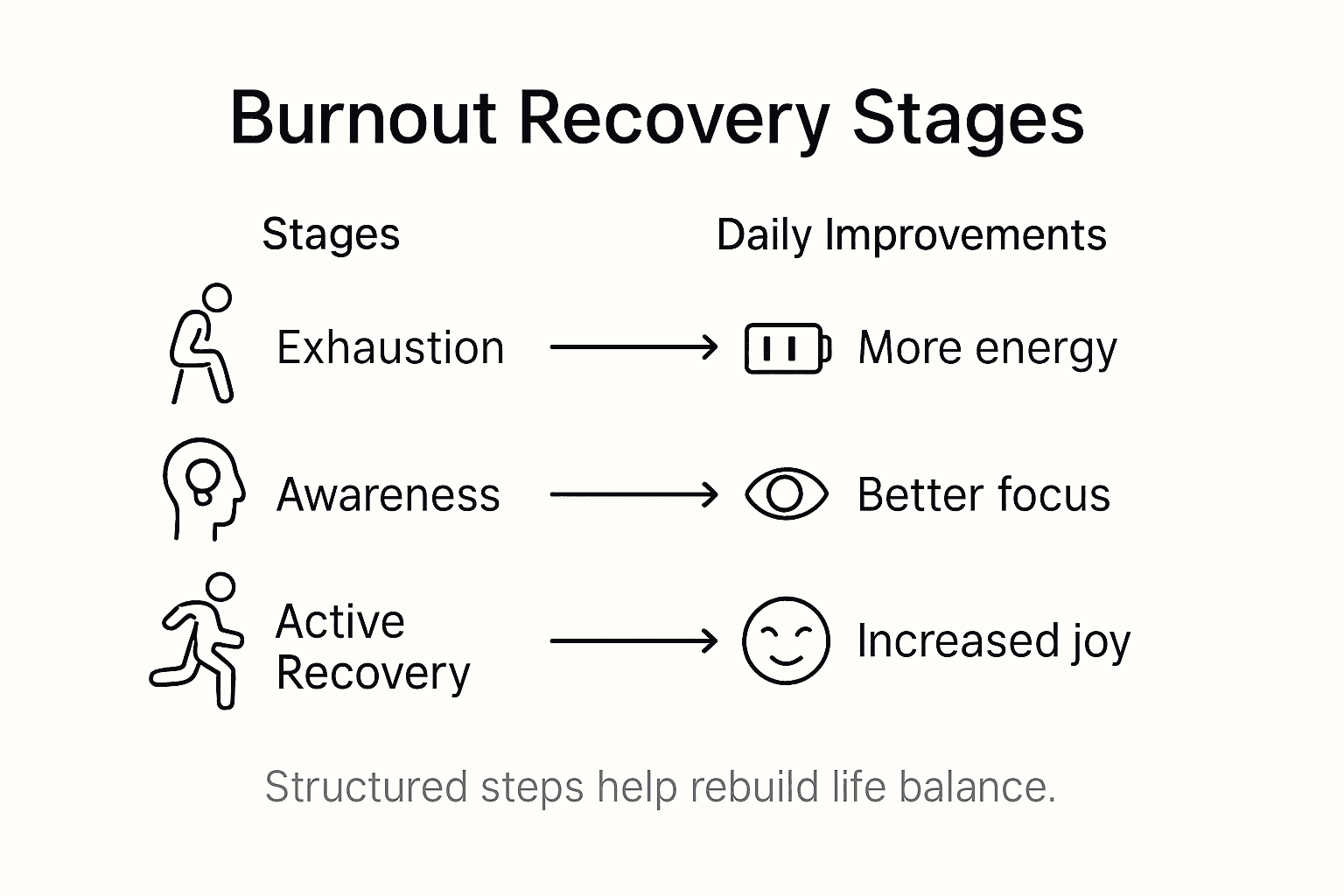
Each burnout type demands specialized intervention strategies. Exhaustion-based burnout requires intensive rest and energy restoration, while cynicism-related burnout necessitates rebuilding professional motivation and emotional engagement. Inefficacy-driven burnout focuses on rebuilding professional confidence and reconstructing a sense of accomplishment. Understanding these nuanced differences allows individuals to design personalized recovery pathways that address their specific psychological and professional challenges.
Here’s a summary of burnout types and recommended recovery approaches:
Burnout Type | Main Challenge | Recommended Approach |
Exhaustion-Based | Chronic fatigue and depletion | Intensive rest and restoration |
Cynicism-Related | Emotional disengagement | Rebuild motivation and engagement |
Inefficacy-Driven | Low sense of accomplishment | Rebuild confidence and skills |
Pro tip: Create a structured recovery journal to track your burnout symptoms, emotional progress, and personal growth milestones, helping you maintain accountability and recognize incremental improvements.
Key Signs and Characteristics to Recognize
Burnout represents a complex psychological state with multifaceted symptoms that extend far beyond simple workplace fatigue. Mental Health America identifies several critical signs indicating potential burnout, including constant exhaustion despite adequate rest, increased irritability, and emotional detachment from professional responsibilities, which can profoundly impact an individual’s psychological and physiological well-being.

According to the Centers for Disease Control and Prevention, burnout manifests through three primary dimensions: emotional exhaustion, depersonalization, and diminished personal accomplishment. These characteristics typically materialize as persistent feelings of being overwhelmed, a growing sense of cynicism toward work responsibilities, and a pervasive belief that one’s professional efforts are increasingly ineffective. Physical symptoms often accompany these psychological indicators, including chronic fatigue, sleep disruptions, muscle tension, and unexplained somatic complaints.
Expats and professionals experiencing burnout frequently report nuanced symptoms that can be subtle yet progressively debilitating. These may include a marked decline in work performance, reduced creativity, increased social withdrawal, and a persistent sense of emotional numbness. Notably, burnout differs from typical workplace stress or clinical depression by its specific constellation of work-related emotional and physical exhaustion, making early recognition crucial for effective intervention and recovery.
Pro tip: Conduct a weekly self-assessment using a personal burnout checklist, documenting changes in energy levels, emotional responsiveness, and workplace engagement to track potential warning signs proactively.
Effective Therapies and Recovery Methods
Burnout recovery requires a multifaceted therapeutic approach that addresses both psychological and physiological dimensions of workplace exhaustion. Comprehensive recovery methods integrate rest, professional therapy, and strategic stress management techniques to rebuild an individual’s emotional resilience, recognizing that sustainable healing extends far beyond temporary symptom management.
Mindfulness-based therapeutic approaches emphasize developing adaptive coping strategies through practices like Acceptance and Commitment Therapy (ACT), which help clients realign their professional actions with core personal values. These interventions typically involve cognitive-behavioral techniques, stress reduction practices, and establishing healthy workplace boundaries. Critical components include developing personalized self-care routines, implementing structured relaxation techniques, and gradually reintegrating professional responsibilities while maintaining psychological equilibrium.
For expatriates and international professionals experiencing burnout, specialized therapeutic interventions must account for unique cross-cultural stressors and adaptation challenges. Effective recovery often requires a holistic approach that combines individual psychological support, lifestyle modifications, and organizational engagement. This might include targeted counseling, mindfulness training, sleep optimization strategies, physical exercise recommendations, and developing robust social support networks that provide emotional stability during the recovery process.
Compare key therapies and their focus areas for burnout recovery:
Therapy Type | Primary Focus | Typical Outcome |
Mindfulness-Based | Stress reduction, awareness | Improved coping and resilience |
Cognitive-Behavioral | Modify negative patterns | Enhanced emotional regulation |
Professional Counseling | Personalized support | Sustained psychological healing |
Pro tip: Create a personalized recovery dashboard tracking your emotional energy, sleep quality, and professional engagement to identify patterns and measure therapeutic progress objectively.
Risks, Relapses, and What to Avoid
Burnout recovery is a delicate process fraught with potential setbacks and critical risks that can derail therapeutic progress. Research indicates that premature return to high-stress environments and failure to maintain protective psychological boundaries significantly increase the likelihood of recurring burnout, making vigilant self-monitoring essential for sustainable healing.
Organizational cultures that inadvertently reward overwork and continuous productivity pose substantial risks to recovery, necessitating careful navigation of workplace expectations and personal limits. Common pitfalls include underestimating recovery time, prematurely resuming full professional responsibilities, and neglecting the fundamental psychological and physiological restoration required after experiencing severe workplace exhaustion. Expatriates and international professionals must be particularly attentive to these risks, as cross-cultural work environments can introduce additional stressors that complicate recovery trajectories.
Preventing burnout relapse demands a proactive, multifaceted approach. Key strategies involve establishing clear professional boundaries, developing robust self-care practices, and maintaining consistent communication with support networks and mental health professionals. Recognizing early warning signs such as diminishing emotional resilience, recurring fatigue, and reduced professional engagement becomes crucial in intercepting potential regression before comprehensive recovery is compromised.
Pro tip: Develop a personalized “burnout early warning system” that includes weekly self-assessments, tracking emotional energy levels, sleep quality, and professional satisfaction to quickly identify and address potential recovery disruptions.
Overcome Burnout and Transform Your Daily Life with Expert Support
Burnout creates deep emotional exhaustion and diminishes your sense of accomplishment making everyday life feel overwhelming. The journey to recovery involves more than rest—it requires tailored therapeutic strategies that address exhaustion, cynicism, and inefficacy as explained in the article. Heske Therapy specializes in helping English-speaking expatriates in Madrid navigate these challenges through proven methods like Rapid Transformational Therapy and Cognitive Behavioral Therapy designed to rebuild resilience and restore motivation.
If you are tired of persistent fatigue and emotional detachment, Heske Therapy offers personalized treatment plans that recognize the complex stages of burnout recovery and focus on sustainable healing. With professional counseling accessible both online and in-office, you can start regaining control of your wellbeing today.
Take the first step toward lasting burnout recovery with Heske Therapy.
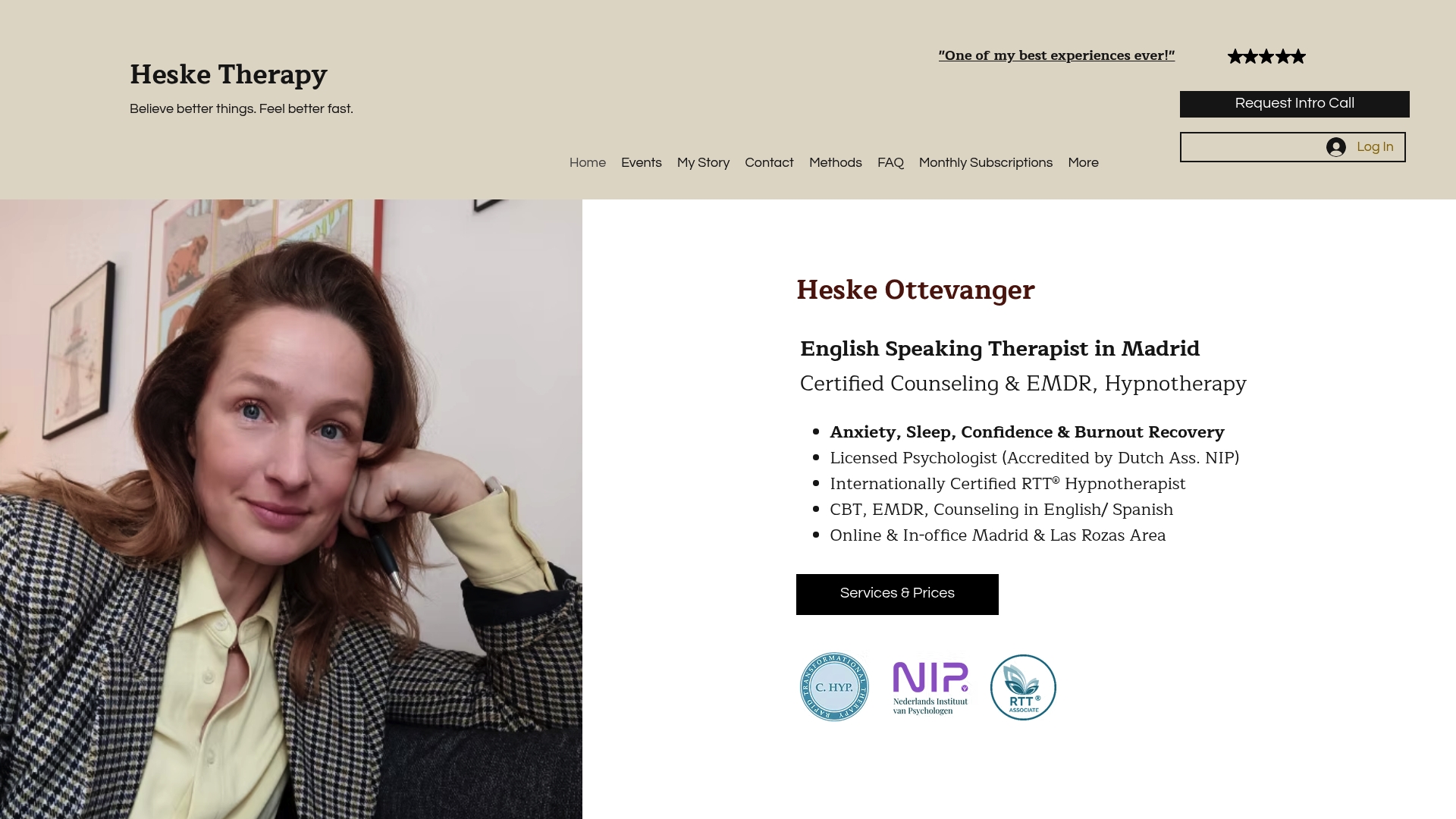
Discover how customized psychotherapy that addresses your unique burnout type and stage can restore your emotional energy and professional engagement. Visit Heske Therapy’s homepage now to schedule your free discovery call and begin transforming your life. Learn more about how our integrative approaches can help you reclaim balance by exploring our therapy methods in detail at Heske Therapy.
Frequently Asked Questions
What is burnout recovery?
Burnout recovery is a structured process aimed at healing individuals from the psychological and physiological effects of chronic workplace stress, helping them regain emotional resilience and professional engagement.
What are the signs of burnout?
Signs of burnout include constant exhaustion, irritability, emotional detachment from work responsibilities, and a reduced sense of personal accomplishment, often accompanied by physical symptoms like sleep disruptions and fatigue.
What strategies can help in burnout recovery?
Effective burnout recovery strategies include establishing clear work-life boundaries, prioritizing self-care practices, seeking professional support, and integrating mindfulness techniques to realign professional actions with personal values.
How can I prevent burnout relapse?
Preventing burnout relapse involves proactive self-monitoring, maintaining consistent self-care routines, setting clear professional boundaries, and recognizing early warning signs of returning fatigue or emotional detachment.
Recommended
Good Girl Syndrome - Is that why you are burntout?| Heske Therapy
Grief - Loss of what was, and the 5 stages towards acceptance & hope| Heske Therapy
It’s Lockdown O’Clock: Mental Health in Isolation| Heske Therapy
7 Effective Examples of Recovery Exercises for Active Aussies
Comments