Reduce Culture Shock Anxiety in 3 Months With Psychoeducation for Expats


Yes, culture shock commonly triggers anxiety, and the best-evidenced responses are psychoeducation combined with culturally sensitive therapy. Research on acculturative stress shows a clear link to anxiety and depression, while structured learning about the adjustment process measurably eases that strain. Below, we walk through the stages, the symptoms, and the concrete steps that help you recover faster.
TL;DR:
Adjustment often moves from excitement to frustration, then negotiation and adaptation; many people find a workable rhythm within six to twelve months, though timelines vary.
Psychoeducational programs reduced acculturative stress in pooled research, with an effect size of −3.89; structured orientation or guided learning offers a practical starting point.
Build predictability through consistent sleep, brief breathing practice before difficult errands, 15 minutes of daily language practice, and one manageable social task each week.
Seek professional care when anxiety disrupts work, sleep, or relationships for more than a few weeks, or when panic, hopelessness, or substance use emerges.
Culturally adapted therapy can address avoidance with CBT and EMDR, while online assessment and bilingual care may reduce access barriers for migrants.
Table of Contents
What Culture Shock and Acculturative Stress Actually Mean
Culture shock is the emotional disorientation that comes from losing the familiar cues that normally guide your behavior: body language, humor, bureaucracy, even grocery shopping. Acculturative stress is the broader, longer psychological strain of adapting to a new culture over weeks or months. The two overlap, and both can produce real anxiety symptoms, not just discomfort.
Common triggers include language barriers, unfamiliar social norms, unpredictable systems (banking, healthcare, transit), and the loss of a support network that once made daily life automatic. When those cues disappear, your brain has to work harder for things that used to be effortless, and that extra load shows up as tension.
There is a difference between normal reactive anxiety, which eases as you learn the ropes, and a clinical anxiety disorder, which persists, intensifies, or interferes with daily functioning regardless of how much you adapt.
You can usually recognize culture shock anxiety by these signs:
Racing thoughts about small daily tasks that used to feel automatic
Avoiding errands, calls, or social invitations you would normally accept
Sleep disruption tied to worry about “getting it wrong” in the new culture
A persistent sense of being on guard, even at home
How Culture Shock Shows Up as Anxiety Over Time
Adjustment tends to move through recognizable phases. First comes the honeymoon stage, often lasting weeks, when novelty feels exciting. Then frustration sets in as the gap between expectations and daily friction grows, typically peaking in the first few months. Negotiation follows, where you start problem-solving instead of just reacting, and eventually adjustment and adaptation bring a workable rhythm, usually within six to twelve months, though timelines vary widely.
Anxiety during this arc shows up in recognizable ways:
Panic or sudden dread before routine interactions, like ordering food or calling a landlord
Insomnia or fragmented sleep, often with rumination about social mistakes
Somatic pain: headaches, stomach issues, or muscle tension with no clear medical cause
Avoidance of situations that require using the new language or unfamiliar systems
Emotional numbness alternating with irritability or sudden tearfulness
Underneath these symptoms, four practical triggers tend to repeat: functional worries (can I actually get this done?), fear of unintentionally breaking a social rule, safety concerns in an unfamiliar environment, and anxiety about forming new relationships. Naming which one is driving your reaction makes it easier to target.
Why Culture Shock Causes Anxiety: The Research Behind It
Anxiety/Uncertainty Management theory offers a straightforward explanation: anxiety rises when you cannot predict how people will behave, and it falls as you build cultural knowledge and more predictable routines. Berry’s acculturation model adds that the degree of stress depends on how you balance keeping your original identity against adopting the new culture’s norms, with rigid or chaotic strategies producing more strain than flexible ones.
The data backs this up. A systematic review found acculturative stress correlates moderately with negative psychological outcomes (r ≈ 0.39) and with depression (r ≈ 0.41), confirming that this stress is not a minor inconvenience but a measurable mental health factor. The World Health Organization also notes that migrants and refugees commonly experience anxiety, depression, and PTSD, and that they face real barriers to accessing care, which makes early, accessible support especially valuable.
Psychoeducational programs produced a pooled effect size of −3.89 for reducing acculturative stress (p < 0.001), one of the strongest results in this research area, meaning structured learning about what you are going through is not just comforting but clinically effective.

Practical Coping Strategies You Can Start Today
The research consistently points to psychoeducation as the first, most effective move. Learning the phases of adjustment, joining a structured orientation or workshop, or working through a guided program gives your brain the predictability it is missing, and that alone lowers acculturative stress according to pooled results across multiple studies.
From there, daily habits matter:
Protect a consistent sleep and wake time, even when your schedule feels unmoored
Practice slow breathing (four seconds in, six seconds out) before anxiety-triggering errands
Use grounding techniques, naming five things you see and three you hear, when panic spikes
Take on one small, slightly uncomfortable social task per week rather than avoiding all of them
Social connection speeds recovery. Structured language practice, even 15 minutes a day, builds the competence that reduces uncertainty-driven anxiety. Setting small, specific social goals, such as one coffee invitation per week, works better than vague intentions to “meet people.” Peer-pairing or mentor programs, where someone who has already adjusted walks you through local systems, consistently shows up in research as a strong support for easing the transition.
Medication is sometimes added when anxiety is severe or persistent, but that decision belongs with a licensed prescriber who can weigh your full history, not a general guideline.
Pro Tip: When a task feels overwhelming, break it into the smallest possible first step, send one email, make one call, and treat finishing that step as the full goal for the day.
When Anxiety Is More Than Culture Shock
Most adjustment anxiety eases as familiarity builds. It is time to involve a professional when you notice:
Anxiety that interferes with work, sleep, or relationships for more than a few weeks
Thoughts of self-harm or hopelessness
Panic attacks that happen without a clear trigger
Increased use of alcohol or other substances to manage the stress
Therapy approaches with solid track records for this kind of anxiety include cognitive behavioral therapy (CBT), which targets the thought patterns driving avoidance, and EMDR, often used when past experiences amplify current stress. Rapid Transformational Therapy (RTT) is another option some clients use for faster symptom relief. Culturally adapted care, meaning a therapist who understands expatriate life rather than treating your situation as generic relocation stress, tends to produce better engagement.
A first assessment usually covers your history, current symptoms, and goals, and can happen in person or online. Confidentiality applies as with any clinical service, and working with a bilingual therapist removes the need for a translator, which WHO guidance identifies as a meaningful barrier to care for migrants.
A Clinical Perspective on Expat Culture Shock
Working with expats, we see a consistent arc: anxiety spikes hardest in the first few months, then eases once someone has both language and a plan. Clients who start structured support early, rather than waiting for things to “sort themselves out,” typically report calmer sleep and fewer panic episodes within weeks. If you reach out for a first conversation, ask what approach fits your specific symptoms and how quickly you can expect to notice change.
— Heske
Culturally Sensitive Support for Culture Shock Anxiety
If daily anxiety has settled in and self-help steps are not enough, working with a therapist who understands expat life can shorten the recovery arc considerably. Therapy sessions can be offered in multiple languages and formats, combining CBT, EMDR, RTT, and hypnotherapy depending on what your symptoms call for.
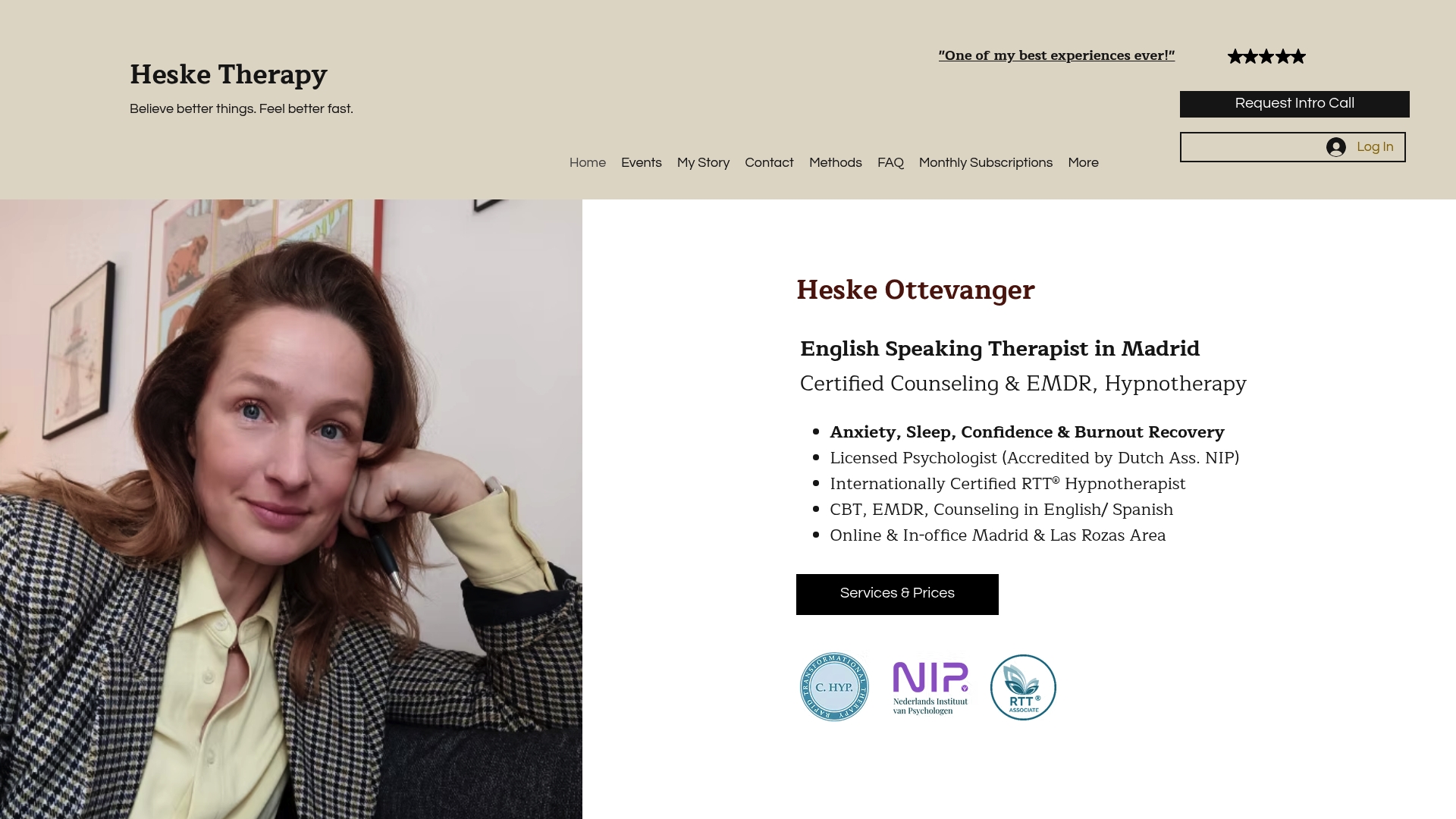
A first conversation, often called a discovery call, covers your current symptoms, what has already helped or not helped, and which format fits your life right now:
Create a Breakthrough in 3 Months, structured monthly therapy at €600 per month
The Classic RTT all-in Package, a focused, one-off intensive at 750 euros, available online or in person
Pack of 4 Counseling Sessions, a shorter commitment at 375 euros for readers who want to start smaller
For many readers managing symptoms remotely, understanding how teletherapy communication works day to day, covered in this guide to clinician messaging, helps set realistic expectations before the first session. You can see current formats and book an introductory call whenever you are ready to start.
This article is general information, not a substitute for advice from a qualified doctor. Consult a qualified healthcare professional about your own circumstances before acting on anything here.

FAQ
¿Qué efectos puede tener un choque cultural en el comportamiento de una persona?
Culture shock often leads to avoidance of unfamiliar situations, irritability, withdrawal from social plans, and disrupted sleep. Some people also develop somatic symptoms like headaches or stomach pain with no clear medical cause, which tend to ease as adjustment progresses.
¿Cuáles son las causas del choque cultural?
The main causes are language barriers, unfamiliar social norms, unpredictable systems like healthcare or banking, and the loss of a familiar support network. Anxiety/Uncertainty Management theory explains this as anxiety produced by a sudden drop in predictability.
How long does culture shock usually last?
Most people move through the honeymoon, frustration, and adjustment phases over six to twelve months, though timelines vary by individual and circumstance. Structured support and psychoeducation tend to shorten this window.
Can psychoeducation really reduce anxiety from culture shock?
Yes. A meta-analysis of psychoeducational programs found a pooled effect size of −3.89 for reducing acculturative stress, among the strongest results in this research area.
What therapy works best for culture-shock-related anxiety?
CBT, EMDR, and Rapid Transformational Therapy (RTT) each have solid use in treating anxiety tied to acculturation, particularly when delivered by a therapist familiar with expatriate experience. We offer all three alongside counseling and hypnotherapy for readers managing this kind of anxiety.
Sources
Comments