Step-by-Step Guide to Emotional Healing for Expats
- Methode sure pour gagner a la roulette
- Jan 14
- 7 min read

An estimated 60 percent of American and British expatriates in Madrid report feeling isolated or emotionally overwhelmed within their first year abroad. If you are an American expat battling anxiety or burnout while navigating the unfamiliar rhythms of Spain, you are far from alone. This guide reveals how rapid, integrative emotional healing can begin with the right support environment and therapy—empowering you to reclaim your sense of calm and belonging.
Table of Contents
Quick Summary
Key Point | Explanation |
1. Create a healing environment | Transform your living space by decluttering and incorporating calming colors and natural elements to foster emotional well-being. |
2. Acknowledge emotional challenges | Keep a journal to track feelings and recognize valid emotional experiences as part of your expat journey. |
3. Use integrative therapeutic techniques | Explore personalized therapy methods that combine various strategies to address complex emotions and cultural adaptation. |
4. Monitor your emotional progress | Develop a tracking system to review your emotions regularly, allowing you to adjust your strategies as necessary. |
5. Build a support network | Engage with peer communities, holistic coaches, and establish self-care practices to sustain long-term emotional growth and resilience. |
Step 1: Prepare a Supportive Healing Environment
Creating a healing environment is your first powerful step toward emotional recovery as an expat. This process involves intentionally designing a physical and emotional space that supports your mental wellness journey, helping you feel safe, calm, and ready to process your experiences.
Start by transforming your living space into a sanctuary that promotes healing and emotional regulation. Begin with organization and decluttering, which helps create mental clarity. Remove items that trigger stress or negative memories. Choose soft, neutral colors that feel calming and create a sense of peace. Position furniture to create open, breathable spaces that allow energy to flow freely. Consider adding natural elements like potted plants, which can reduce anxiety and improve overall mood.
Integrate sensory elements that ground and comfort you. This might include soft throw blankets, calming essential oil diffusers, noise cancelling headphones, or weighted blankets. Create a designated healing corner with a comfortable chair, soft lighting, and meaningful objects that represent your strength and resilience. Establish a consistent daily routine that includes time for self reflection, meditation, or gentle movement.
Pro tip: Invest in noise cancelling headphones and create a playlist of calming sounds or music that helps you feel emotionally centered and safe during your healing journey.
Step 2: Identify and Acknowledge Emotional Challenges
As an expat navigating complex emotional terrain, learning to recognize and validate your emotional experiences is crucial for healing. This step involves developing self awareness and creating space to understand the unique psychological challenges that come with living in a new country.

Start by creating a personal emotional inventory. Track your feelings throughout the day using a journal or digital app, noting patterns of anxiety, stress, or unexpected emotional reactions. Pay special attention to moments that trigger intense emotions such as homesickness, cultural isolation, or professional uncertainty. Emotional resilience skills can help you transform these challenging experiences into opportunities for growth.
Recognize that your emotional challenges are valid and normal. Many expats experience complex feelings of displacement, identity confusion, and cultural adjustment. Do not judge yourself for struggling. Instead, practice self compassion and view these emotions as natural responses to significant life transitions. Create a supportive narrative that acknowledges your courage in navigating unfamiliar emotional landscapes.
Pro tip: Set aside 10 minutes daily for honest self reflection, using a dedicated journal to track your emotional journey and identify recurring patterns that need attention.
Step 3: Apply Integrative Therapeutic Techniques
Navigating emotional healing as an expat requires a personalized and comprehensive approach. Integrative therapeutic techniques offer a flexible framework for addressing your unique psychological challenges by combining multiple treatment strategies tailored specifically to your individual needs and experiences.
Begin by understanding integrative psychotherapy approaches that blend different therapeutic methods. This approach allows therapists to draw from psychodynamic, cognitive behavioral, humanistic, and Gestalt therapies to create a customized healing strategy. During therapy sessions, you will work collaboratively with a professional to explore various techniques such as talk therapy, mindfulness practices, somatic experiencing, and cognitive restructuring. These methods help you process complex emotions, challenge limiting beliefs, and develop healthier coping mechanisms specific to the expat experience.
Implement a holistic approach that addresses emotional, cognitive, and behavioral dimensions of your healing journey. This might involve combining traditional talk therapy with body based techniques like EMDR, breath work, or trauma release exercises. Focus on building emotional resilience, understanding your cultural adaptation challenges, and developing practical skills for managing stress and uncertainty in your new environment.
Pro tip: Request a comprehensive therapeutic assessment that maps your unique emotional landscape and creates a personalized treatment plan addressing your specific expat challenges.
Here is a summary of integrative therapeutic techniques and their primary benefits for expats:
Technique | Approach Blended | Key Benefit for Expats |
Mindfulness Practices | Humanistic, Cognitive Behavioral | Reduces anxiety in cross-cultural life |
Talk Therapy | Psychodynamic, Cognitive Behavioral | Explores rooted emotional challenges |
Somatic Experiencing | Gestalt, Somatic | Releases tension from culture stress |
Cognitive Restructuring | Cognitive Behavioral | Challenges negative adaptation beliefs |
EMDR | Integrative, Somatic | Processes trauma from relocation |
Step 4: Monitor Progress and Adjust Strategies
Emotional healing is a dynamic journey that requires consistent self reflection and strategic adaptation. This step focuses on developing a proactive approach to tracking your emotional growth, understanding your progress, and making informed adjustments to your therapeutic strategies.
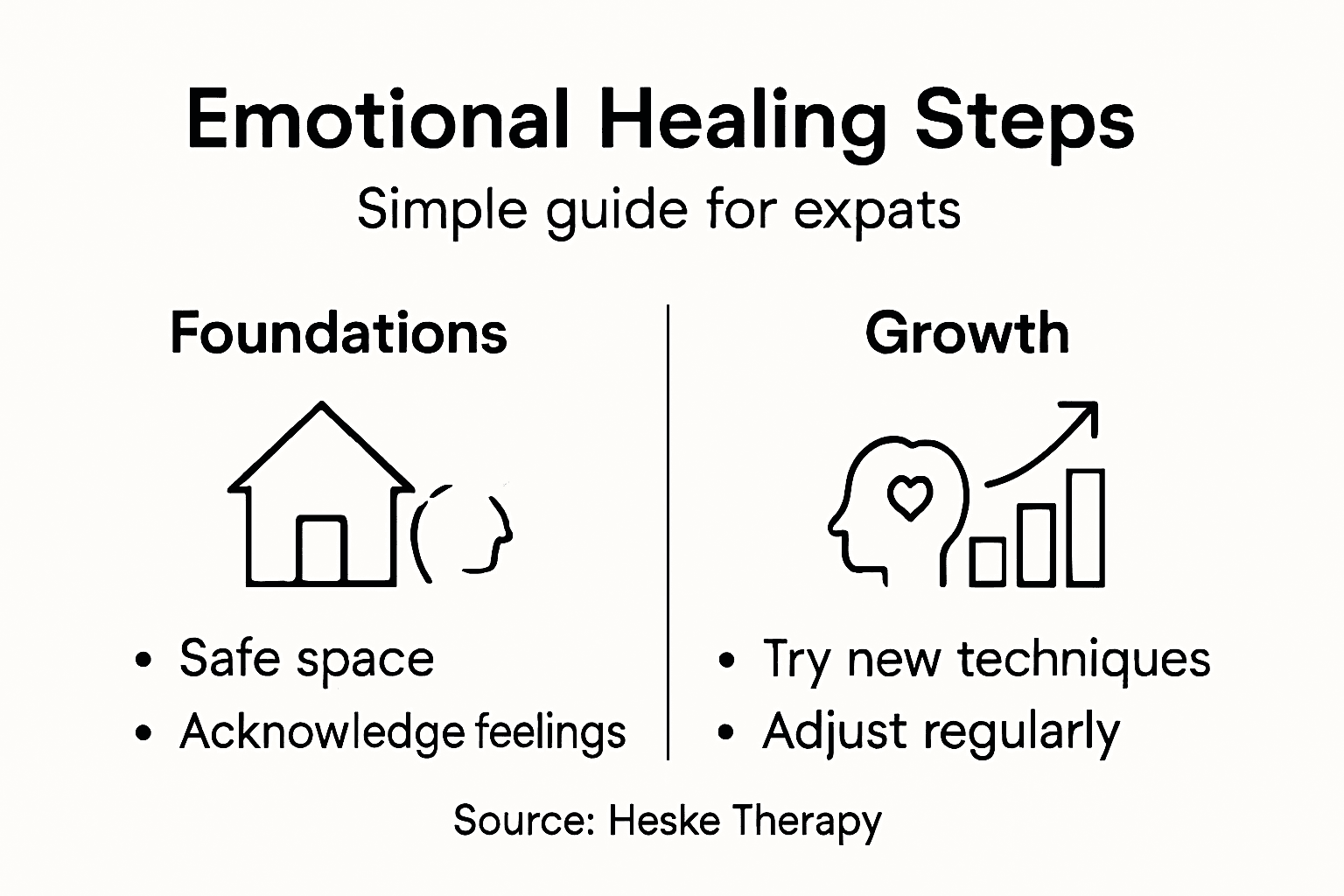
Create a comprehensive tracking system to monitor your emotional and psychological development. Use a combination of quantitative and qualitative methods such as mood tracking apps, therapy progress journals, and regular self assessment questionnaires. Document your emotional experiences, triggers, coping mechanisms, and significant breakthroughs. Pay attention to subtle shifts in your thought patterns, emotional responses, and overall sense of well being. Regularly review these records with your therapist to identify trends, celebrate improvements, and pinpoint areas requiring additional focus.
Remain flexible and open to modifying your therapeutic approach. Healing is not linear, and what works today might need adjustment tomorrow. Communicate openly with your therapist about your evolving needs, unexpected challenges, and personal insights. Be willing to explore alternative techniques or adjust your current strategies if you feel they are no longer serving your emotional growth. Trust the process while maintaining an active, collaborative role in your healing journey.
Pro tip: Schedule quarterly comprehensive review sessions with your therapist to systematically evaluate your emotional progress and recalibrate your healing strategies.
Step 5: Sustain Growth with Ongoing Support
Emotional healing is a continuous journey that requires consistent nurturing and strategic support. This final step focuses on developing long term resilience and maintaining the positive momentum you have created throughout your therapeutic process as an expat.
Build a comprehensive support network that extends beyond traditional therapy. Holistic mental wellbeing coaching can provide additional resources and strategies for maintaining emotional balance. Connect with support groups specifically designed for expats, engage in regular peer meetups, and consider additional professional coaching that complements your therapy. These connections help you navigate cultural transitions, process ongoing challenges, and continue developing emotional skills that enhance your personal and professional life abroad.
Establish sustainable self care practices that integrate mindfulness, reflective techniques, and continuous personal development. Create a personalized toolkit of coping strategies, including journaling, meditation, regular physical exercise, and ongoing learning opportunities. Schedule periodic check ins with your therapist or coach to reassess your emotional landscape, celebrate progress, and proactively address emerging challenges. Remember that emotional growth is not a destination but an ongoing process of self discovery and adaptation.
Pro tip: Develop a quarterly personal growth review ritual where you intentionally reflect on your emotional journey, document your insights, and realign your personal development goals.
The table below highlights ways to sustain emotional growth as an expat:
Support Type | Example Approach | Long-Term Benefit |
Peer Community | Expat support groups, meetups | Ongoing social connection |
Holistic Coaching | Mental wellbeing sessions | Broader resilience skill-building |
Personal Toolkit | Journaling, mindfulness routines | Practical self-regulation methods |
Professional Review | Quarterly therapy check-ins | Tracks and encourages steady growth |
Take Charge of Your Emotional Healing Journey Today
Moving abroad often brings unique emotional challenges like stress, cultural isolation, and anxiety that can feel overwhelming. If you find yourself struggling with these feelings or need guidance in integrating therapeutic techniques that address your expat experience, Heske Therapy in Madrid offers specialized support tailored for English-speaking expatriates. Their integrative approaches including Rapid Transformational Therapy, EMDR, and CBT focus on delivering rapid and lasting relief from emotional blocks, burnout, and trauma which are common pain points identified in the healing process.
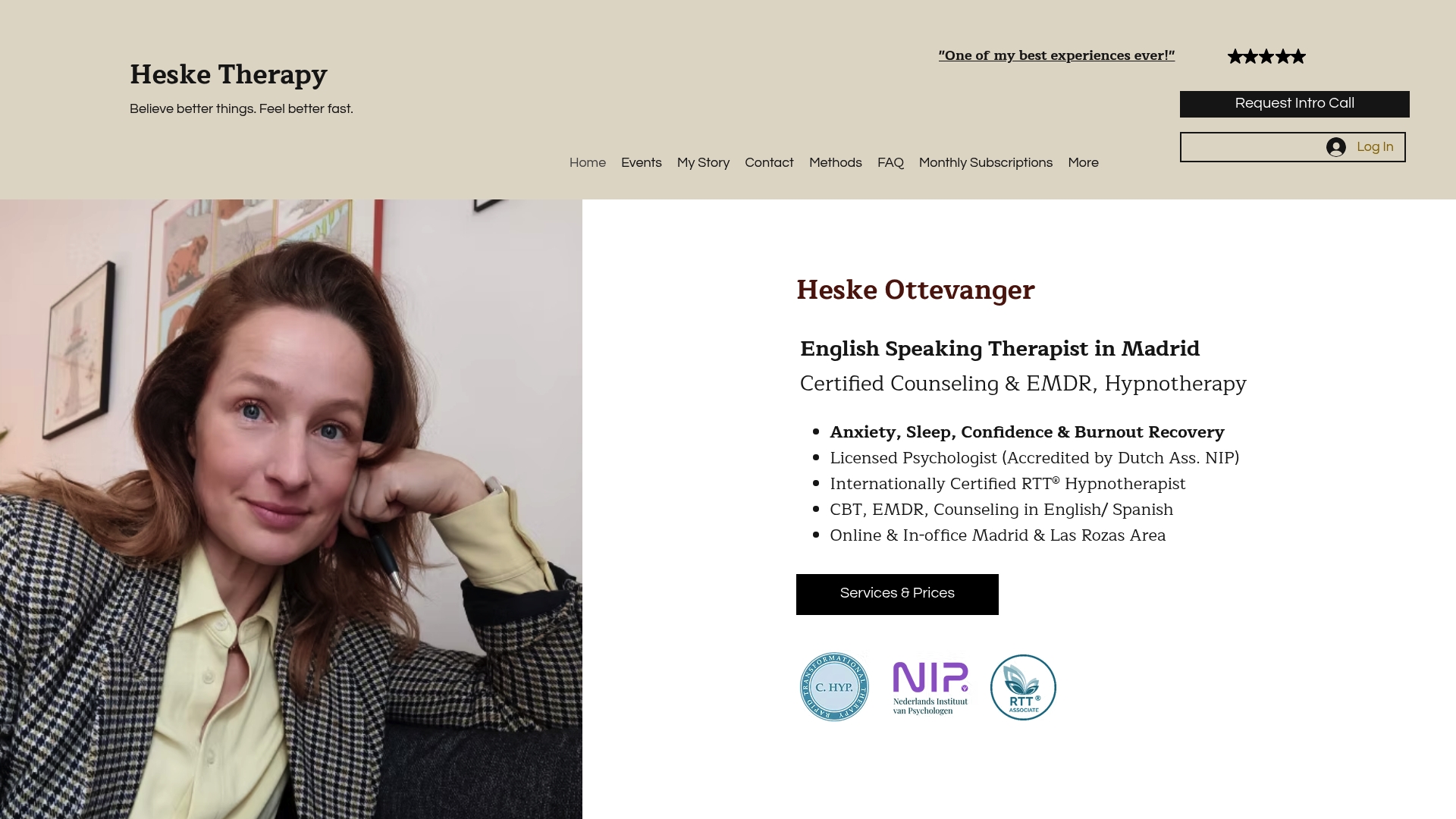
Discover how personalized therapy at Heske Therapy can help you build resilience and regain clarity in a compassionate, culturally sensitive setting. Start your healing journey with a free discovery call and experience expert care designed specifically for expats navigating emotional transitions. Take the first step now toward a supportive, structured path to emotional well-being by visiting Heske Therapy’s homepage and exploring how their integrative therapy methods can empower your growth.
Frequently Asked Questions
How can I create a supportive healing environment as an expat?
Creating a supportive healing environment involves organizing and decluttering your living space to promote calmness. Start by removing items that trigger negative emotions and use soft, neutral colors in your decor to foster a peaceful atmosphere.
What are effective ways to acknowledge emotional challenges as an expat?
To acknowledge emotional challenges, keep a personal emotional inventory by journaling your feelings daily. This practice helps you recognize patterns and triggers, allowing you to validate your experiences without judgment.
Which integrative therapeutic techniques can benefit expats during emotional healing?
Integrative therapeutic techniques like mindfulness practices, talk therapy, and cognitive restructuring are beneficial for expats. Begin by discussing these options with a therapist to create a personalized treatment plan that addresses your unique emotional challenges.
How can I monitor my emotional progress and adjust my healing strategies?
Monitor your emotional progress by keeping a mood tracking app or a therapy progress journal. Review your entries regularly with your therapist to celebrate improvements and adjust strategies that may no longer be effective.
What steps can I take to sustain emotional growth after my initial healing process?
To sustain emotional growth, build a diverse support network and engage in ongoing self-care practices like journaling and mindfulness. Schedule quarterly check-ins with your therapist to reassess your emotional landscape and stay on track with your personal development goals.
How can I effectively manage feelings of homesickness and cultural isolation?
Managing feelings of homesickness can be done by establishing a routine that includes connecting with others and reflecting on your experiences. Create a support system by joining expat groups and participating in local activities to foster a sense of belonging.
Recommended
Comments