How to Book a Counseling Session: A Practical Guide


TL;DR:
Booking a counseling session involves clarifying your emotional needs and selecting the right therapist efficiently.
Promptly completing intake paperwork and confirming your appointment helps ensure your session is secured.
You should prepare for your first session by tracking symptoms and forming clear goals to maximize progress.
Booking a counseling session is the process of identifying your emotional needs, finding a qualified therapist, and securing an appointment through an online portal, phone call, or email. Many people delay this step because the process feels unclear. It does not have to be. Whether you are managing anxiety, burnout, relationship stress, or sleep problems, knowing how to book a therapy appointment correctly saves time and gets you into the right room faster. This guide walks you through every step, from clarifying your goals to sitting down for your first session.
How to book a counseling session: what to know before you start
The most common mistake people make is searching for a therapist before they know what they need. Spending ten minutes defining your goals first changes everything. You will search more efficiently, ask better questions, and feel less overwhelmed by the options.
Start by identifying the core issue driving you to seek help. Common reasons include anxiety, chronic stress, burnout, grief, relationship conflict, low self-esteem, trauma, and sleep problems. You do not need a clinical label. You just need enough clarity to describe what is bothering you and how long it has been happening.
Next, decide which therapy approach fits your situation. Cognitive Behavioral Therapy (CBT) works well for anxiety and negative thought patterns. EMDR is the standard treatment for trauma and PTSD. Rapid Transformational Therapy (RTT) targets deep-rooted beliefs quickly. Talk therapy and counseling suit people who want a space to process emotions without a structured protocol. If you are unsure which method fits your needs, reading about different counseling approaches before booking helps you ask smarter questions.
Decide early whether you want in-person or online sessions. Online therapy removes geographic barriers and fits busy schedules. In-person sessions suit people who find face-to-face connection easier. Both formats are clinically effective.
Finally, check your insurance coverage or budget before you contact anyone. Out-of-pocket therapy costs in the U.S. average around $129 per session, while in-network insurance copays typically run $15–$50. Knowing your budget prevents you from falling for a therapist you cannot afford to see consistently.
Pro Tip: Write down your top three concerns and rate each one by urgency before you search. This list becomes your guide during consultations and your first session.
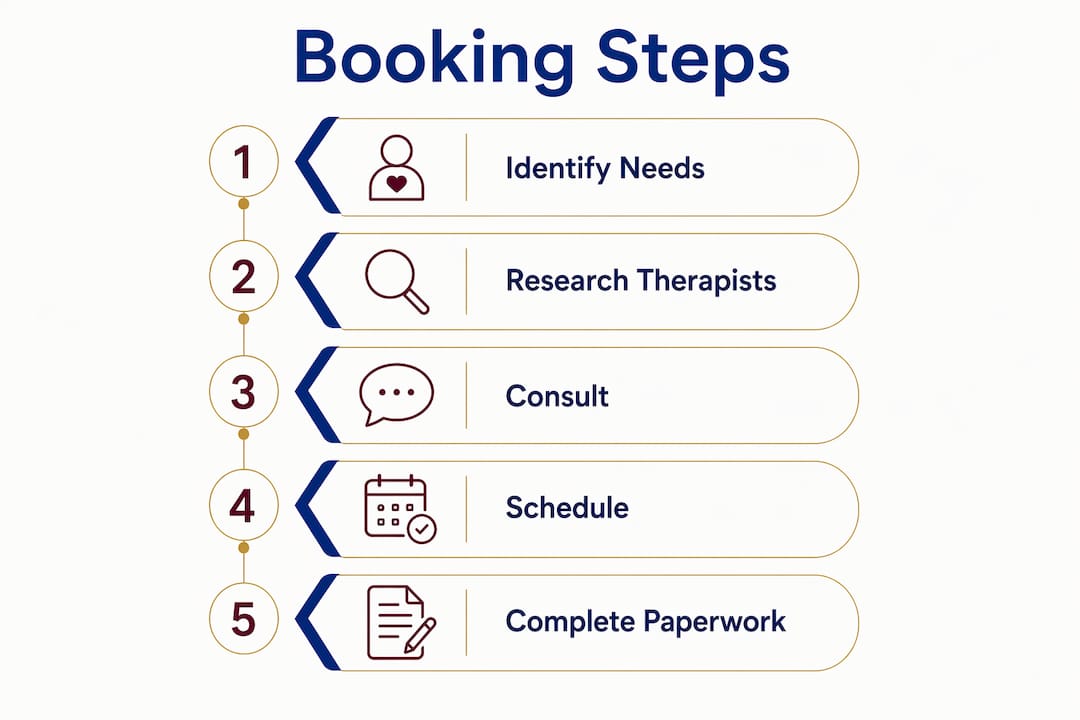
How do you find the right therapist for your needs?
Finding a therapist is not the same as finding a doctor. Fit matters as much as credentials. A therapist with the right specialty but the wrong communication style will slow your progress.
Start with trusted directories and referral sources:
Ask your primary care doctor for a referral. Doctors often know local therapists who specialize in specific conditions.
Search therapist directories like Psychology Today, TherapyDen, or the American Counseling Association’s locator. Filter by specialty, insurance, and session format.
Check with your employer’s EAP (Employee Assistance Program). Many EAPs provide free short-term counseling sessions.
Ask people you trust. Personal referrals carry weight because someone you know has already vetted the therapist.
Search practice websites directly. Practices like Hesketherapy publish detailed therapist bios, specialties, and session formats, which makes evaluation faster.
Once you have a shortlist of two or three therapists, look at their credentials and experience. Confirm they are licensed in your state or country. Check that they have experience with your specific issue, not just general counseling. A therapist who specializes in expat stress and burnout will serve an international client far better than a generalist.
Most therapists offer a free 15-minute consultation call before you commit. Use it. This call is not therapy. It is a two-way interview. You are assessing whether this person understands your situation and whether you feel comfortable talking to them.
Pro Tip: Prepare a therapist questions checklist before your consultation call. Ask about their experience with your specific issue, their typical approach, session length, and cancellation policy. You will make a faster, more confident decision.
Questions worth asking during a consultation:
What is your experience treating anxiety, burnout, or trauma specifically?
Do you use a structured method like CBT or EMDR, or is your approach more open-ended?
What does a typical session look like?
How do you measure progress?
What is your cancellation and rescheduling policy?
Step-by-step guide to scheduling your appointment
Once you have chosen a therapist, the actual booking process is straightforward. The method depends on what the practice offers.

Online booking portals are the fastest option. Most practices now use platforms like SimplePractice, Jane App, or their own website booking system. You create an account, select your therapist, choose a date and time, and confirm. The system usually sends an automatic confirmation email immediately.
Phone booking is the right choice when no online portal exists or when you have specific scheduling needs. Call during business hours, have your insurance card ready, and ask the receptionist to confirm the appointment in writing by email.
Email requests work for practices that prefer them. Keep your message short: state your name, the issue you want to address, your preferred session format (online or in-person), and two or three available time slots.
After booking, complete your intake paperwork immediately. Many practices require intake forms submitted at least 48 hours before your appointment to hold your slot. Waiting until the day before is a real risk.
Booking method | Best for | Confirmation speed | Key risk |
Online portal | Most clients | Instant | Technical errors |
Phone call | Complex scheduling needs | Same day | No written record unless requested |
Email request | Practices without portals | 24–48 hours | Slower response |
Do not assume your appointment is confirmed until you receive direct communication from the practice. Confirmation can take up to 48 hours for practices that manually process requests. Send a follow-up email if you have not heard back within that window.
What should you expect in your first counseling session?
The first session is not a test. It is a structured conversation designed to help your therapist understand your background and goals. Knowing what to expect removes most of the anxiety around it.
Your therapist will typically begin with intake questions covering your personal history, current symptoms, relationships, and any past therapy experience. This is called a biopsychosocial assessment. Therapists prefer honest, direct answers over polished narratives. You do not need to have your story perfectly organized. Just answer truthfully.
Your therapist will also review confidentiality rules and explain the limits of privacy (for example, mandatory reporting in cases of imminent harm). Ask any questions you have about this before the session moves forward.
Arrive five minutes early, or log in a few minutes before your online session starts.
Bring your insurance card and a photo ID if attending in person.
Have your list of concerns and any symptom notes ready to reference.
For online sessions, use a quiet, private room with a stable internet connection.
Experts recommend creating a therapy ritual for telehealth sessions. This means setting up your space the same way each time: same chair, headphones in, phone on silent, door closed. The ritual signals to your brain that this time is different from the rest of your day. It improves focus and emotional openness.
Pro Tip: Track your symptoms daily for one week before your first session. Note your mood, sleep quality, anxiety level, and any triggers. This data gives your therapist a clearer picture than memory alone.
Common booking problems and how to fix them
Booking problems are common and almost always fixable. The key is acting quickly rather than waiting to see if things resolve on their own.
“Do not assume your appointment is confirmed until you receive a direct reply. Practices that process requests manually can take up to 48 hours to respond.” — Cinco Ranch Counseling
The most frequent issue is expired intake paperwork links. Many practices send a portal link that expires within 72 hours of booking. If you miss that window, the link stops working and you must request a new one. That new request may cost you your original time slot. Complete the paperwork the same day you book.
Other common problems and their fixes:
No confirmation received: Send a polite follow-up email after 48 hours. Reference your name, the requested date and time, and ask for written confirmation.
Scheduling conflict after booking: Contact the practice as early as possible. Most have a 24-hour or 48-hour cancellation policy. Canceling inside that window often results in a fee.
Therapist not accepting new clients: Ask to be placed on a waitlist and continue searching in parallel. Do not stop at one practice.
Insurance confusion: Call your insurance provider directly to confirm your mental health benefits before your first session. Ask specifically about your copay, deductible, and whether the therapist is in-network.
Key takeaways
Booking a counseling session requires clarity about your needs, careful therapist selection, and prompt action on paperwork and confirmation steps.
Point | Details |
Define your goals first | Identify your top concerns before searching so you can match with the right therapist faster. |
Use free consultation calls | Most therapists offer a free 15-minute call. Use it to assess fit before committing. |
Complete paperwork immediately | Many practices require intake forms at least 48 hours before your appointment to hold your slot. |
Confirm your booking actively | Do not assume confirmation. Follow up within 48 hours if you have not received a direct reply. |
Prepare for your first session | Track symptoms for one week before and bring a list of questions to maximize your first appointment. |
What I have learned from watching clients book their first session
The hardest part of therapy is not the work inside the session. It is making the first call. I have seen this pattern repeat across hundreds of clients: the person who finally books is not the one who feels ready. They are the one who decides that waiting for readiness is no longer an option.
Therapist-client fit is real, and it matters more than most people expect. I always tell new clients to give a therapist at least two or three sessions before deciding whether it is working. The first session is a collaborative interview, not a verdict. You are both figuring out whether this relationship has the right foundation.
One thing I wish more people knew: an imperfect first session is completely normal. You might feel awkward, unsure what to say, or emotionally flat. That does not mean therapy is not for you. It means you are human and this is new. The discomfort fades quickly when you show up consistently.
Online booking and free consultation calls have made the entry point much lower than it used to be. Use them. A 15-minute call costs you nothing and can save you weeks of searching. Prepare a few questions, be honest about what you are struggling with, and trust that the right therapist will make the path forward feel clearer.
— Heske
Ready to book your first session with Hesketherapy?
Hesketherapy works with English-speaking clients in Madrid and internationally, specializing in anxiety, burnout, trauma, and sleep issues through CBT, EMDR, RTT, and counseling. Sessions are available both online and in-office, with flexible scheduling and packages designed to make consistent therapy accessible.
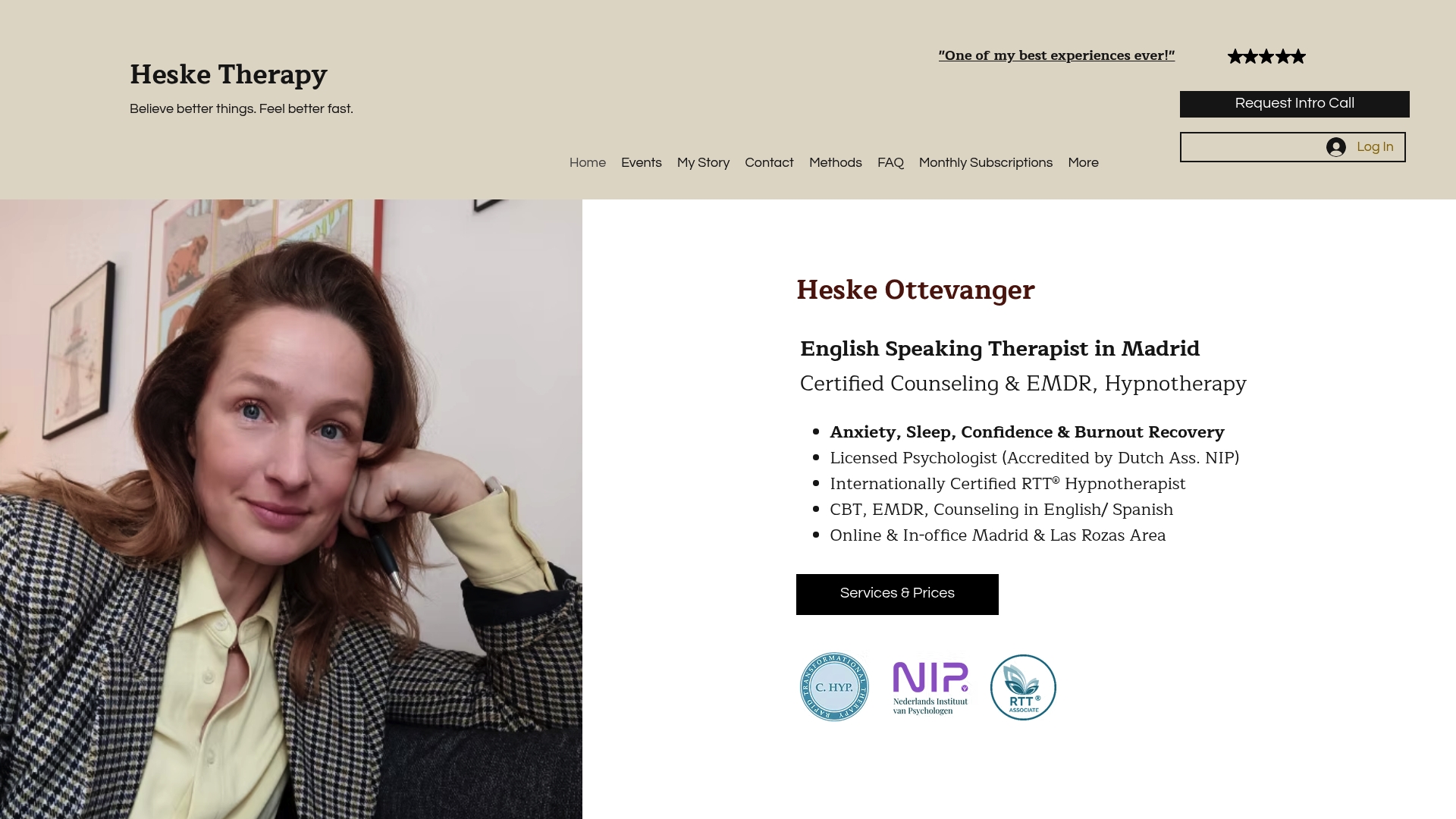
If you are ready to take the next step, you can book a counseling session directly through the Hesketherapy website. A free discovery call is available to help you find the right fit before you commit. For clients who want structured support across multiple sessions, bundled online session packages offer a cost-effective way to get started. Hesketherapy also offers in-office session packages for those based in or visiting Madrid.
FAQ
How long does it take to book a counseling appointment?
Online portals confirm bookings instantly. Practices that process requests manually can take up to 48 hours to send confirmation, so follow up if you have not heard back within that window.
What should I bring to my first counseling session?
Bring a photo ID, your insurance card, and a short list of your main concerns. If you have been tracking symptoms or sleep patterns, bring those notes too.
Is a free consultation call worth doing before I book?
Yes. Free 15-minute consultation calls are the fastest way to assess therapist fit without financial commitment. Prepare two or three questions in advance to make the most of the time.
What happens if I miss the intake paperwork deadline?
Expired intake links require you to request new ones, which risks losing your original appointment slot. Complete all paperwork the same day you book to avoid this problem.
Do I need a diagnosis to schedule a counseling appointment?
No. Therapy is not only for crises or diagnosed conditions. You can schedule a session simply because you are feeling overwhelmed, stuck, or want support. Your therapist will help clarify your needs during the first session.
Recommended
Comments