How RTT Heals Anxiety: The Subconscious Mechanism
- Heske Ottevanger
- 1 day ago
- 7 min read


Rapid Transformational Therapy heals anxiety not by teaching you to cope with it, but by finding where it started. The RTT anxiety healing mechanism works by guiding you into a deeply relaxed, hypnotic state where the subconscious mind becomes accessible, then using regression to locate the original experience that created your anxious beliefs. Once that root is found, the meaning attached to it is reframed, the emotional charge is released, and new, calming beliefs are installed through the brain’s own capacity for change: neuroplasticity. The result is relief that feels different from anything a coping strategy can offer, because the source of the anxiety has actually shifted.
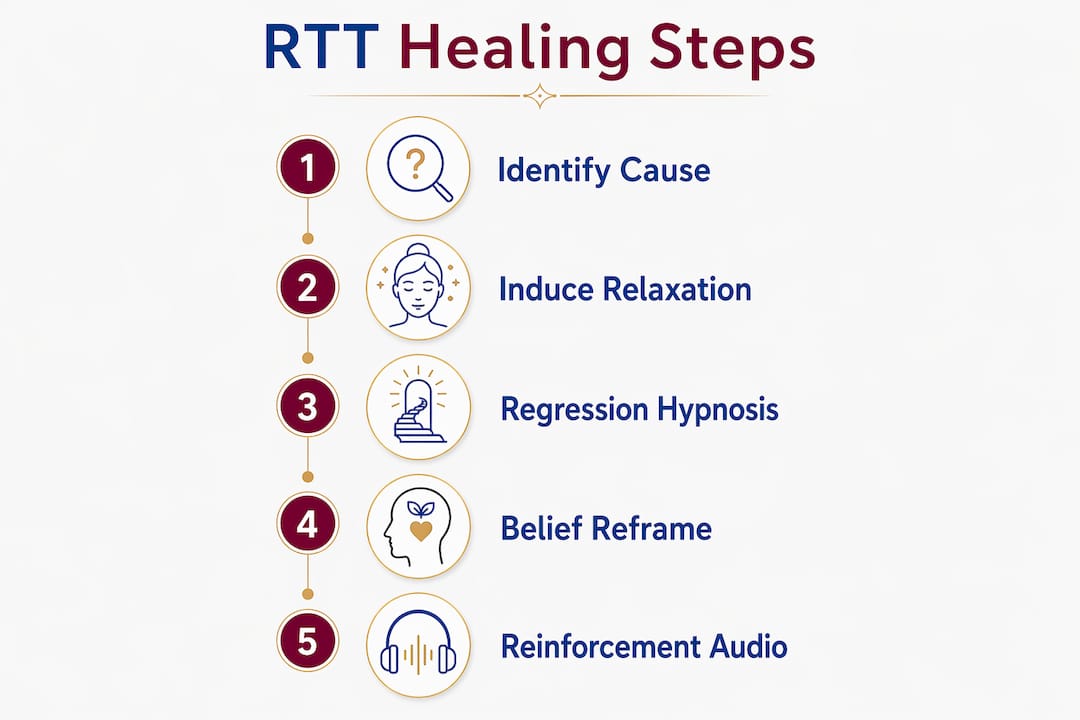
RTT achieves this by integrating hypnotherapy, CBT, and NLP into a single, structured session. Here is what that process delivers:
Subconscious access: Hypnosis bypasses the conscious mind’s critical filter, opening the door to beliefs formed in childhood or during traumatic experiences.
Root cause identification: Regression uncovers the specific event or pattern that taught your nervous system to stay on alert.
Belief reframing: You revisit that memory from a safe, adult perspective, dissolving its emotional charge without re-traumatization.
Neural rewiring: New, empowering beliefs are installed while the brain is in a receptive state, creating fresh neural pathways.
Sustained reinforcement: A personalized 21-day audio recording consolidates those pathways so the change holds.
What makes RTT different from other anxiety therapies?
Rapid Transformational Therapy is a hybrid therapeutic approach that combines the most effective elements of hypnotherapy, cognitive behavioral therapy (CBT), and neuro-linguistic programming (NLP). Traditional talk therapy works at the conscious level, which means you analyze your anxiety but rarely reach the subconscious beliefs driving it. Standard hypnotherapy uses positive suggestion, but RTT goes further by identifying exactly how, where, and when unhelpful beliefs were formed before introducing new ones.
A typical RTT session moves through six distinct phases:
Induction: You enter a calm, focused state of alpha brainwaves where the subconscious becomes reachable.
Regression: Your therapist guides you back to formative events linked to your anxiety.
Reframing: Those events are examined with adult understanding, stripping away the distorted meaning a younger mind assigned them.
Release: Negative beliefs and stored emotional responses are let go.
Rewire: New, positive beliefs about safety and capability are embedded.
Integration: A bespoke recording reinforces the session’s work over the following weeks.
RTT addresses root causes rather than symptoms, which is why its results tend to feel more permanent than strategies that only manage anxiety’s surface expressions. Beyond anxiety, RTT is applied to phobias, depression, low self-esteem, and physical conditions like IBS, reflecting the breadth of its subconscious reach. Professional RTT training carries recognized accreditation, ensuring that practitioners meet consistent standards of competence worldwide.
How long does RTT take to heal anxiety?
RTT sessions typically last between 90 minutes and 2 hours, with most clients requiring one to three sessions to address their anxiety. The session structure itself, covering induction through integration, is designed to accomplish in a single sitting what traditional therapy might take months to approach.
Transformation through RTT does not always look the same for everyone:
Immediate shifts: Some people leave a session feeling noticeably lighter, calmer, and more grounded. Their relationship to fear has changed, even if their external circumstances have not.
Gradual unfolding: Others notice quieter, internal changes over days or weeks. Sleep improves. Anxious thoughts arise less automatically. The body stops bracing.
Silent rewiring: For some, the shift is so subtle at first that they only recognize it in retrospect, realizing they handled a previously triggering situation without the usual spike of dread.
The 21-day post-session audio recording is not optional. The brain’s existing anxious neural circuits are strong from years of repetition. Without daily reinforcement, those older pathways can reassert themselves. Listening consistently during those three weeks is what allows the new, calmer patterns to become the brain’s default response.

What factors shape how well RTT works for you?
RTT is not a one-size-fits-all solution, and several variables influence how quickly and fully it relieves anxiety. Understanding them helps you approach therapy with realistic, grounded expectations.
Psychological history: The complexity and depth of your anxiety’s origins matter. Anxiety rooted in a single identifiable experience often responds faster than anxiety woven through years of layered trauma.
Engagement with reinforcement: Skipping the 21-day recording is the most common reason results fade. The audio is a neuroscience-based tool, not an optional add-on.
Therapist skill and rapport: The therapeutic alliance directly affects how safely you can access and reframe difficult memories. A skilled RTT practitioner reads your responses and adjusts techniques in real time.
Complementary therapies: Some anxiety profiles, particularly those involving complex trauma or dissociation, benefit from pairing RTT with EMDR or CBT. These modalities address different layers of the nervous system’s response.
Contraindications: RTT is not recommended for people currently experiencing active psychosis, severe dissociative disorders, or certain personality disorders without specialist oversight. A thorough intake assessment identifies whether RTT is the right fit.
Personal readiness: Willingness to be honest in the session and to engage with the process between sessions makes a measurable difference in outcomes.
Pro Tip: Before booking a full RTT session, ask your prospective therapist how they handle emotional intensity during regression. Their answer tells you a great deal about their clinical skill and how safe you will feel in the room.

How to find the right RTT practitioner for anxiety
Choosing the right therapist is as important as choosing the right therapy. RTT’s effectiveness depends heavily on the practitioner’s training, experience, and the quality of the relationship you build with them.
Verify accreditation: RTT training is accredited by recognized professional organizations. Confirm your therapist holds a current, valid certification from an approved RTT body.
Look for anxiety-specific experience: Not all RTT practitioners specialize in anxiety. Ask directly how many anxiety clients they have worked with and what their approach looks like for your specific presentation.
Assess personal comfort: You will be accessing vulnerable memories in this work. If something feels off in an initial consultation, trust that instinct. Rapport is not a luxury; it is a clinical variable.
Consider practical logistics: Session format (online or in-person), fee structure, and scheduling flexibility all affect whether you can commit consistently. Consistency matters for outcomes.
Ask the right questions: Good questions include: How do you tailor regression for anxiety versus other issues? What happens if strong emotions arise during the session? What support do you offer between sessions?
Confirm post-session support: A qualified RTT therapist provides a personalized recording and remains available for follow-up questions during your 21-day reinforcement period.
For people navigating anxiety alongside social situations, practitioners familiar with social anxiety treatment approaches can offer useful complementary context when assessing your needs.
What the science says about RTT’s healing mechanism
RTT describes itself as “practical neuroplasticity,” and that framing is grounded in real neuroscience. The brain’s ability to form new neural pathways is the biological foundation of every lasting change RTT produces. Research published on RTT as a therapeutic modality shows that evidence-based treatments combining hypnosis, CBT, and NLP produce measurable changes in brain function, specifically in the frontal, cingulate, and limbic areas associated with emotional regulation.
The guided regression component is particularly significant for anxiety. Anxiety rarely begins in adulthood. It typically forms when the nervous system learns, during an early or overwhelming experience, that the world is unsafe. Those protective beliefs run quietly in the background for years, triggering the alarm response in situations that pose no real threat. When regression revisits the original event and reinterprets it through an adult lens, the nervous system recognizes the threat is no longer present. The alarm recalibrates.
The nervous system recalibrates to reduce constant alertness, allowing calmer emotional responses once the subconscious reinterprets the original source of fear as no longer threatening.
Post-session reinforcement through the 21-day audio recording is where neuroscience and therapy meet most directly. The brain’s existing anxious circuits are deeply grooved from repetition. New pathways need consistent activation to become stronger than the old ones. Daily listening is what tips that balance. RTT does have limits: it is not a substitute for psychiatric medication in cases of severe clinical anxiety, and complex trauma may require additional modalities. When RTT is the right fit, though, the combination of subconscious access, belief reframing, and neuroplasticity-based reinforcement creates a genuinely different kind of healing than symptom management alone can offer.
Key Takeaways
RTT heals anxiety by locating its subconscious origin, reframing the belief formed there, and using neuroplasticity to build calmer neural pathways that hold beyond the session.
Point | Details |
Session structure | RTT sessions run 90–120 minutes and cover induction, regression, reframing, release, rewiring, and integration. |
Sessions needed | Most clients require one to three sessions to address anxiety at its root. |
21-day reinforcement | Daily post-session audio listening is essential; skipping it risks reversion to older anxious neural circuits. |
Scientific basis | RTT produces measurable changes in frontal, cingulate, and limbic brain areas linked to emotional regulation. |
Hesketherapy | Hesketherapy offers RTT for anxiety alongside EMDR and CBT, with sessions available online and in-person for English-speaking clients. |
Hesketherapy offers RTT for anxiety in a compassionate, personalized setting
If you have read this far, you already understand that anxiety is not a character flaw or a permanent state. It is a learned response, and learned responses can change. Hesketherapy works with English-speaking clients, including expatriates and international professionals, who are ready to address anxiety at its source rather than manage it indefinitely. Sessions combine RTT, EMDR, and CBT in a personalized treatment plan built around your specific history, not a generic protocol.
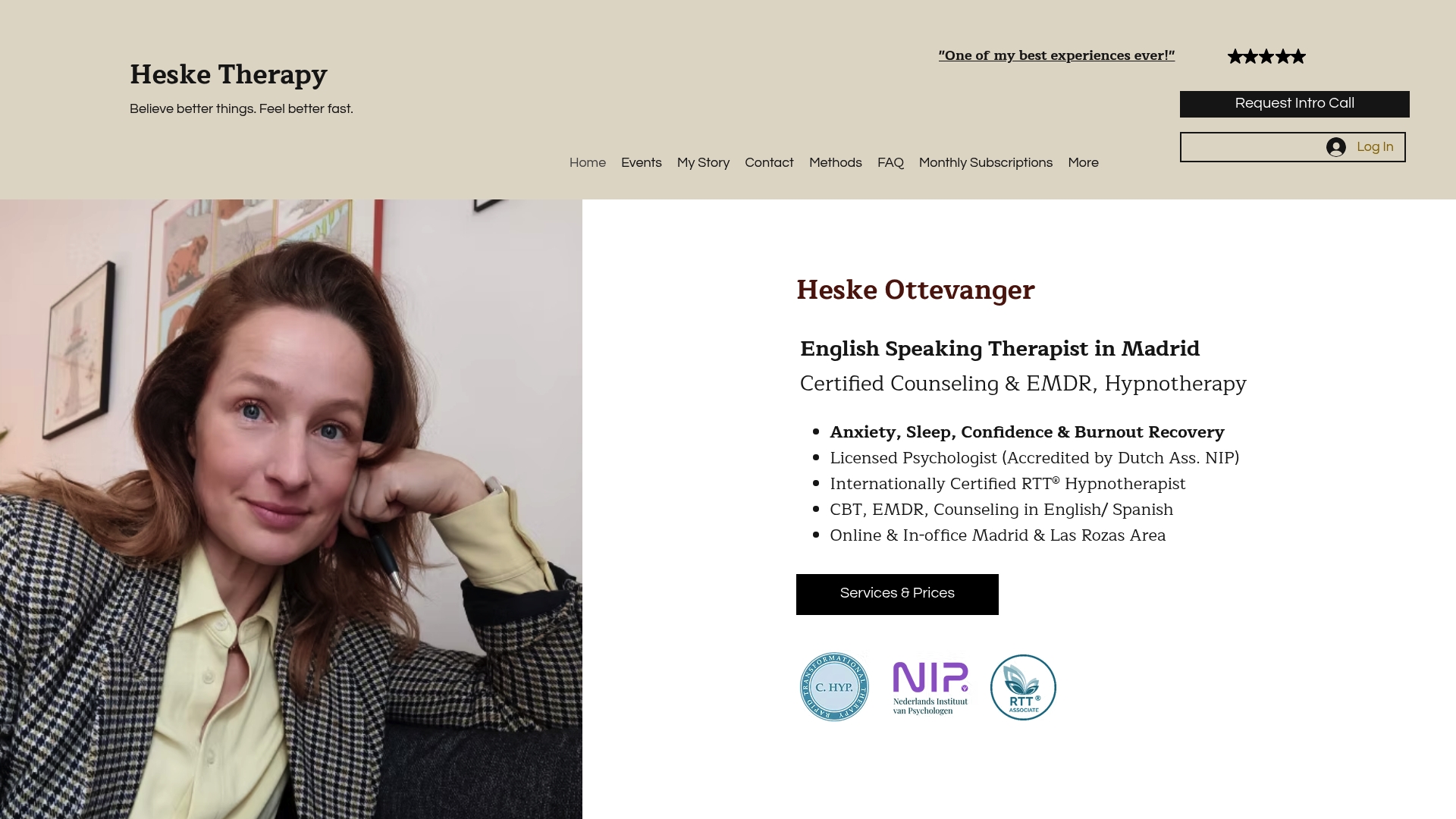
What sets Hesketherapy apart is the integration of multiple evidence-based modalities within a single, culturally sensitive practice. Whether your anxiety shows up as constant worry, panic attacks, physical symptoms, or a persistent sense that something is wrong, the work begins with understanding exactly where that pattern started. Sessions are available online, making specialist care accessible regardless of where you are based. To take the first step, book a free discovery call and find out whether RTT is the right fit for what you are carrying.
Recommended
Comments