RTT Explained: Rapid Results for Anxiety Relief

Most American expatriates in Madrid face unexpected emotional hurdles as they adjust to life abroad. Anxiety and trauma can impact daily wellbeing, and finding quick, effective therapy is a top concern. Over 60 percent of international residents report struggling with mental health challenges during their first year overseas. Rapid Transformational Therapy offers a focused solution that addresses these issues quickly. Discover how RTT provides targeted relief for anxiety, helping English-speaking expats reclaim confidence and peace of mind.
Table of Contents
Key Takeaways
Point | Details |
Rapid Transformational Therapy (RTT) Overview | RTT is a revolutionary therapeutic approach that integrates hypnotherapy, cognitive behavioral therapy, and neuro-linguistic programming to deliver quick psychological healing. |
Session Structure | RTT sessions include an intake consultation, guided hypnosis, regression exploration, belief reframing, and post-session support through personalized recordings. |
Client Involvement | Active client participation is crucial for RTT; clients remain aware and in control, working collaboratively with therapists to achieve transformation. |
Benefits for Anxiety | RTT offers a targeted method for addressing anxiety by identifying and reframing deep-rooted psychological patterns, fostering emotional resilience and coping mechanisms. |
Rapid Transformational Therapy Defined
Rapid Transformational Therapy (RTT) represents a groundbreaking therapeutic approach designed to deliver swift and profound psychological healing. Developed with cutting-edge neuroscience techniques, RTT combines multiple therapeutic methodologies to address deep-seated emotional challenges rapidly.
At its core, RTT integrates powerful evidence-based practices including hypnotherapy, cognitive behavioral therapy (CBT), and neuro-linguistic programming (NLP). The primary goal of this innovative approach is to uncover and transform subconscious limiting beliefs that often originate from childhood experiences or past traumas. By leveraging neuroplasticity, RTT enables clients to create new neural pathways, effectively reframing negative thought patterns and behaviors.
Unlike traditional long-term therapies, RTT offers a focused intervention that typically achieves significant results within one to three sessions. By directly accessing the subconscious mind, RTT helps clients rapidly identify root causes of emotional blockages, transforming deep-seated beliefs that have potentially hindered personal growth and emotional wellbeing.
Pro tip: When considering RTT, approach the therapy with an open mind and willingness to explore your subconscious patterns, as your active participation can significantly enhance the therapy’s effectiveness.
How RTT Sessions Work Step-by-Step
Rapid Transformational Therapy sessions follow a structured yet personalized approach designed to help clients breakthrough emotional barriers quickly. The comprehensive process begins with an initial intake consultation where therapists establish trust, understand the client’s specific challenges, and define clear therapeutic goals.
During the primary session, clients enter a state of deep relaxation through guided hypnosis, remaining fully conscious while accessing their subconscious mind. The therapist skillfully navigates through past memories and experiences that may be contributing to current emotional or behavioral challenges. This exploratory phase involves specialized regression techniques that help uncover the root causes of limiting beliefs, often tracing back to childhood experiences or significant emotional events.

Once the underlying issues are identified, the therapist works collaboratively with the client to reframe negative thought patterns and replace them with empowering, positive beliefs. This transformative process involves direct communication with the subconscious, enabling rapid neurological rewiring. After the session, clients receive personalized audio recordings designed to reinforce the new positive neural pathways, supporting continued psychological healing and personal growth over several weeks.
The step-by-step RTT session process can be summarized as follows:
Step | Description | Outcome |
Intake Consultation | Therapist assesses needs & goals | Personalized session plan |
Guided Hypnosis | Induces deep relaxation | Access to subconscious memories |
Regression & Exploration | Uncover root causes | Identify limiting beliefs |
Belief Reframing | Replace negatives with positives | Initiate neural rewiring |
Post-Session Support | Custom audio recordings | Reinforces new behaviors at home |
Pro tip: Before your RTT session, prepare a list of specific goals and be ready to approach the therapy with genuine openness and vulnerability, as your willingness to explore can significantly enhance the therapeutic process.
Common Misconceptions About RTT
Rapid Transformational Therapy is frequently misunderstood, with many people harboring misconceptions that can prevent them from exploring this powerful therapeutic approach. Some critics mistakenly view RTT as a quick-fix solution or magical cure for psychological challenges, when in reality, it requires active client participation and commitment to achieving meaningful transformation.
One of the most persistent myths surrounding RTT is the belief that hypnosis involves mind control or loss of personal agency. Contrary to popular misconceptions, clients remain fully aware and in control throughout the therapeutic process. The therapy is not about manipulating thoughts but rather empowering individuals to access their subconscious mind and understand the root causes of their emotional challenges. Clients are active participants, making conscious choices and collaborating with the therapist to reframe negative beliefs and patterns.
Another common misconception is that RTT is simply a trendy alternative therapy without scientific foundation. In truth, RTT integrates well-established therapeutic principles from hypnotherapy, cognitive behavioral therapy, and neuro-linguistic programming. It is a structured approach grounded in understanding human psychology, designed to create lasting change by addressing the underlying emotional and psychological mechanisms that drive behavior. The therapy is not a magic solution but a strategic method for personal transformation that requires engagement, openness, and willingness to explore deep-seated emotional patterns.
Pro tip: Before dismissing RTT, approach it with an open mind and realistic expectations, understanding that meaningful psychological change requires your active participation and commitment.
Key Benefits and Use Cases for Anxiety
Rapid Transformational Therapy offers a powerful and targeted approach for individuals struggling with anxiety, providing a comprehensive method to address emotional challenges at their deepest psychological roots. RTT combines multiple therapeutic modalities to create a holistic strategy for anxiety relief, focusing on reframing negative beliefs and developing emotional resilience.
The therapy’s primary benefit lies in its ability to quickly access and transform subconscious patterns that fuel anxiety. Unlike traditional talk therapies that may take months or years to produce results, RTT can help clients understand and resolve the underlying emotional triggers in just a few sessions. By integrating techniques from hypnotherapy, cognitive behavioral therapy, and neuro-linguistic programming, RTT provides clients with practical tools for self-regulation and emotional management. This approach is particularly effective for individuals experiencing generalized anxiety disorder, panic attacks, social anxiety, and stress-related emotional challenges.
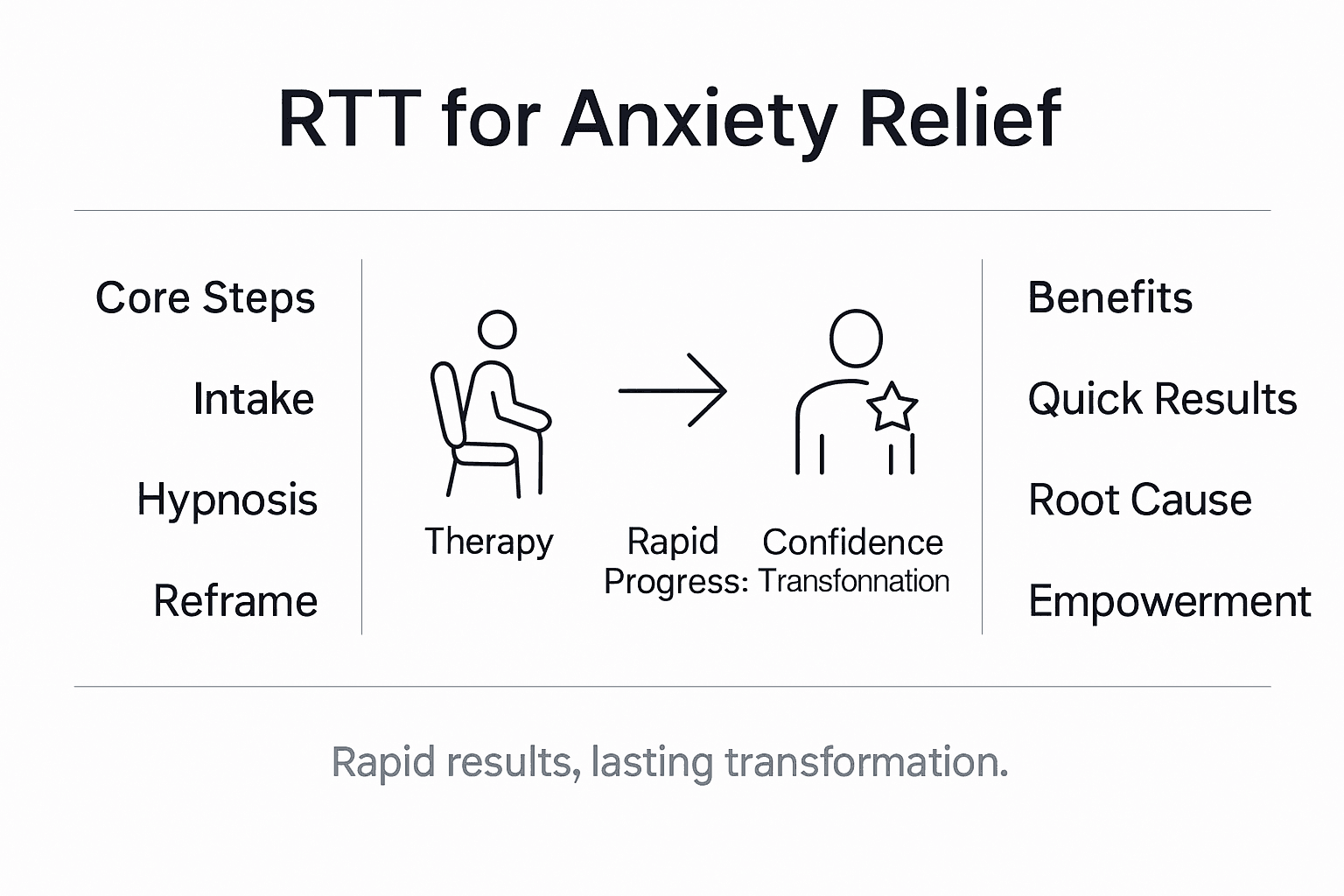
Specifically, RTT can help clients develop strategies for managing anxiety by uncovering and addressing the root causes of their emotional distress. The therapy empowers individuals to recognize and interrupt negative thought patterns, build emotional resilience, and create new, healthier neural pathways. Clients learn to replace fear-based responses with confident, balanced emotional reactions, ultimately transforming their relationship with anxiety and developing more effective coping mechanisms.
Pro tip: When considering RTT for anxiety, approach the therapy with an open mind and commitment to personal transformation, understanding that your active participation is key to achieving lasting emotional relief.
Risks, Limitations, and Safety Considerations
Rapid Transformational Therapy offers powerful therapeutic potential, but like any psychological intervention, it is essential to understand its potential risks and limitations. Professionals recognize that RTT is not a universal solution and requires careful consideration of individual client needs and circumstances, particularly for individuals with complex psychological backgrounds.
One significant limitation of RTT is the current lack of extensive scientific research validating its comprehensive effectiveness across all psychological conditions. While many clients report positive outcomes, the therapy’s relatively recent emergence means that long-term studies are still emerging. This limitation suggests that RTT should be viewed as a complementary approach rather than a standalone treatment, especially for individuals with severe mental health conditions or complex trauma histories. Clients should approach RTT with realistic expectations and ideally integrate it into a broader, comprehensive mental health strategy.
Safety considerations are paramount when exploring RTT. Potential clients should thoroughly vet their therapist’s credentials, ensuring they are professionally trained and certified in both RTT techniques and broader psychological practice. Individuals with a history of severe mental health disorders, dissociative conditions, or recent psychological trauma should consult with their primary mental health provider before beginning RTT. The therapy’s intensive approach of accessing subconscious memories can be emotionally intense, making it crucial to work with a highly skilled and empathetic practitioner who can navigate potential psychological sensitivities.
Pro tip: Always discuss your complete medical and psychological history with your RTT practitioner before beginning treatment, and maintain open communication about your comfort level throughout the therapeutic process.
Comparing RTT to Other Therapy Approaches
Rapid Transformational Therapy stands distinctly apart from traditional therapeutic methodologies by offering a more direct and targeted approach to psychological healing. Unlike conventional talking therapies that can extend over months or years, RTT focuses on rapidly identifying and transforming the root causes of emotional challenges through an integrative, neurologically informed process.
Where traditional cognitive behavioral therapy (CBT) might spend extensive time analyzing thought patterns, and psychoanalysis could require years of deep exploration, RTT takes a more streamlined approach. The therapy combines elements from multiple psychological disciplines, including hypnotherapy, NLP, and psychotherapy, to create a comprehensive yet time-efficient intervention. This method allows clients to access and reframe subconscious beliefs more quickly, potentially achieving significant breakthroughs in just a few sessions compared to the prolonged timelines of traditional therapeutic models.
Key differentiators of RTT include its emphasis on neuroplasticity and direct subconscious communication. While many therapy approaches work primarily with conscious thought processes, RTT goes deeper by accessing the subconscious mind, enabling more fundamental and lasting psychological transformation. This approach is particularly powerful for addressing deeply ingrained emotional patterns, trauma responses, and limiting beliefs that often remain unresolved in more surface-level therapeutic interventions. The therapy’s unique blend of techniques allows for a more holistic and rapid approach to personal psychological development.
Here’s a comparison of Rapid Transformational Therapy (RTT) and traditional therapy approaches:
Aspect | Rapid Transformational Therapy (RTT) | Traditional Therapy |
Duration | 1-3 sessions for major change | Months or years needed |
Core Techniques | Hypnotherapy, CBT, NLP mix | Single approach, e.g., talk therapy |
Subconscious Access | Direct through hypnosis | Indirect or not addressed |
Focus | Rapid root cause resolution | Gradual symptom management |
Client Role | Active, open participation | Regular attendance, variable engagement |
Pro tip: When exploring different therapy options, prioritize understanding the specific methodology and how it aligns with your personal psychological needs and goals.
Experience Lasting Anxiety Relief with Rapid Transformational Therapy at Heske Therapy
If anxiety controls your life despite your efforts to find fast and effective relief this article about Rapid Transformational Therapy (RTT) offers hope and a clear path forward. RTT focuses on identifying and transforming deep subconscious beliefs that fuel anxiety through a powerful blend of hypnotherapy CBT and NLP. At Heske Therapy in Madrid we specialize in these integrative approaches tailored especially for English-speaking expatriates and international clients facing emotional blocks stress and related anxiety symptoms.
Why Heske Therapy is your ideal partner:
Personalized RTT sessions designed to access and reframe your root causes of anxiety
A compassionate and clinical environment supporting rapid yet lasting emotional breakthroughs
Flexible treatment options available both online and in-office tailored to your lifestyle
Discover how RTT can create new empowering neural pathways and help you reclaim calm and confidence. Begin your journey from persistent anxiety to emotional freedom at Heske Therapy today.
Take the first step toward transforming your anxiety into resilience. Schedule your free discovery call now and explore customized RTT-based therapies and supportive solutions designed just for you at Heske Therapy. Empower yourself to live with less worry and more peace.
Frequently Asked Questions
What is Rapid Transformational Therapy (RTT)?
Rapid Transformational Therapy (RTT) is a unique therapeutic approach that combines hypnotherapy, cognitive behavioral therapy (CBT), and neuro-linguistic programming (NLP) to rapidly address emotional challenges by transforming subconscious limiting beliefs.
How many sessions of RTT are typically needed for anxiety relief?
RTT usually requires only 1 to 3 sessions to achieve significant results in anxiety relief, in contrast to traditional therapies that may take months or years.
What should I expect during an RTT session?
During an RTT session, clients will experience guided hypnosis to access their subconscious mind, allowing therapists to identify and reframe negative beliefs, followed by personalized audio recordings for continued support.
Are there any risks associated with RTT?
While RTT is generally safe, it’s important for clients to choose a qualified practitioner and discuss any mental health history prior to starting therapy, especially if they have severe psychological conditions or recent trauma.
Recommended
Comments