7 Essential Trauma Recovery Techniques for Expats

Relocating to a new country can magnify feelings of isolation and vulnerability, especially if you have experienced significant emotional trauma. Adjusting to a different culture while carrying the weight of past distress makes daily life feel overwhelming at times. Without the right strategies, the path to healing can seem unclear and lonely.
The relief is that practical solutions exist. By understanding the deep impact of trauma and learning how to create safety, you can take real steps toward recovery. These actionable techniques will help you reclaim a sense of control, rebuild trust in yourself and others, and find your footing during major life transitions.
Get ready for clear advice and empowering insights specifically tailored for expatriates. Each strategy is designed to support your emotional well-being and offer hope, no matter where your journey takes you.
Table of Contents
Quick Summary
Takeaway | Explanation |
1. Recognize trauma symptoms early | Identify signs of trauma such as anxiety and emotional numbness to initiate your healing journey. |
2. Create a supportive recovery environment | Establish physical and emotional safety to promote healing and prevent further trauma responses. |
3. Practice grounding and mindfulness daily | Use techniques like deep breathing to reconnect with the present and reduce overwhelming emotions. |
4. Explore Rapid Transformational Therapy (RTT) | RTT offers quick recovery through subconscious healing, making it effective for complex expatriate trauma. |
5. Build a strong personal support network | Connect with empathetic individuals, professionals, and community resources to enhance your recovery process. |
1. Understanding Trauma and Its Effects
Trauma is far more than a single event it is a profound psychological experience that can reshape how individuals perceive and interact with the world. For expatriates navigating unfamiliar environments, understanding trauma becomes especially critical.
At its core, trauma represents an emotional response to an overwhelming experience that exceeds an individual’s ability to cope. Psychological research reveals trauma’s complex neurological impacts demonstrating how such experiences can fundamentally alter brain functioning and emotional regulation.
When trauma occurs particularly for expats who may feel disconnected from traditional support systems the psychological consequences can be profound. These might include persistent anxiety, hypervigilance, emotional numbness, disrupted sleep patterns, and challenges forming meaningful connections.
Key Psychological Effects of Trauma:
Heightened stress responses
Difficulty trusting others
Potential development of post traumatic stress disorder
Increased vulnerability to depression and anxiety
Disrupted interpersonal relationships
Expats experiencing trauma often face unique challenges. Cultural differences language barriers and geographical isolation can compound traumatic experiences making recovery more complex. Recognizing these symptoms represents the crucial first step toward healing.
Pro tip: Create a personal emotional safety toolkit including grounding techniques relaxation methods and contact information for local mental health professionals who understand expatriate experiences.
2. Creating a Safe and Supportive Space
Recovering from trauma requires more than professional intervention it demands a carefully constructed environment that promotes healing and emotional security. For expatriates navigating complex emotional landscapes, understanding how to create a truly safe space becomes paramount.
Trauma recovery fundamentally depends on establishing psychological safety which involves creating an environment where individuals feel completely protected physically and emotionally. This means developing spaces that communicate predictability trust and genuine compassion.
Key Elements of a Safe Recovery Space:
Physical comfort and security
Emotional validation
Predictable and consistent interactions
Non judgmental atmosphere
Personal control and autonomy
For expats this process involves multiple layers. Your safe space might include personal living arrangements professional therapy settings trusted friend networks and digital communication platforms that feel secure and supportive.
Practical strategies for creating safety involve establishing clear boundaries communicating openly about your needs and surrounding yourself with individuals who understand trauma responses. This means selecting therapists friends and professional contacts who demonstrate patience empathy and respect for your healing journey.
Physical environments also play a crucial role. Choose spaces that feel calm quiet and where you have control. This might mean creating a specific corner in your home for relaxation designing a peaceful workspace or selecting therapy locations that feel welcoming and secure.
Pro tip: Design a personal sanctuary space in your home with soft lighting comfortable seating and meaningful objects that represent safety and calm recovery.
3. Practicing Grounding and Mindfulness Daily
Trauma can disconnect you from the present moment leaving you feeling scattered and overwhelmed. Grounding techniques provide a powerful pathway back to emotional stability.
Mindfulness and grounding are essential recovery strategies that help expatriates reconnect with their immediate physical and emotional experiences. These practices interrupt traumatic thought patterns by redirecting attention to the present moment reducing anxiety and restoring a sense of personal control.
Core Grounding Techniques:
5 4 3 2 1 sensory awareness method
Deep breathing exercises
Body scan meditation
Physical movement and stretching
Intentional tactile interactions
As an expat navigating complex emotional terrain you can integrate these techniques seamlessly into daily life. Start with short five minute sessions focusing on your breath your physical sensations or your immediate environment. The goal is creating moments of calm and presence amid potential emotional turbulence.
Neuroscientific research demonstrates that consistent mindfulness practice actually rewires brain circuits associated with trauma responses. By regularly practicing these techniques you can gradually reduce hyperarousal retrain your nervous system and develop greater emotional resilience.
Specific strategies might include morning meditation listening to grounding audio recordings during commutes or using smartphone apps that guide you through quick mindfulness exercises. The key is consistency and gentle self compassion.
Pro tip: Create a portable grounding kit with sensory items like a smooth stone lavender essential oil or a textured bracelet to quickly reconnect with the present moment during stressful situations.
4. Using Rapid Transformational Therapy (RTT)
Rapid Transformational Therapy represents a powerful approach to healing emotional wounds especially for expatriates struggling with complex trauma. Innovative therapy techniques can unlock subconscious healing pathways in ways traditional talk therapy cannot.
RTT combines multiple therapeutic approaches including hypnotherapy cognitive behavioral therapy and neurolinguistic programming to create swift targeted interventions. Unlike traditional long term therapies RTT aims to resolve psychological challenges in just one to three sessions by directly accessing the subconscious mind.
Key Components of RTT:
Hypnotic regression
Identifying root emotional causes
Reframing negative belief systems
Rapid neural reprogramming
Personalized healing strategies
For expatriates experiencing trauma RTT offers a unique opportunity to address deeply embedded emotional patterns that might be disrupting your ability to adapt and thrive in a new environment. The therapy works by helping you understand the origin of your emotional blocks and immediately replacing them with empowering narratives.
The process typically involves a comprehensive intake session followed by a transformative therapeutic intervention. During this time your therapist guides you through a deep exploration of your subconscious revealing hidden emotional triggers and providing immediate tools for healing.
While RTT can produce remarkable results experts caution that proper screening and professional guidance are essential particularly for individuals with complex trauma histories. Working with a trained RTT practitioner ensures a safe supportive approach to emotional recovery.
Pro tip: Before beginning RTT research practitioners thoroughly verify their credentials and specific experience working with expatriate trauma experiences.
5. Exploring EMDR for Emotional Relief
Eye Movement Desensitization and Reprocessing (EMDR) offers expatriates a powerful pathway to healing from complex emotional trauma. Advanced trauma treatment techniques can transform psychological healing in remarkable ways.
EMDR is a clinically validated therapy that helps individuals reprocess traumatic memories by utilizing bilateral stimulation typically through guided eye movements. This unique approach allows your brain to process difficult experiences differently reducing their emotional charge and helping you move forward.
Core EMDR Treatment Components:
Bilateral sensory stimulation
Memory reprocessing techniques
Emotional desensitization
Neurological reprogramming
Targeted trauma resolution
For expatriates experiencing displacement trauma cultural shock or accumulated stress EMDR provides a structured yet flexible approach to emotional healing. The therapy helps you transform painful memories from overwhelming experiences into more manageable narratives without requiring extensive verbal processing.
The treatment typically involves eight phases beginning with comprehensive history taking and moving through memory targeting preparation and reprocessing stages. Your therapist will guide you through each stage ensuring you feel safe supported and in control throughout the therapeutic journey.
Research demonstrates EMDR can be effectively delivered both in person and online making it particularly accessible for international clients who might have limited local therapeutic resources. This flexibility ensures you can access high quality trauma support regardless of your current geographical location.
Pro tip: When considering EMDR research practitioners who have specific experience working with expatriate populations and cross cultural trauma experiences.
6. Applying CBT to Reframe Negative Thoughts
Cognitive Behavioral Therapy offers expatriates a powerful toolkit for understanding and transforming persistent negative thought patterns. Cognitive techniques can dramatically reshape psychological responses to challenging experiences.
CBT operates on a fundamental principle that our thoughts directly influence our emotional experiences and behavioral responses. For expats navigating complex cultural transitions this means learning to identify and challenge automatic negative thoughts that might emerge from displacement stress trauma or cultural disorientation.
Core CBT Thought Reframing Strategies:
Identifying cognitive distortions
Challenging negative thought patterns
Developing alternative perspectives
Creating evidence based thinking
Practicing emotional regulation
The process involves systematically examining your thoughts recognizing when they are unrealistic or unhelpful and consciously replacing them with more balanced constructive interpretations. This might mean transforming a thought like I will never belong here into a more nuanced I am in the process of adapting and learning.
Understanding your specific cognitive patterns requires consistent practice. Start by keeping a thought journal documenting negative thoughts their triggers and potential alternative interpretations. This helps you develop metacognitive awareness tracking how your mind constructs narratives about your experiences.
As an expat your unique position offers both challenges and opportunities for psychological growth. CBT provides a structured approach to understanding how cultural displacement cultural shock and traumatic experiences might be shaping your internal dialogue.
Pro tip: Create a personal thought challenging worksheet with three columns documenting automatic negative thoughts evidence that supports or contradicts them and balanced alternative interpretations.
7. Building a Personal Support Network
Navigating trauma recovery as an expatriate requires more than individual resilience it demands a strategic and compassionate support system. Effective support networks transform healing trajectories by providing essential emotional scaffolding during challenging transitions.
A robust support network goes beyond casual friendships it represents a carefully curated ecosystem of relationships designed to provide emotional stability psychological safety and practical assistance during your recovery journey.
Support Network Components:
Trauma informed professionals
Empathetic peer groups
Consistent personal connections
Cultural understanding allies
Practical resource providers
For expatriates this network becomes even more critical. Your support system should include individuals who understand the unique challenges of international relocation cultural adaptation and emotional displacement. This might involve connecting with other expats mental health professionals local community groups and understanding family members or friends.
Building such a network requires intentional effort. Start by identifying individuals who demonstrate consistent empathy active listening skills and a genuine commitment to understanding your experiences. Seek out professionals therapists support groups and community resources specifically experienced with expatriate mental health challenges.
Remember that support networks are dynamic. Not everyone will understand your specific trauma journey and that is acceptable. Focus on quality connections that provide genuine understanding validation and practical support rather than quantity of relationships.
Pro tip: Create a personal support map categorizing different types of support emotional practical informational and crisis resources available to you both locally and internationally.
Below is a comprehensive table summarizing the main concepts, strategies, and takeaways discussed throughout the article on trauma understanding, recovery, and support for expatriates.
Topic | Description | Strategies/Outcomes |
Understanding Trauma | Trauma influences perception, emotional regulation, and interpersonal connections. | Recognize symptoms and consider professional support for recovery. |
Safe and Supportive Spaces | Creating environments that promote physical and emotional security. | Provide clear, predictable, and compassionate spaces with positive interactions. |
Grounding and Mindfulness | Practices that connect individuals with the present moment and reduce distress. | Engage in sensory awareness exercises, deep breathing, meditation, and consistent mindfulness. |
Rapid Transformational Therapy | A combination of hypnotherapy, CBT, and other approaches to challenge subconscious beliefs. | Resolve internalized emotional blocks swiftly through targeted sessions. |
EMDR Therapy | Reprocess traumatic memories using bilateral stimulation for emotional desensitization. | Work through structured therapy sessions involving memory reprocessing and relief. |
Cognitive Behavioral Therapy (CBT) | Focuses on identifying and restructuring negative thought patterns and promoting evidence-based thinking. | Maintain a thought journal and practice thought-challenging techniques. |
Building Personal Support Networks | Curate a group of supportive individuals or professionals to aid in recovery and adaptation. | Develop relationships with empathetic listeners, trauma practitioners, and culturally aware groups. |
Empower Your Trauma Recovery Journey with Expert Support
Recovering from trauma as an expatriate means confronting unique challenges—from cultural disorientation to emotional isolation. This article highlights how techniques like Rapid Transformational Therapy, EMDR, and CBT can help you reclaim control and foster resilience through specialized trauma-focused care. If you recognize feelings of anxiety, emotional blocks, or difficulty adapting, it is essential to access tailored support that understands your specific experience.
At Heske Therapy, based in Madrid, we specialize in mental health services designed specifically for English-speaking expatriates facing trauma and related challenges. Our integrative approach combines proven methods including Rapid Transformational Therapy (RTT), EMDR, and CBT to deliver rapid and lasting emotional relief in a compassionate, multicultural environment. Whether you prefer online or in-office sessions, we create personalized treatment plans that address your distinct needs with cultural sensitivity and clinical expertise.
Take control of your healing today by exploring our psychotherapy services that bridge science with empathy to support your journey.
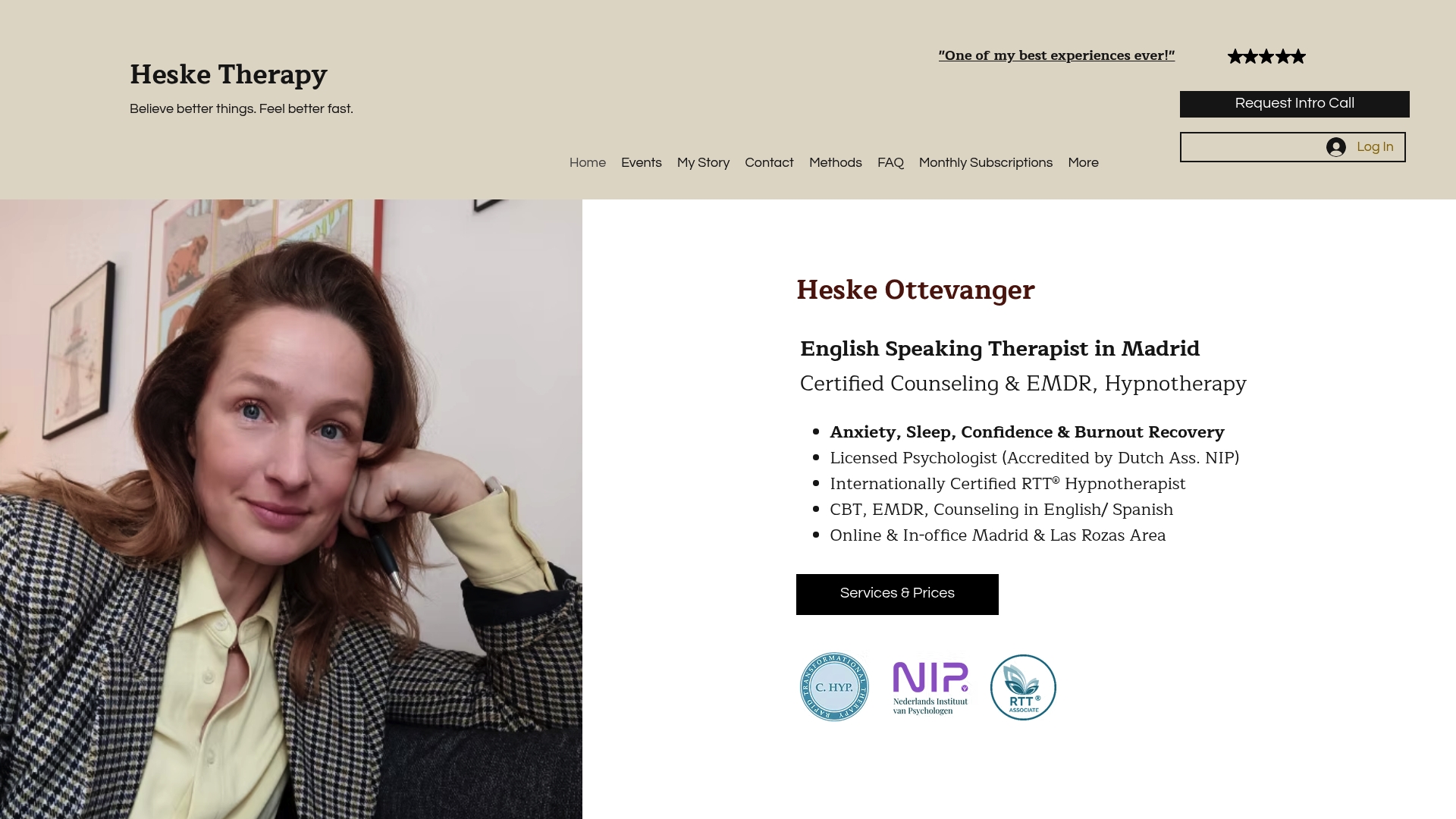
Ready to embrace lasting trauma recovery tailored for expatriates? Schedule your free discovery call now at Heske Therapy and start transforming your life with expert care designed around you.
Frequently Asked Questions
What grounding techniques can help expats reconnect with the present moment?
Grounding techniques, such as the 5-4-3-2-1 sensory awareness method and deep breathing exercises, can assist expatriates in reducing anxiety and achieving emotional stability. Start by dedicating just five minutes each day to practice these techniques for increased calmness and presence.
How can I create a supportive environment for trauma recovery as an expat?
To create a supportive environment, focus on establishing physical comfort, emotional validation, and clear boundaries in your living and therapy spaces. Begin by designing a personal sanctuary in your home with calming elements like soft lighting and comforting seating arrangements to enhance your sense of safety.
What role does Rapid Transformational Therapy (RTT) play in expat trauma recovery?
Rapid Transformational Therapy incorporates hypnotherapy and cognitive behavioral techniques to access the subconscious and address deep-rooted emotional issues quickly. Consider scheduling a session with a trained RTT practitioner to explore and reframe your emotional experiences within just one to three sessions.
How can I build a personal support network as an expatriate?
Build a personal support network by connecting with trauma-informed professionals, empathetic peers, and local community resources that understand the unique challenges of expatriate life. Start by identifying three to five individuals or groups in your community who can provide emotional and practical support during your recovery journey.
What is Cognitive Behavioral Therapy (CBT) and how can it help expats?
Cognitive Behavioral Therapy helps individuals identify and reframe negative thought patterns that may emerge from trauma or cultural displacement. Begin this process by maintaining a thought journal to document and challenge your negative thoughts, and aim to replace at least one automatic negative thought with a balanced perspective daily.
How can mindfulness practices be integrated into daily life for expats?
Mindfulness practices can be integrated into daily life through short meditation sessions or grounding exercises that focus on the present moment. Set a goal to practice mindfulness techniques for at least five minutes each morning to cultivate greater emotional resilience.
Recommended
Comments