How to Overcome Trauma Naturally: A Step-by-Step Guide

Living in Madrid as an English-speaking expatriate can bring both excitement and unexpected emotional hurdles. When trauma or deep emotional blocks disrupt your sense of well-being, the path to healing may feel unclear and isolating in a new cultural setting. Starting with recognizing and naming your trauma is a powerful first move, supported by research that highlights the importance of understanding these experiences for your recovery. This guide outlines essential steps for building a supportive environment and explores proven therapy methods tailored to your unique journey.
Table of Contents
Quick Summary
Key Point | Explanation |
1. Acknowledge Your Trauma | Recognizing and naming your trauma is essential for initiating emotional healing and self-awareness. |
2. Create a Safe Environment | A supportive and nurturing space aids in recovery; include calming elements and emotional boundaries. |
3. Explore Effective Therapies | Research evidence-based therapy methods like CBT and EMDR to find the best treatment for your needs. |
4. Implement Daily Healing Practices | Consistent practices such as journaling and mindfulness bolster emotional regulation and empowerment. |
5. Track Your Healing Process | Monitor emotional and physical changes regularly, discussing insights with your therapist for optimal adjustments. |
Step 1: Recognize and Name Your Trauma
Understanding and naming your trauma represents a powerful first step toward healing. By examining trauma’s complex dimensions, you begin the transformative process of acknowledging your emotional experiences and reclaiming your personal narrative.
Recognizing trauma involves honest self reflection and careful observation of your emotional and physical responses. Start by identifying specific experiences that have deeply impacted you emotionally. These might include childhood incidents, workplace harassment, relationship difficulties, sudden losses, or prolonged periods of stress. Pay attention to your body’s signals fear responses, unexpected emotional reactions, recurring nightmares, or persistent anxiety that seem disconnected from current circumstances.
The goal is not to diagnose yourself but to develop compassionate awareness. Listen to your internal experiences without judgment. Write down memories, feelings, and physical sensations that feel connected to past difficult experiences. Trauma research confirms understanding individual experiences as a crucial step toward emotional healing.
Pro tip: Consider working with a professional therapist who specializes in trauma recovery to help you navigate this sensitive process safely and effectively.
Step 2: Create a Supportive Healing Environment
Building a safe and nurturing environment is crucial for trauma recovery. Healthcare design principles highlight psychological healing spaces that can significantly support your emotional journey and promote wellness.
Start by transforming your personal space into a sanctuary of healing. Choose soft neutral colors that feel calming and create gentle visual comfort. Incorporate natural elements like plants, which reduce stress and increase feelings of peace. Position furniture to create open pathways and minimize feelings of confinement. Ensure your space has access to natural light and include soft textiles and comfortable seating that help you feel secure.

Consider establishing emotional boundaries in your healing environment. This means curating your social interactions and media consumption. Limit exposure to triggering content or people who do not support your recovery. Create designated areas for relaxation meditation and journaling. Surround yourself with supportive friends family members or support resources for expats who understand your healing process.
Pro tip: Design a dedicated healing corner in your living space with items that represent safety comfort and hope such as soft blankets meaningful photographs or calming artwork.
Step 3: Explore Evidence-Based Therapy Methods
Evidence-based trauma therapies offer scientifically validated approaches to healing psychological wounds. Understanding different therapeutic methods can help you choose the most effective treatment strategy for your unique healing journey.
Explore multiple trauma treatment approaches that have demonstrated proven results. Cognitive Processing Therapy (CPT) and Prolonged Exposure (PE) are two powerful methods backed by extensive research. Systematic reviews highlight specific trauma therapy techniques that address complex emotional responses. Consider therapies like Rapid Transformational Therapy (RTT), Eye Movement Desensitization and Reprocessing (EMDR), and Cognitive Behavioral Therapy (CBT). Each method approaches trauma from a different perspective targeting various aspects of psychological healing.
Research your options carefully and consult with a professional therapist who specializes in trauma recovery. Understand that no single approach works universally. Your therapist can help you navigate trauma therapy approaches and develop a personalized treatment plan that addresses your specific emotional needs.
Pro tip: Request detailed information about each therapy method during initial consultations and ask about success rates specific to your type of traumatic experience.
Here’s a summary of commonly used evidence-based trauma therapy methods and their focus areas:
Therapy Method | Core Focus | Typical Duration |
Cognitive Processing | Restructure trauma beliefs | 12-16 sessions |
Prolonged Exposure | Gradual trauma exposure | 8-15 sessions |
EMDR | Eye movement processing | 6-12 sessions |
CBT | Behavior/thought patterns | 8-20 sessions |
RTT | Transform subconscious | 1-4 intensive sessions |
Step 4: Practice Daily Healing Techniques
Mindfulness-based interventions offer powerful tools for supporting your trauma recovery journey. Daily healing techniques can help regulate emotions reduce stress and create a sense of personal empowerment.
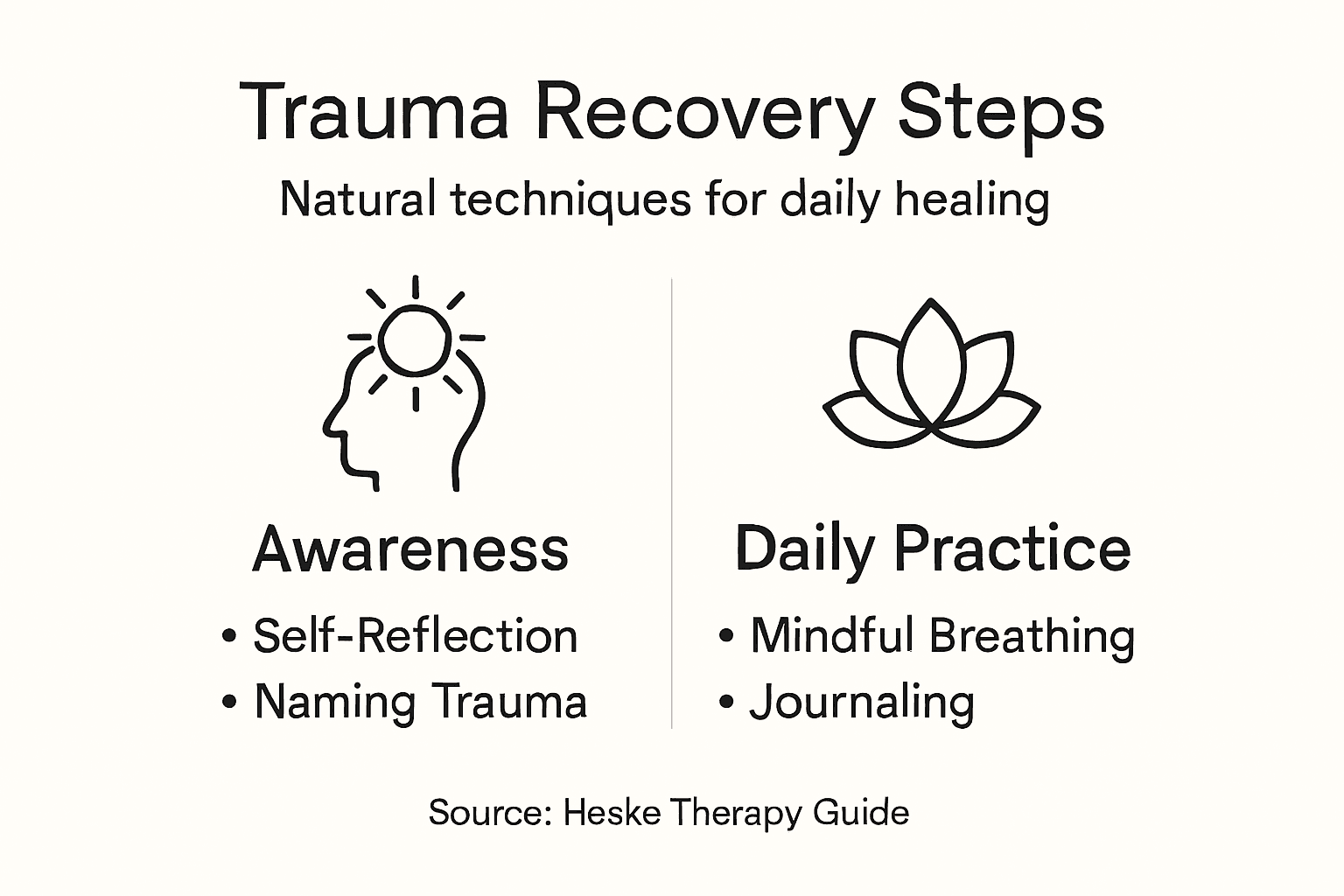
Incorporate structured journaling as a key healing practice. Structured journaling approaches support trauma recovery by providing a safe space to process emotions and track your healing progress. Begin with simple prompts like writing about your daily experiences identifying emotional triggers or exploring moments of resilience. Create a consistent journaling routine perhaps dedicating 10-15 minutes each morning or evening to reflect and process your feelings.
Develop a holistic daily healing routine that includes meditation breathwork grounding exercises and gentle movement. Practice mindfulness techniques that help you stay present and connected to your body. Consider exploring short meditation sessions gentle yoga or walking in nature. Remember that healing is a personal journey and what works for one person might differ for another.
Pro tip: Start with short 5-minute daily practices and gradually increase duration as you become more comfortable with your healing techniques.
Step 5: Track Progress and Adjust Your Approach
Trauma-informed care requires continuous monitoring and adaptive strategies to support your healing journey. Understanding your progression helps you build resilience and make informed decisions about your recovery path.
Develop a personal tracking system that allows you to observe subtle changes in your emotional landscape. Create a simple journal or digital document where you record weekly emotional states physical sensations and personal insights. Note moments of breakthrough challenging periods and gradual improvements. Long-term outcome tracking supports recovery trajectories by providing clear evidence of your healing progress and identifying areas requiring additional support.
Be compassionate with yourself during this process. Progress is rarely linear in trauma recovery. Some weeks will feel more challenging than others. Learn to recognize patterns in your emotional responses without judgment. Discuss your tracking insights with your therapist who can help you interpret the data and suggest targeted interventions or adjustments to your healing strategy.
Pro tip: Use a consistent tracking method like a weekly rating scale for emotional states and energy levels to help you objectively measure your healing progress.
To help you monitor healing, here are key aspects to track over time:
Tracking Aspect | Example Metrics | Adjustment Tips |
Emotional States | Weekly mood ratings | Increase support when low |
Physical Sensations | Energy level, sleep quality | Adjust routines as needed |
Insights | Breakthrough reflections | Discuss trends with therapist |
Challenge Periods | Noted difficulties | Plan for coping strategies |
Take Control of Your Trauma Healing Journey Today
Overcoming trauma naturally takes courage and effective strategies that address both emotional and physical challenges. If you recognize patterns of anxiety, emotional blocks, or stress triggered by past experiences you deserve professional guidance tailored to your unique needs. Heske Therapy in Madrid offers specialized psychotherapy services designed for English-speaking expatriates who want rapid, lasting healing through proven methods like Rapid Transformational Therapy (RTT), EMDR, and Cognitive Behavioral Therapy (CBT). With personalized treatment plans integrating these evidence-based therapies you can reclaim your peace and resilience.
When trauma feels overwhelming, immediate support matters. Explore our integrative therapy solutions and experience compassionate care from therapists who understand your multicultural background. Start your journey with a free discovery call that puts your healing first.
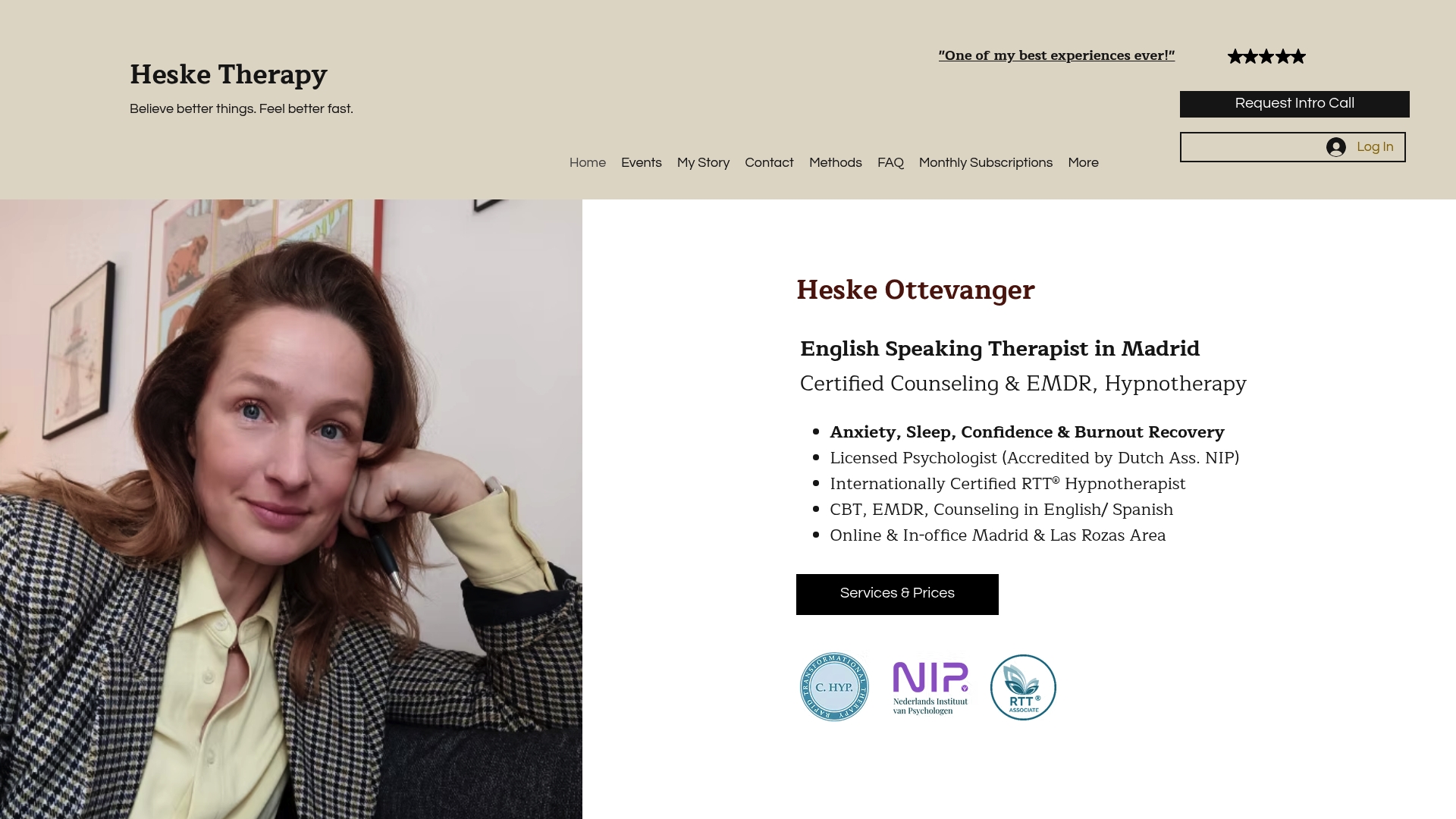
Begin natural trauma recovery now with expert support that respects your story and delivers real results. Visit Heske Therapy to schedule your free consultation and take the first step toward a healthier future.
Frequently Asked Questions
How can I recognize my trauma to begin healing?
Understanding your trauma starts with honest self-reflection and recognizing emotional and physical responses. List specific experiences that have affected you deeply, such as childhood incidents or workplace challenges, and note how you feel when you think about them.
What steps can I take to create a supportive environment for healing?
Transform your personal space into a calming sanctuary by incorporating soft colors, natural elements, and comfortable furnishings. Dedicate areas for relaxation and set emotional boundaries by limiting interactions that do not support your recovery.
Which evidence-based therapy methods should I consider for trauma recovery?
Explore therapies like Cognitive Processing Therapy, Prolonged Exposure, and Eye Movement Desensitization and Reprocessing. Research their approaches and consult with a professional to see which method aligns best with your healing journey.
How do I integrate daily healing techniques into my routine?
Incorporate mindfulness practices such as meditation, journaling, and gentle movement into your daily life. Start with short sessions of 5 minutes and gradually increase the duration as you become comfortable with each practice.
How can I track my progress while overcoming trauma?
Develop a personal tracking system to log your emotional states, physical sensations, and insights weekly. Use consistent methods, such as rating scales, to measure changes and discuss your findings with a therapist for guidance on adjustments in your approach.
What are some examples of daily healing practices I can start immediately?
Begin by implementing structured journaling to reflect on your emotions and experiences, and try mindfulness techniques like short meditation sessions or nature walks. Aim to dedicate just 10-15 minutes each day to these practices for gradual impact.
Recommended
Comments