How to recognize burnout symptoms and find relief in Madrid
- Heske Ottevanger
- Mar 20
- 7 min read


Living abroad in Madrid can feel exhilarating at first, but many expats eventually notice persistent exhaustion, emotional numbness, or declining motivation that doesn’t improve with rest. These aren’t just signs of a busy schedule. Burnout involves emotional exhaustion, depersonalization, and diminished personal accomplishment, and recognizing these symptoms early makes recovery faster and more effective. This guide walks you through identifying burnout symptoms specific to expat life, preparing for honest self-assessment, and taking actionable steps toward relief and renewed wellbeing.
Table of Contents
Understanding Burnout: What It Looks Like For Expats In Madrid
Preparing To Identify Your Burnout Symptoms: What You Need To Know
Step-By-Step Guide: How To Recognize Burnout Symptoms Effectively
Common Mistakes And What To Expect When Identifying Burnout Symptoms
Start Your Recovery Journey With Expert RTT Therapy In Madrid
Key takeaways
Point | Details |
Burnout differs from stress | Chronic emotional exhaustion and detachment persist beyond typical stress patterns |
Expat life intensifies symptoms | Cultural adjustment, language barriers, and social isolation compound burnout triggers |
Early recognition accelerates recovery | Identifying symptoms within weeks enables faster intervention and better outcomes |
Self-monitoring builds awareness | Daily tracking of mood and energy reveals patterns invisible during busy routines |
Professional support transforms results | Specialized therapy like RTT addresses root causes for lasting relief |
Understanding burnout: what it looks like for expats in Madrid
Burnout isn’t just feeling tired after a long week. It’s a state of chronic physical and emotional depletion that doesn’t improve with typical rest or vacation. For expatriates navigating life in Madrid, the condition often develops gradually as cultural stressors, work demands, and social isolation compound over months.
The workflow for burnout recovery starts with understanding three core dimensions. Emotional exhaustion leaves you feeling drained and unable to face another day. Depersonalization creates cynicism and emotional distance from work, relationships, or activities you once enjoyed. Reduced personal accomplishment makes you question your competence and feel ineffective despite effort.
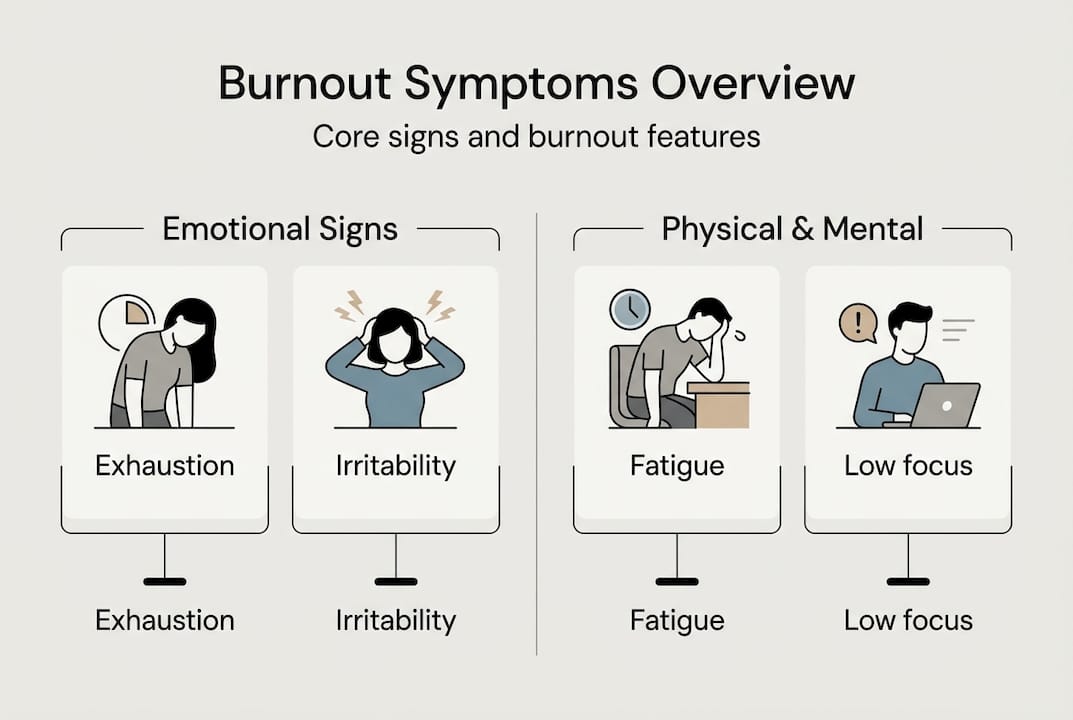
Expats face unique burnout triggers that locals rarely encounter simultaneously. You’re managing a new language, unfamiliar workplace culture, different social norms, and possibly visa stress. Meanwhile, your support network sits thousands of miles away across time zones. The constant low-level stress of navigating daily tasks in a foreign environment depletes your reserves faster than you realize.
Many expats dismiss early symptoms as normal adjustment challenges. You might think feeling constantly overwhelmed is just part of living abroad, or that emotional flatness will pass once you settle in. This misattribution delays recognition and allows burnout to deepen.
Watch for these symptom categories:
Emotional signs: irritability, anxiety, feeling trapped, loss of enjoyment, emotional numbness
Physical manifestations: chronic fatigue, headaches, muscle tension, sleep disturbances, weakened immunity
Behavioral changes: withdrawing from social activities, procrastination, increased alcohol use, neglecting self-care
Cognitive impacts: difficulty concentrating, forgetfulness, negative thinking patterns, reduced creativity
Pro Tip: Keep a simple daily log rating your energy and mood on a scale of 1 to 10 each evening. Patterns emerge within two weeks that help distinguish temporary stress from persistent burnout.
Preparing to identify your burnout symptoms: what you need to know
Accurate symptom identification requires honest self-reflection and systematic tracking. Before diving into assessment, create conditions that support clear observation of your mental and physical state.
Emotional awareness forms the foundation. Self-monitoring and journaling improve awareness of burnout signs and triggers by creating distance between experience and reaction. When you’re in survival mode, you often can’t see the patterns consuming your wellbeing. Writing forces you to pause and notice.
Gather these tools for effective self-assessment:
A private journal or smartphone app for daily entries
Quiet time each evening for 10 minutes of reflection
A simple mood and energy rating scale you’ll use consistently
Optional: validated burnout screening tools like the Maslach Burnout Inventory
Follow this numbered process over one to two weeks:
Record your daily experiences without judgment, noting specific situations that drained or energized you
Rate your overall mood and energy level each evening using your chosen scale
Document physical symptoms like sleep quality, appetite changes, or tension
Note behavioral patterns such as social withdrawal, work avoidance, or irritability
Identify recurring themes or triggers that appear across multiple entries
Compare your current state to how you felt three or six months ago
This table summarizes common symptoms and their associated warning signs:
Symptom Category | Warning Signs to Track |
Emotional exhaustion | Dreading work, feeling emotionally drained by interactions, crying easily |
Depersonalization | Cynicism toward colleagues, emotional numbness, treating people impersonally |
Reduced accomplishment | Doubting competence, feeling ineffective, lacking satisfaction from achievements |
Physical depletion | Persistent fatigue despite sleep, frequent illness, chronic pain |
Cognitive impairment | Poor concentration, memory lapses, difficulty making decisions |
Pro Tip: Ask a trusted friend or colleague if they’ve noticed changes in your behavior, energy, or mood lately. External perspectives often catch shifts you’ve normalized or overlooked.
Step-by-step guide: how to recognize burnout symptoms effectively
Systematic symptom recognition helps you move from vague discomfort to clear understanding. This process guides you through identifying specific burnout markers in your expat experience.
Follow these steps to recognize symptoms accurately:
Document your baseline by recalling how you felt physically and emotionally before moving to Madrid or during your first months here
Assess emotional state by noting feelings of exhaustion, detachment, or hopelessness that persist beyond single stressful events
Evaluate physical symptoms including sleep quality, appetite changes, tension, headaches, or digestive issues appearing regularly
Track cognitive function by observing concentration difficulties, memory problems, or increased time needed for routine tasks
Monitor behavioral shifts like withdrawing from social plans, avoiding work responsibilities, or increasing substance use
Identify expat-specific stressors such as language frustration, cultural misunderstandings, or isolation from your home support network
Compare your findings against validated burnout criteria to determine whether symptoms cluster around the three core dimensions
The step by step burnout recovery guide emphasizes distinguishing burnout from related conditions. This comparison table clarifies differences:
Condition | Primary Features | Duration Pattern | Response to Rest |
Burnout | Emotional exhaustion, cynicism, reduced efficacy | Chronic, developing over months | Minimal improvement with short breaks |
Depression | Pervasive sadness, loss of interest, hopelessness | Can be acute or chronic | May worsen regardless of circumstances |
Anxiety | Excessive worry, physical tension, fear | Episodic or constant | Temporarily relieved by avoiding triggers |
Normal stress | Situational pressure, temporary overwhelm | Short-term, tied to specific events | Resolves after stressor passes |
Consider how symptoms appear in your Madrid life. Maybe you used to enjoy exploring new neighborhoods but now feel too exhausted. Perhaps you once looked forward to work projects but now experience dread every morning. You might notice yourself declining invitations from colleagues or feeling irritated by small cultural differences that didn’t bother you before.

Pro Tip: Practice five minutes of mindfulness meditation daily to sharpen your awareness of subtle physical and emotional signals. This heightened sensitivity helps you catch early burnout signs before they intensify.
Common mistakes and what to expect when identifying burnout symptoms
Even with good intentions, expats often stumble when recognizing burnout. Understanding these pitfalls helps you avoid delays in getting support.
Typical mistakes include:
Dismissing symptoms as normal expat adjustment challenges that everyone experiences
Comparing yourself to others who seem to handle Madrid life effortlessly
Waiting for symptoms to become severe before acknowledging the problem
Self-diagnosing without considering overlapping conditions like depression or anxiety
Confusing burnout with simple tiredness that a weekend should fix
Ignoring physical symptoms and attributing everything to stress
Resisting professional help due to stigma or belief you should handle it alone
Misinterpreting burnout symptoms can delay effective recovery and increase distress. When you normalize serious symptoms or convince yourself they’ll pass without intervention, the underlying causes continue depleting your resources.
Emotional resistance often surfaces during symptom recognition. You might feel ashamed that you’re struggling when this move was supposed to be exciting. Perhaps you worry that admitting burnout means you’ve failed at expat life. These feelings are common but counterproductive. Burnout reflects circumstances and accumulated stress, not personal weakness.
Seeking professional help becomes essential when symptoms persist beyond two weeks despite self-care efforts, interfere with daily functioning, or include thoughts of self-harm. Therapists specializing in expat burnout understand the unique pressures you face and can accelerate recovery through targeted interventions.
Early recognition of burnout symptoms allows for rapid intervention and prevents the condition from becoming entrenched, making recovery significantly faster and more complete.
Expect gradual improvement rather than instant relief once you begin addressing burnout. Most people notice small positive shifts within two to three weeks of implementing changes and seeking support. Energy returns incrementally, emotional numbness lifts slowly, and motivation rebuilds as you address root causes systematically.
Start your recovery journey with expert RTT therapy in Madrid
Recognizing your burnout symptoms marks the crucial first step, but transformation requires targeted professional support designed for your expat experience.
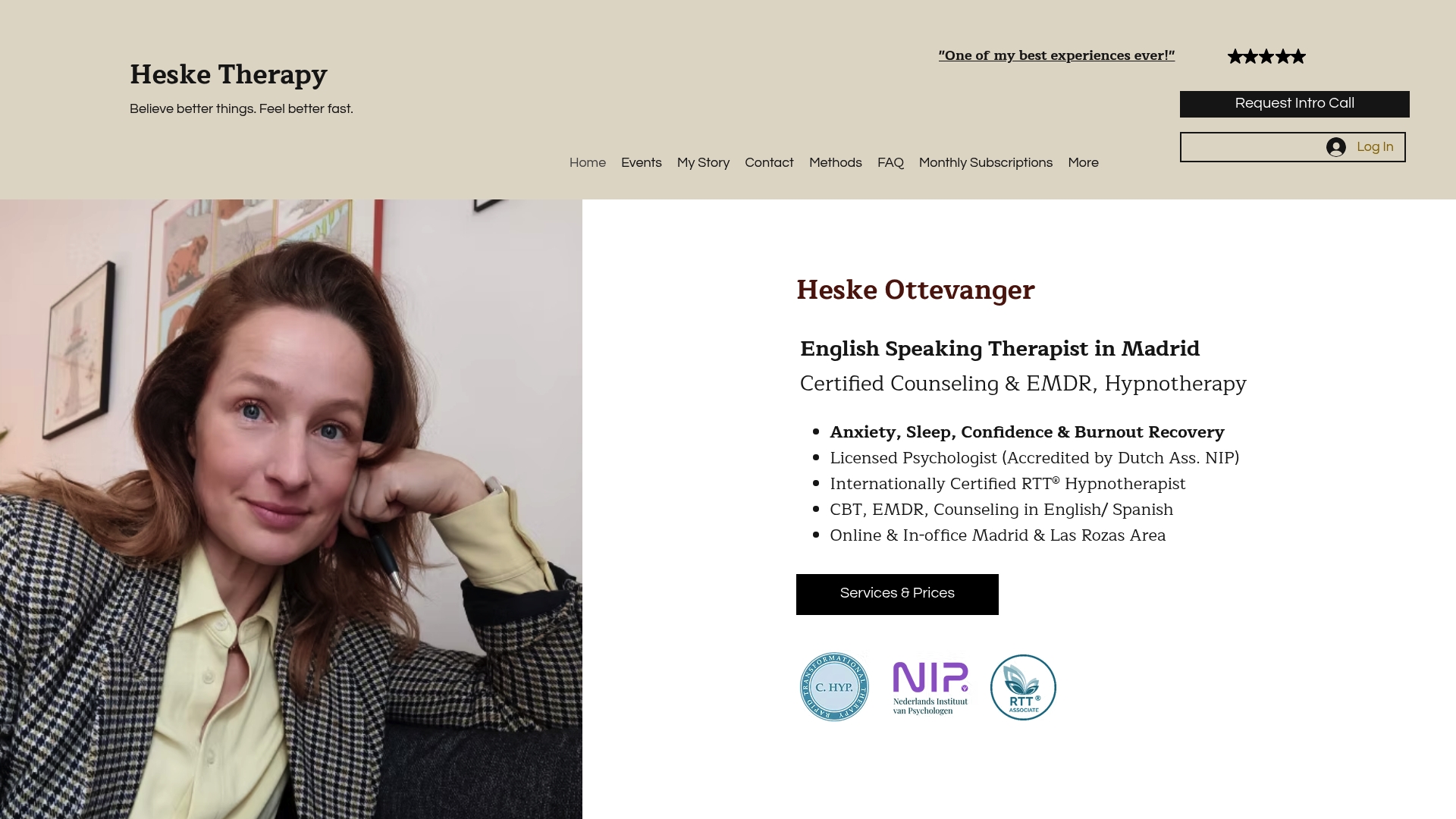
Heske Therapy specializes in helping English-speaking expatriates overcome burnout through RTT therapy, a powerful method combining hypnotherapy, cognitive techniques, and neuroplasticity principles. Unlike traditional talk therapy that can take months, RTT addresses the root causes of burnout rapidly, often producing significant shifts within weeks. The 21-day RTT therapy package offers intensive support tailored specifically for expats managing the unique stressors of life in Madrid. Whether you’re struggling with emotional exhaustion, detachment from work, or physical symptoms of chronic stress, personalized therapy can help you reclaim your wellbeing and rediscover the excitement that brought you to Spain. Visit Heske Therapy to schedule a free discovery call and start your path toward lasting recovery.
FAQ
How do I differentiate burnout from regular stress?
Burnout involves chronic emotional exhaustion, cynicism, and reduced effectiveness that persist despite rest, while stress is typically short-term and tied to specific situations. Regular stress improves when the stressor resolves or you take a break, but burnout remains constant and affects your overall functioning. If you’ve felt depleted for weeks or months rather than days, you’re likely experiencing burnout rather than normal stress.
Can cultural differences affect how I experience burnout as an expat?
Absolutely. Cultural adjustment stress, language barriers, and social isolation compound typical work pressures, making expats more vulnerable to burnout. The constant cognitive load of navigating unfamiliar social norms and lacking your usual support network intensifies symptoms. Recognizing these expat-specific factors helps you seek appropriate support and develop coping strategies that address your unique situation.
What should I do if I recognize I have burnout symptoms?
Seek professional support from a therapist experienced in burnout recovery, particularly one who understands expat challenges. The therapy role in burnout recovery is crucial for addressing root causes rather than just managing symptoms. Simultaneously, begin implementing immediate self-care changes like setting boundaries, prioritizing sleep, and reducing non-essential commitments while you work with a professional.
Are there simple daily habits to help prevent burnout?
Yes, consistent routines significantly reduce burnout risk. Regular physical activity, seven to eight hours of quality sleep, maintaining social connections, and practicing mindfulness or meditation create resilience against stress. The burnout prevention tips for expats emphasize adapting these habits to your Madrid lifestyle, whether that means joining local sports groups, establishing video call schedules with home friends, or finding quiet spaces for daily reflection.
Recommended
Comments