Role of Online Therapy for Expats Abroad: Culturally Sensitive Solutions

Feeling overwhelmed in Madrid is more common than you might think. Nearly 60 percent of expatriates face emotional hurdles or burnout during their first year abroad. For many American professionals, adapting to life away from home brings layers of anxiety and stress that local services may not fully address. This guide explores how culturally sensitive online therapy can quickly connect you with support that understands your background, provides real relief, and bridges the emotional gap unique to international living.
Table of Contents
Key Takeaways
Point | Details |
Accessibility of Online Therapy | Online therapy offers expatriates flexible and convenient mental health support, overcoming barriers like location and cultural differences. |
Cultural Sensitivity | Culturally sensitive online care addresses unique psychological challenges faced by expatriates, providing tailored therapeutic interventions. |
Technological Considerations | Effective online therapy requires reliable technology and secure platforms to ensure client privacy and communication effectiveness. |
Selecting the Right Therapist | When choosing an online therapist, prioritize professionals with cross-cultural expertise and experience in working with expatriates. |
Defining Online Therapy for Expats
Online therapy represents a transformative approach to mental health support for expatriates navigating complex emotional landscapes abroad. Digital mental health services have emerged as a critical resource for individuals experiencing isolation, cultural adaptation challenges, and psychological stress while living outside their home country.
Unlike traditional counseling, online therapy leverages digital platforms to provide accessible, flexible psychological support. This modality enables expats to connect with professional therapists through video calls, messaging systems, and secure chat platforms, breaking down geographical barriers that might otherwise prevent individuals from seeking mental health assistance. Remote psychological services offer a convenient alternative for those struggling with language barriers, cultural differences, or limited local mental health resources.
The core advantages of online therapy for expats include unprecedented accessibility, cultural sensitivity, and personalized treatment approaches. Therapists specializing in expatriate mental health understand the unique psychological challenges of international living - from identity shifts and relationship dynamics to professional stress and cultural adjustment. These professionals can provide targeted interventions that acknowledge the complex emotional terrain of global mobility, offering support that traditional local counseling might not fully comprehend.
Pro tip: When selecting an online therapist, prioritize professionals with demonstrated experience in cross-cultural counseling and international client backgrounds to ensure the most effective and understanding support.
Types of Virtual Therapy Services Available
Virtual therapy has evolved to offer a comprehensive range of remote therapeutic interventions designed to meet diverse mental health needs. These services encompass multiple communication formats, allowing expats to access professional support through flexible and convenient digital platforms. The most prevalent types include synchronous video sessions, which provide real-time face-to-face interactions, enabling therapists to observe non-verbal cues and maintain a personal connection despite geographical distances.
Beyond video consultations, virtual therapy services extend to various communication modalities. Telephone counseling remains a critical option for individuals preferring voice-based interactions, while secure messaging and chat platforms offer asynchronous support for those with scheduling constraints or communication preferences. Telerehabilitation technologies have further expanded these options to include innovative approaches like app-based cognitive behavioral therapy, virtual reality therapeutic interventions, and remote monitoring systems that can track mental health progress.
Specialized virtual therapy services for expatriates often incorporate unique features tailored to international living challenges. These may include cross-cultural counseling, language-specific support, timezone-flexible scheduling, and therapists with expertise in expatriate psychological adjustment. Some platforms offer integrated tools like journaling applications, stress tracking mechanisms, and digital resources that complement traditional therapeutic approaches, providing holistic support for individuals navigating complex emotional landscapes while living abroad.
Here is a comparison of the most common virtual therapy modalities used by expats:
Modality | Communication Style | Best For | Typical Tools |
Video Therapy | Real-time, face-to-face | Observing non-verbal cues | Zoom, Doxy.me, Skype |
Messaging Therapy | Asynchronous text | Busy schedules, documentation | Secure app, web chat |
Phone Therapy | Real-time voice | Low bandwidth, privacy need | Encrypted phone service |
App-Based Interventions | Self-guided or guided | CBT exercises, symptom tracking | Therapy apps, mobile tools |
Pro tip: When exploring virtual therapy options, request a preliminary consultation to assess the therapist’s experience with expatriate mental health and ensure their approach aligns with your specific cultural and personal needs.
How Online Therapy Works for Global Clients
Online therapy for global clients operates through sophisticated telepresence therapeutic platforms designed to bridge geographical and cultural gaps. These digital environments create secure, intimate spaces where therapists and clients can establish meaningful connections despite physical distances. Advanced video conferencing technologies enable real-time interactions that capture subtle emotional nuances, allowing professionals to provide comprehensive psychological support across international boundaries.
The core mechanism of global online therapy involves creating a culturally responsive digital therapeutic environment. Therapists utilize specialized communication tools that accommodate diverse linguistic backgrounds, time zones, and cultural contexts. This approach goes beyond simple video communication, incorporating features like simultaneous translation, cultural sensitivity training, and adaptive communication strategies that respect individual client experiences and emotional landscapes.

Virtual therapy technologies provide unprecedented flexibility for global mental health support. These platforms integrate multiple communication channels, including video consultations, secure messaging, and asynchronous check-ins, allowing clients to engage with therapeutic support in ways that best suit their individual needs and lifestyle constraints. Confidentiality remains paramount, with encrypted communication channels and rigorous data protection protocols ensuring client privacy across international networks.
Pro tip: Before your first online therapy session, test your internet connection, find a private space, and prepare a list of key topics you want to discuss to maximize the effectiveness of your virtual therapeutic experience.
Benefits of Culturally Sensitive Online Care
Culturally sensitive online care represents a transformative approach to mental health support for global clients, particularly expatriates navigating complex emotional landscapes. Patient-centered healthcare strategies acknowledge the profound impact of cultural context on psychological well-being, creating therapeutic environments that respect and integrate individual cultural backgrounds, beliefs, and communication styles. This approach goes beyond traditional therapeutic models by recognizing that emotional healing is deeply intertwined with cultural identity and personal experience.
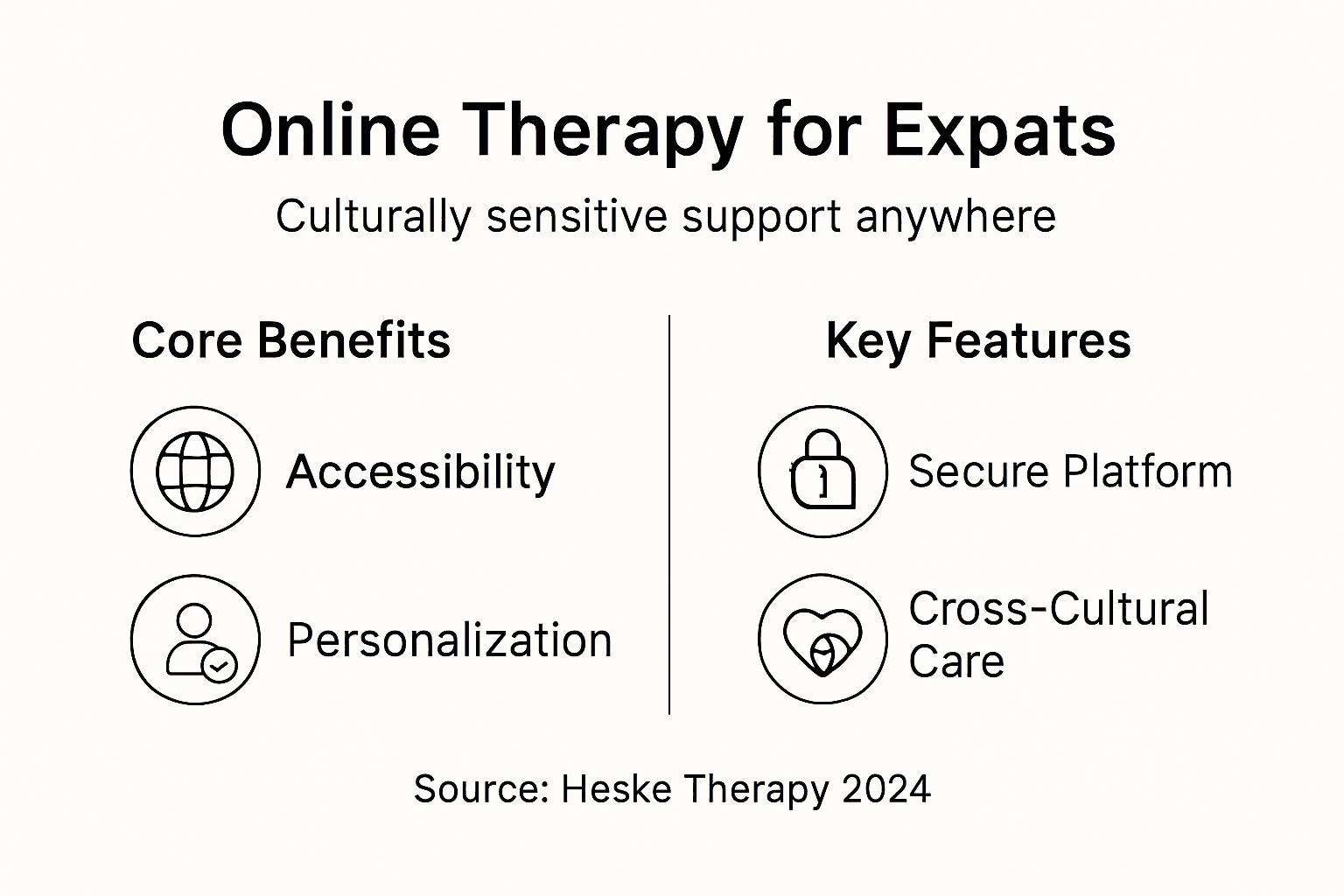
The nuanced approach of culturally sensitive online care offers multiple critical advantages for international clients. Therapists trained in cross-cultural communication can decode subtle emotional cues, navigate linguistic complexities, and provide interventions that resonate with a client’s specific cultural framework. Cultural competence in healthcare means understanding that emotional expression, trauma response, and healing processes vary significantly across different cultural contexts. This sensitivity transforms therapy from a one-size-fits-all model to a personalized, responsive therapeutic experience that validates each client’s unique psychological landscape.
For expatriates, culturally sensitive online care becomes a critical lifeline during challenging transitions. These specialized services offer more than traditional counseling by providing adaptive communication strategies that acknowledge the emotional complexity of living between cultures. Therapists become cultural navigators, helping clients process relocation stress, identity shifts, and interpersonal challenges through a lens of deep cultural understanding. By integrating linguistic nuance, cultural context, and personalized therapeutic approaches, these services create a supportive environment that promotes emotional resilience and psychological adaptation.
Pro tip: When seeking online therapy as an expat, prioritize therapists who demonstrate proven experience with cross-cultural counseling and explicitly discuss their approach to understanding your unique cultural background.
Key Challenges and Risks in Online Therapy
Online therapy presents several nuanced challenges that require careful navigation, particularly for expatriates seeking mental health support across international boundaries. Technical challenges in remote counseling encompass complex issues ranging from internet connectivity disruptions to maintaining therapeutic confidentiality in digital spaces. These obstacles can potentially compromise the therapeutic experience, demanding robust technological infrastructure and sophisticated communication strategies.
Confidentiality and privacy represent critical risk areas in online therapy environments. Digital platforms must implement advanced encryption protocols and secure communication channels to protect sensitive client information. International clients face additional complexities, including potential legal variations in data protection across different jurisdictions, which necessitate comprehensive privacy frameworks that transcend traditional geographical boundaries. The potential for technological breaches or unauthorized data access creates inherent vulnerabilities that require constant vigilance and proactive risk management.
Online counseling communication limitations introduce significant psychological and interpersonal challenges. Non-verbal communication becomes significantly more difficult in virtual settings, potentially reducing the depth and nuance of therapeutic interactions. Therapists must develop specialized skills to interpret emotional states through digital mediums, compensating for the absence of physical presence. Cultural differences can further complicate these communication dynamics, requiring exceptional cross-cultural competence and adaptive communication strategies to ensure meaningful therapeutic engagement.
Key challenges and critical solutions in online expat therapy are summarized below:
Challenge | Impact on Clients | Solution/Best Practice |
Internet Instability | Session interruptions, frustration | Use backup devices, stable Wi-Fi |
Legal, Privacy Variations | Data risks, regulatory confusion | Choose platforms meeting global laws |
Non-Verbal Communication Gaps | Missed emotional cues | Video preferred, training for therapists |
Time Zone Differences | Scheduling difficulties | Flexible hours, global booking tools |
Pro tip: Before beginning online therapy, thoroughly verify your therapist’s technological security measures and ask explicit questions about their data protection protocols and communication approach.
Choosing the Right Online Therapist Abroad
Selecting an appropriate online therapist requires careful consideration of multiple critical factors that extend beyond traditional counseling selection criteria. Therapist selection traits involve evaluating not just professional credentials, but also technological adaptability, emotional intelligence, and cross-cultural communication skills. Expatriates must look for professionals who demonstrate exceptional flexibility and understanding of international psychological dynamics, ensuring a therapeutic relationship that transcends geographical boundaries.
The core competencies for an effective online therapist include specialized training in cross-cultural mental health, multilingual capabilities, and a nuanced understanding of global relocation challenges. Virtual therapy professional qualifications demand more than standard clinical expertise. Therapists working with international clients must possess advanced skills in navigating cultural differences, interpreting complex emotional landscapes, and providing supportive interventions that acknowledge the unique stressors of expatriate experiences. This includes understanding immigration-related psychological challenges, cultural adjustment processes, and the intricate emotional terrain of living between cultures.
Practical considerations in selecting an online therapist abroad involve thorough credential verification, understanding licensure regulations, and assessing communication compatibility. Potential clients should investigate the therapist’s professional background, including international certifications, specialized training in expatriate mental health, and their approach to handling cross-cultural therapeutic challenges. Important screening factors include language proficiency, technological platform security, flexible scheduling across time zones, and demonstrated experience working with clients from diverse cultural backgrounds.
Pro tip: Request a preliminary consultation to assess the therapist’s cross-cultural competence, technological comfort, and ability to create a supportive virtual therapeutic environment.
Experience Culturally Sensitive Online Therapy Designed for Expats
Living abroad can bring unique emotional challenges such as anxiety, burnout, and identity shifts. This article highlights the crucial need for culturally sensitive mental health support that addresses these specific struggles faced by expatriates. If you are seeking flexible therapy options that understand the complexities of international living and provide rapid, lasting results, Heske Therapy offers integrative approaches including Rapid Transformational Therapy, EMDR, CBT, and hypnotherapy tailored for English-speaking expats.
Our professional therapists specialize in cross-cultural counseling and personalized treatment plans that bridge language barriers and cultural differences. With the convenience of online sessions, you can access compassionate support designed to help you overcome emotional blocks, stress, and physical symptoms like migraines or IBS no matter where you are in the world.
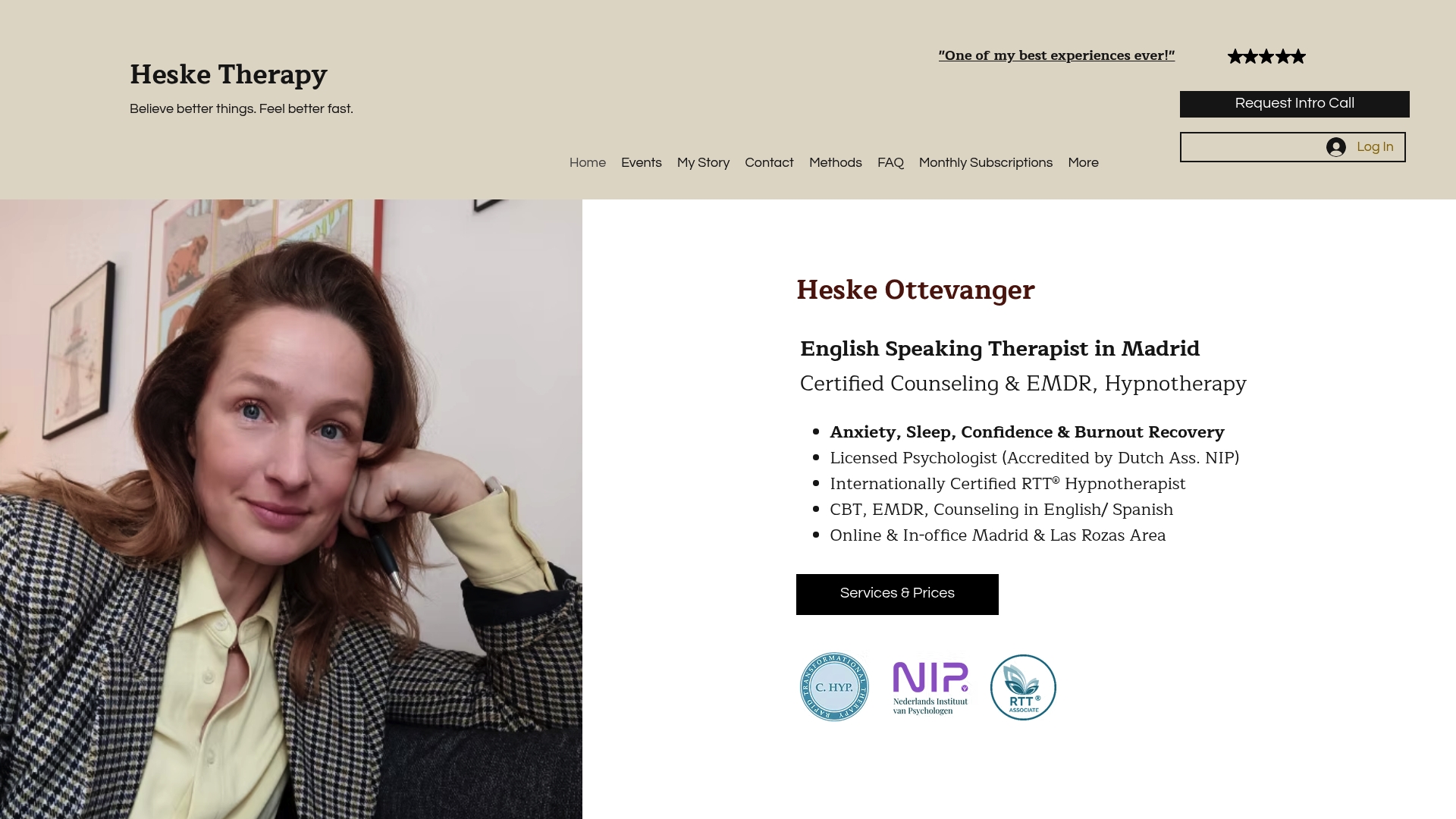
Take the first step toward emotional resilience and healing by exploring Heske Therapy’s expert services. Schedule a free discovery call today and benefit from a supportive virtual environment where your cultural background is respected and your mental wellness prioritized. Don’t wait to find the care you deserve designed explicitly for international clients.
Frequently Asked Questions
What is online therapy for expats?
Online therapy for expats is a digital mental health support service that connects expatriates with professional therapists through secure platforms. It addresses the unique emotional challenges faced by individuals living abroad, including cultural adaptation and psychological stress.
How does culturally sensitive online therapy benefit expatriates?
Culturally sensitive online therapy takes into account the cultural backgrounds and experiences of expatriates, providing tailored support that resonates with their unique psychological needs. This approach fosters deeper connections and more effective therapeutic outcomes.
What types of virtual therapy services are available for expats?
Virtual therapy services for expats include video consultations for real-time interactions, messaging therapy for asynchronous support, and app-based interventions designed for self-guided or guided mental health treatment.
What should I consider when selecting an online therapist as an expat?
When choosing an online therapist, consider their experience with cross-cultural counseling, their ability to communicate in your preferred language, and their understanding of the unique challenges faced by expatriates. Request a preliminary consultation to assess their suitability.
Recommended
Comments