Understand trauma bonding: how it forms and how to heal


TL;DR:
Trauma bonding creates powerful emotional attachments between harmed individuals and their abusers, driven by cycles of pain and relief. It often develops in coercively controlled relationships, especially for expats isolated from support networks, making escape and recovery more difficult. Effective healing involves trauma-informed therapy, safe support systems, and understanding the distinct dynamics that differentiate trauma bonds from healthy attachments.
Many people who stay in relationships that hurt them are not weak, naive, or simply “in love with the wrong person.” Something far more specific and deeply rooted in survival psychology is often at work. Trauma bonding describes a powerful emotional attachment that forms between a person being harmed and the person harming them, driven not by free choice but by the brain’s response to cycles of pain and relief. If you are an expatriate or international client in Madrid trying to make sense of a confusing or painful relationship, this guide will walk you through exactly what trauma bonding is, how it develops, and what it takes to heal.
Table of Contents
Key Takeaways
Point | Details |
Trauma bonding definition | Trauma bonding is an emotional tie resulting from cycles of abuse and moments of kindness. |
Unique from normal attachment | Unlike healthy connection, trauma bonding is driven by power imbalance and survival response. |
Impact on mental health | Trauma bonds often overlap with PTSD and can make leaving harmful relationships challenging. |
Therapy is essential | Trauma-informed therapy helps break the hold of trauma bonds and supports emotional recovery. |
Expats face extra challenges | Cultural and language barriers in Madrid can complicate recognition and healing, but targeted help is available. |
What is trauma bonding?
Trauma bonding is one of those terms that gets used a lot but rarely explained with precision. At its core, the definition of trauma bonding refers to a strong emotional attachment that can form between an abused person and their abuser, often maintained by repeated cycles of abuse followed by intermittent kindness or positive reinforcement. The key word here is intermittent. It is not constant cruelty, and it is not constant kindness. It is the unpredictable alternation between the two that makes the bond so hard to break.
“Trauma bonding is a strong emotional attachment that can form between an abused person and their abuser, often maintained by repeated cycles of abuse followed by intermittent kindness or positive reinforcement.” — HelpGuide
This dynamic is frequently misread, even by the people living it. Common misconceptions include:
It must be true love. The intensity of the connection feels like passion, but the source is neurological and stress-driven, not romantic.
Staying means you are loyal. Loyalty is a conscious choice. Trauma bonding bypasses conscious reasoning.
It is just attachment issues. This explanation minimizes the coercive power dynamics at play.
You would leave if it were really abuse. The bond itself is the reason leaving feels impossible, not a sign that abuse is not happening.
Research suggests trauma bonding is especially prevalent in relationships involving coercive control, where the abuser systematically limits the victim’s freedom and access to external support. For expatriates already separated from family and longtime friends, this isolation can accelerate the process significantly.
How does trauma bonding develop in relationships?
With the basics of trauma bonding defined, it is crucial to understand exactly how this dynamic unfolds in real life, especially for those in unfamiliar contexts like Madrid. Patrick Carnes’ framework in The Betrayal Bond explains how environments of exploitation and abuse create compulsive attachment, and offers clear steps for recognizing and safely exiting them.
The cycle typically follows a recognizable pattern:
Tension building. Small conflicts, criticism, or emotional withdrawal signal that something bad is coming.
Incident. The abusive event occurs, whether verbal, emotional, physical, or financial.
Reconciliation. The abuser apologizes, offers affection, or acts as if nothing happened. Gifts, closeness, and warmth return.
Calm. A peaceful period begins. The relationship feels “normal,” even loving. This phase reinforces the bond.
Repeat. Tension builds again, and the cycle restarts.
Cycle stage | Psychological response | Common expat experience |
Tension building | Hypervigilance, anxiety, people-pleasing | Walking on eggshells, fear of upsetting partner |
Incident | Shock, shame, confusion | Feeling trapped far from home support |
Reconciliation | Relief, hope, emotional flooding | Mistaking attention for proof of love |
Calm | Gratitude, dependency, attachment | Partner becomes primary social anchor |
Repeat | Disorientation, normalized trauma | Loss of personal identity and social network |
For expats, this table reflects something critically important. When you move to a new country and your primary social relationship is also your primary source of harm, the dependency that grows is not just emotional. It becomes practical and logistical as well. Your housing, your Spanish language support, your social life may all become intertwined with the person causing the harm.
Pro Tip: The “good times” in an abusive relationship are not random acts of kindness. Research on intermittent reinforcement shows they are functionally the most powerful part of the abuse cycle because they keep hope alive and make leaving feel like giving up on the “real” person.
Why trauma bonding is different from ordinary attachment
Having seen how these bonds form, it is easy to confuse trauma bonding with ordinary attachment problems, and here is why that is a mistake. Normal attachment develops through repeated experiences of safety, emotional availability, and mutual respect. Trauma bonding, by contrast, is rooted in fear, power imbalance, and manipulation. The two feel similar on the surface because both involve intense feelings and difficulty separating, but their origins and effects are fundamentally different.
Expert cautions on trauma bonding highlight that the concept can be misunderstood or over-applied when people use the phrase to describe painful but non-abusive relationships. This distinction matters enormously. Calling any difficult breakup a “trauma bond” can dilute the clinical seriousness of what survivors of coercive control experience.
Feature | Trauma bonding | Healthy attachment |
Foundation | Fear, relief cycles, coercive control | Trust, safety, mutual respect |
Emotional driver | Anxiety and hope in alternation | Consistent warmth and security |
Power balance | Significant imbalance, one person dominant | Generally equal, negotiated |
Dependency | Compulsive, survival-based | Interdependent but autonomous |
Effect on self-worth | Erodes over time | Generally sustains or builds |
Warning signs that a relationship involves trauma bonding rather than ordinary relationship challenges:
You feel addicted to the relationship even though it hurts you consistently
You find yourself defending the other person’s behavior to friends or family
Leaving, or even imagining leaving, triggers intense fear and physical symptoms
Periods of kindness feel disproportionately powerful compared to the harm
Your sense of self has gradually narrowed around the other person’s preferences
You feel more like a survival partner than a genuine partner in the relationship
If several of these points resonate, it is worth speaking with a mental health professional who understands abuse dynamics, not just relationship difficulties.
The connection to PTSD, mental health, and cultural context
Once trauma bonding is distinguished from regular attachment, the next step is to see how it affects mental health and recognize the special challenges for internationals in Madrid. The overlap between trauma bonding and PTSD is well established. Cross-cultural research links trauma bonding directly with PTSD and examines how measurement of these experiences varies across cultural contexts, noting that validated tools for this are still developing.

What this means practically is that many people experiencing trauma bonding are also carrying trauma and PTSD symptoms without realizing the two are connected. They may experience intrusive memories of the “good times,” emotional numbness, hypervigilance in other relationships, difficulty sleeping, and a persistent sense of worthlessness or shame.
For expatriates in Madrid, these challenges are compounded by context:
Language barriers make it harder to access local mental health resources or to explain the nuances of an abusive relationship to Spanish-speaking services
Social isolation means the abuser often becomes the primary or sole source of emotional support, deepening the bond
Unfamiliarity with local systems creates practical obstacles: not knowing where to report abuse or access crisis support
Cultural expectations around relationships may conflict with your own, creating doubt about what is “normal” in a new country
Distance from family and longtime friends removes the mirror that would normally reflect back how much has changed in you
Trauma recovery for expats requires accounting for all of these layers, not just the relational dynamics in isolation. The expat anxiety and trauma combination is genuinely different from what people experience in their home countries, and effective therapy needs to reflect that.
Pro Tip: Recovery in Madrid may look different for you than it would back home. Finding a therapist who speaks your language, understands expat realities, and is trained in trauma-informed approaches can make the process significantly more effective and significantly less isolating.
Breaking the cycle: How trauma bonding is addressed in therapy
Understanding the risks and symptoms leads naturally to the question of what you can actually do. First and most important: recognize that experiencing a trauma bond is not a personal failure. It is not a sign that you are weak, clingy, or irrational. The bond forms because your nervous system was doing exactly what it is designed to do: finding ways to survive a threatening environment.

Getting help for trauma bonding is best framed as a mental health and safety issue within abusive or coercive control dynamics. This means seeking trauma-informed therapy and, where relevant, domestic violence support, rather than trying to interpret the bond as mutual love or treating yourself as someone who simply “failed to leave.”
Practical steps for breaking the cycle include:
Acknowledge the pattern. Name the cycle clearly, in writing if needed. Seeing the stages laid out often creates the first real distance from them.
Safety planning. Before making any major moves, plan for practical safety. This includes access to money, housing, and trusted contacts, especially crucial for expats.
Seek trauma-informed therapy. Look for practitioners trained in abuse dynamics, EMDR, CBT, or RTT, who can address both the bond and the underlying trauma.
Rebuild your support network. Even one or two consistent, trustworthy people outside the relationship create a lifeline.
Limit contact strategically. Complete separation is not always immediately possible, but reducing contact interrupts the reinforcement cycle.
Trauma-focused therapy is particularly effective when tailored to the specific realities of expat life. Trauma therapy approaches like EMDR work directly on how traumatic memories are stored, reducing their emotional charge. RTT hypnotherapy for trauma takes a different angle, accessing the subconscious beliefs formed during the abuse cycle and replacing them with healthier internal narratives.
Emotional well-being after trauma does not return overnight, but structured approaches to overcoming trauma naturally and evidence-backed best therapy methods consistently show that recovery is achievable with the right support. For those wanting a more intensive approach, fast-track trauma recovery in Madrid options are available for both in-office and online sessions.
Pro Tip: Therapy in your native language, or with a counselor experienced in working with expats, significantly improves outcomes. Being able to describe what you have been through without translating it culturally reduces cognitive load and speeds up the healing process.
Our perspective: Why the “trauma bond” label matters for expats, but beware the pitfalls
Working with expats and trauma survivors over many years teaches you something that no academic paper fully captures. The moment someone finally has a name for what they have been experiencing, something shifts. The label “trauma bond” can be genuinely liberating. It reframes confusion and self-blame into a recognizable pattern with a known cause, and that shift alone can motivate someone to seek help.
But there is a real risk in how this term is spreading through online spaces and social media. We see clients who come in convinced they are “trauma bonded” after reading a thread describing a painful but ultimately non-abusive breakup. This is not a trivial concern. When the term is misapplied, it can actually increase shame, add unnecessary pathology to normal relationship grief, and paradoxically make it harder for genuine survivors to be believed or heard.
Our strong advice: use the framework, but hold it lightly until a qualified professional has helped you assess it. Trauma bonding is a clinical concept that describes real and serious harm within coercive control dynamics. It deserves that precision. For expats especially, who are navigating mental health challenges without a familiar cultural reference point, the right label applied correctly can open doors. The wrong label applied carelessly can close them.
Trauma-focused healing for expats is most effective when the approach is honest, individualized, and grounded in what is actually happening for you rather than what a label suggests should be. You are not a case study. You are a person navigating something genuinely hard, in a country far from home, often without your usual scaffolding. That matters, and any good therapist working with you will treat it like it matters.
Next steps: Getting support for trauma bonding in Madrid
Taking the first step toward support is often the hardest part, especially when you are already exhausted by the dynamics of a painful relationship and living far from your natural support system.
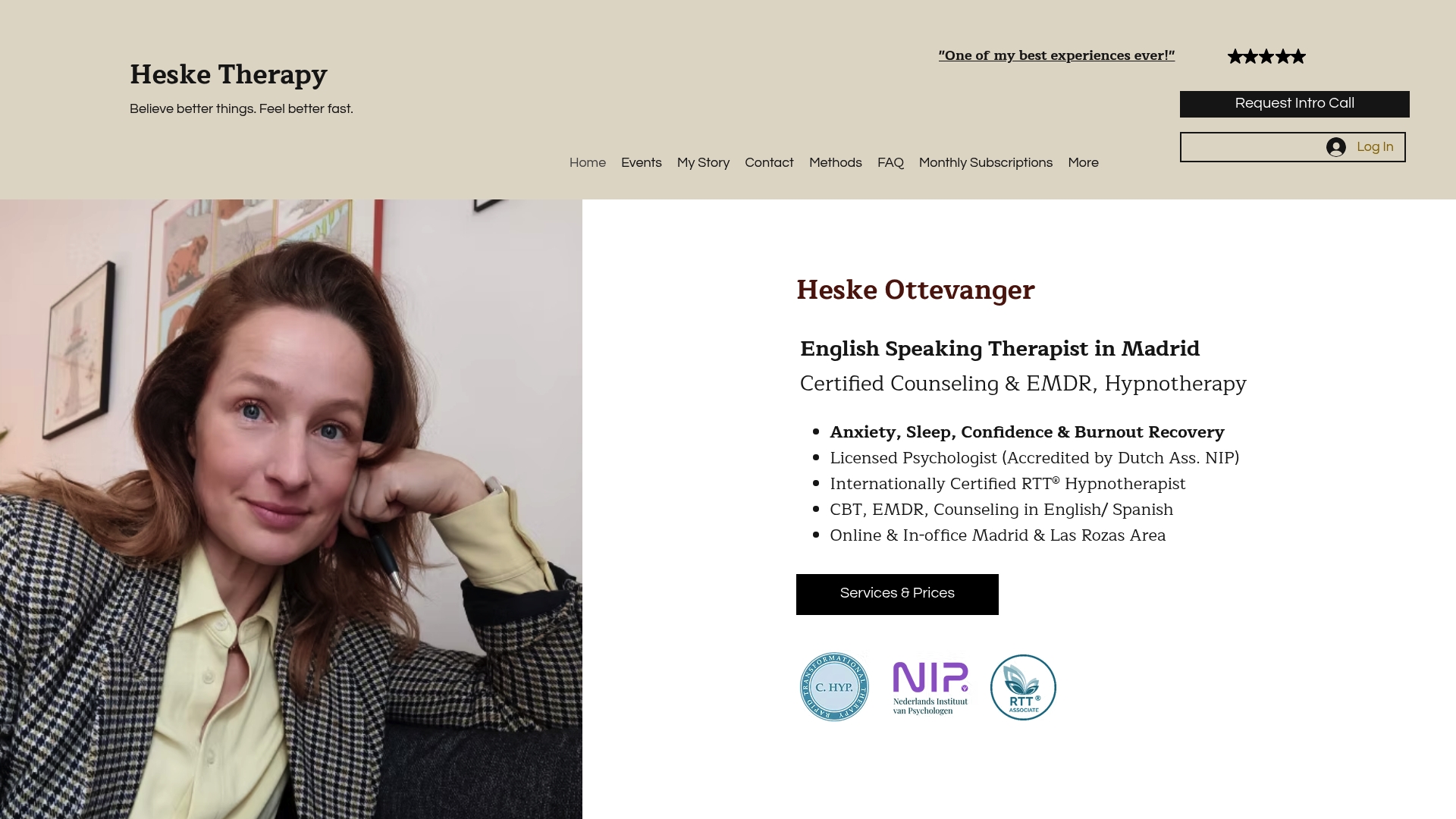
At Heske Therapy, we work specifically with English-speaking expatriates and international clients in Madrid who are navigating trauma, anxiety, and difficult relationship histories. Our approach integrates RTT therapy in Madrid, EMDR, CBT, and counseling to address trauma bonding at both the behavioral and subconscious level. For those who want a structured, time-defined path to recovery, our 21-day trauma recovery package offers focused, intensive support designed around your specific circumstances. Sessions are available in English, in-person in Madrid or online. You do not have to explain your culture or translate your experience. We work in your language, in your context, with confidentiality you can trust.
Frequently asked questions
How do I know if I am experiencing trauma bonding?
If you feel trapped in a cycle of mistreatment followed by affection, and you find it difficult to leave despite ongoing harm, you may be experiencing trauma bonding. A therapist experienced in abuse dynamics can help you assess whether the pattern you are living fits the clinical picture.
Can trauma bonding happen outside of romantic relationships?
Yes, trauma bonds can develop in families, workplaces, or friendships, anywhere coercive control and cycles of harm occur. Patrick Carnes’ research on exploitive relationship environments describes how the same compulsive attachment dynamic can appear across many types of relationships.
Is trauma bonding linked with PTSD?
PTSD and trauma bonding frequently appear together, and cross-cultural findings confirm a strong correlation between the two. Addressing one without the other often leads to incomplete recovery.
What therapy helps break trauma bonds?
Trauma-informed therapy using CBT, EMDR, or RTT with a provider experienced in abuse dynamics is most effective for breaking trauma bonds. The approach works best when it addresses both the behavioral patterns and the underlying beliefs formed during the abuse cycle.
Can expats find safe and confidential help in Madrid?
Yes, English-speaking therapists in Madrid offer confidential trauma support specifically for internationals. Seeking a provider who understands expat realities means you will not spend energy translating your context before the real work can begin.
Recommended
Comments