What Is CBT and How It Transforms Mental Health

Stress and uncertainty often build when you leave home for a new life, especially in a busy city like Madrid. For many English-speaking expatriates, feelings of anxiety or burnout can be tough to handle without the right support. Cognitive Behavioral Therapy offers a focused, practical approach that teaches you how your thoughts shape emotions and actions. By investing in realistic and balanced thinking, you can find concrete strategies to manage day-to-day challenges and feel more in control of your emotional well-being.
Table of Contents
Key Takeaways
Point | Details |
Cognitive Behavioral Therapy (CBT) Principles | CBT focuses on the relationship between thoughts, emotions, and behaviors to improve mental well-being through skill-building and cognitive restructuring. |
Various Types of CBT | Different CBT approaches, such as Traditional CBT, DBT, and ACT, cater to specific mental health needs and vary in methodologies and treatment duration. |
CBT Session Structure | Therapy sessions emphasize collaboration, establishing clear goals, and active participation to develop practical skills for managing psychological challenges. |
Understanding Misconceptions | CBT is not a quick fix; it requires commitment and may take time to yield visible results, emphasizing realistic thinking over positive thinking. |
CBT Defined: Core Principles and Misconceptions
Cognitive Behavioral Therapy (CBT) represents a powerful, structured approach to understanding and transforming mental health challenges. Exploring psychological interactions, CBT focuses on the intricate connections between thoughts, emotions, and behaviors, offering a pragmatic method for addressing complex psychological issues.
At its core, CBT operates on a fundamental principle: our perceptions and interpretations of events shape our emotional responses and behaviors more significantly than the actual events themselves. This cognitive model suggests that individuals can dramatically improve their mental well-being by learning to identify and reframe negative thought patterns. Key components of this therapeutic approach include:
Recognizing automatic negative thoughts
Challenging dysfunctional assumptions
Developing healthier cognitive strategies
Implementing behavioral modifications
Contrary to common misconceptions, CBT is not about positive thinking, but rather about developing realistic and balanced thinking. Goal-oriented psychological therapy emphasizes learning practical skills that patients can apply both during and after therapy sessions. The therapy is typically time-limited, structured, and focuses on present challenges rather than extensively exploring past experiences.
Therapeutic Misconceptions to Understand:
CBT is not a quick fix but a skill-building process
It requires active participation and commitment
Results vary based on individual engagement
The ultimate goal of CBT is empowerment: teaching individuals to become their own therapists by developing robust mental strategies for managing emotional challenges effectively.
Pro tip: Start tracking your thoughts in a journal to begin recognizing patterns that might benefit from CBT techniques.
Different Types of CBT and Their Distinctions
Cognitive behavioral therapy approaches have evolved significantly, offering multiple specialized variants designed to address diverse mental health challenges. While sharing core principles, these approaches demonstrate remarkable adaptability across different psychological conditions and patient needs.
The primary types of CBT include:
Traditional CBT: The foundational approach focusing on identifying and restructuring negative thought patterns
Dialectical Behavior Therapy (DBT): Specifically designed for individuals with emotional regulation difficulties
Acceptance and Commitment Therapy (ACT): Emphasizing psychological acceptance and behavioral change
Exposure Therapy: Targeted at treating anxiety and phobia-related disorders
Schema Therapy: Addressing deep-rooted emotional patterns and childhood experiences
Each therapeutic approach contains unique methodological nuances. Digital cognitive behavior techniques have recently emerged, expanding treatment accessibility through teletherapy and online intervention platforms. These modern adaptations maintain the core cognitive-behavioral model while incorporating technological innovations to reach broader populations.
Key Distinctions Between CBT Types:
Target population
Specific therapeutic techniques
Duration of treatment
Flexibility of approach
Understanding these variations allows mental health professionals to select the most appropriate intervention strategy for individual client needs.
Here is a summary comparing common CBT approaches and their distinctive features:
CBT Type | Main Focus | Ideal For | Typical Format |
Traditional CBT | Restructuring negative thoughts | Depression, generalized anxiety | Individual or group |
Dialectical Behavior | Emotional regulation, distress | Borderline personality disorder | Individual + skills |
Therapy (DBT) | tolerance, mindfulness | coaching/groups | |
Acceptance & Commitment | Acceptance, values-based action | Chronic pain, anxiety disorders | Individual, some group |
Therapy (ACT) | |||
Exposure Therapy | Reducing avoidance, facing fears | Phobias, PTSD, OCD | Individual |
Schema Therapy | Changing deep-rooted patterns | Chronic relationship issues | Individual |
Pro tip: Consult a trained therapist to determine which specific CBT approach best matches your unique psychological requirements.
How CBT Works in Therapy Sessions
Cognitive behavioral therapy sessions represent a collaborative and structured approach to mental health treatment, designed to empower individuals by teaching them practical skills for managing psychological challenges. Unlike traditional talk therapies, CBT focuses on active problem-solving and developing concrete strategies for emotional regulation and behavioral change.
A typical CBT therapy journey involves several key stages:
Initial Assessment: Comprehensive evaluation of patient’s psychological background
Goal Setting: Defining clear, measurable therapeutic objectives
Cognitive Mapping: Identifying negative thought patterns and cognitive distortions
Skill Development: Learning techniques to challenge and reframe unhelpful thinking
Behavioral Experiments: Practicing new coping strategies in real-world scenarios
Key Components of CBT Sessions:
Collaborative relationship between therapist and patient
Structured, goal-oriented approach
Active participation and skill-building
Regular homework and practice assignments
Psychotherapeutic step-by-step methods emphasize the importance of consistent practice and application of learned techniques. Each session typically involves discussing previous homework, exploring current challenges, and developing new strategies for emotional management.

Therapists use various techniques like Socratic questioning, cognitive restructuring, and exposure therapy to help patients develop more adaptive thinking and behavioral patterns. The ultimate goal is to equip individuals with lifelong skills for managing their mental health effectively.
Pro tip: Keep a detailed journal during CBT to track your progress and document the cognitive techniques you’re learning.
Real-World Uses for Anxiety, Trauma, and Burnout
Academic burnout interventions demonstrate the remarkable versatility of Cognitive Behavioral Therapy (CBT) in addressing complex psychological challenges across diverse populations. By targeting specific mental health issues, CBT offers targeted strategies for managing anxiety, processing trauma, and mitigating workplace and academic stress.
Primary Real-World Applications of CBT:
Anxiety Management: Reducing excessive worry and panic responses
Trauma Processing: Helping individuals reframe and recover from traumatic experiences
Burnout Prevention: Developing resilience and emotional regulation skills
Performance Stress: Addressing test anxiety and professional pressures
Emotional Regulation: Teaching adaptive coping mechanisms
Key Therapeutic Approaches for Different Scenarios:
Academic stress intervention
Professional burnout recovery
Post-traumatic stress management
Generalized anxiety treatment
Mindfulness-based interventions have expanded CBT’s effectiveness, particularly in healthcare and high-stress professional environments. These adaptable techniques can be delivered through multiple formats - on-site, online, or hybrid - making mental health support more accessible than ever before.
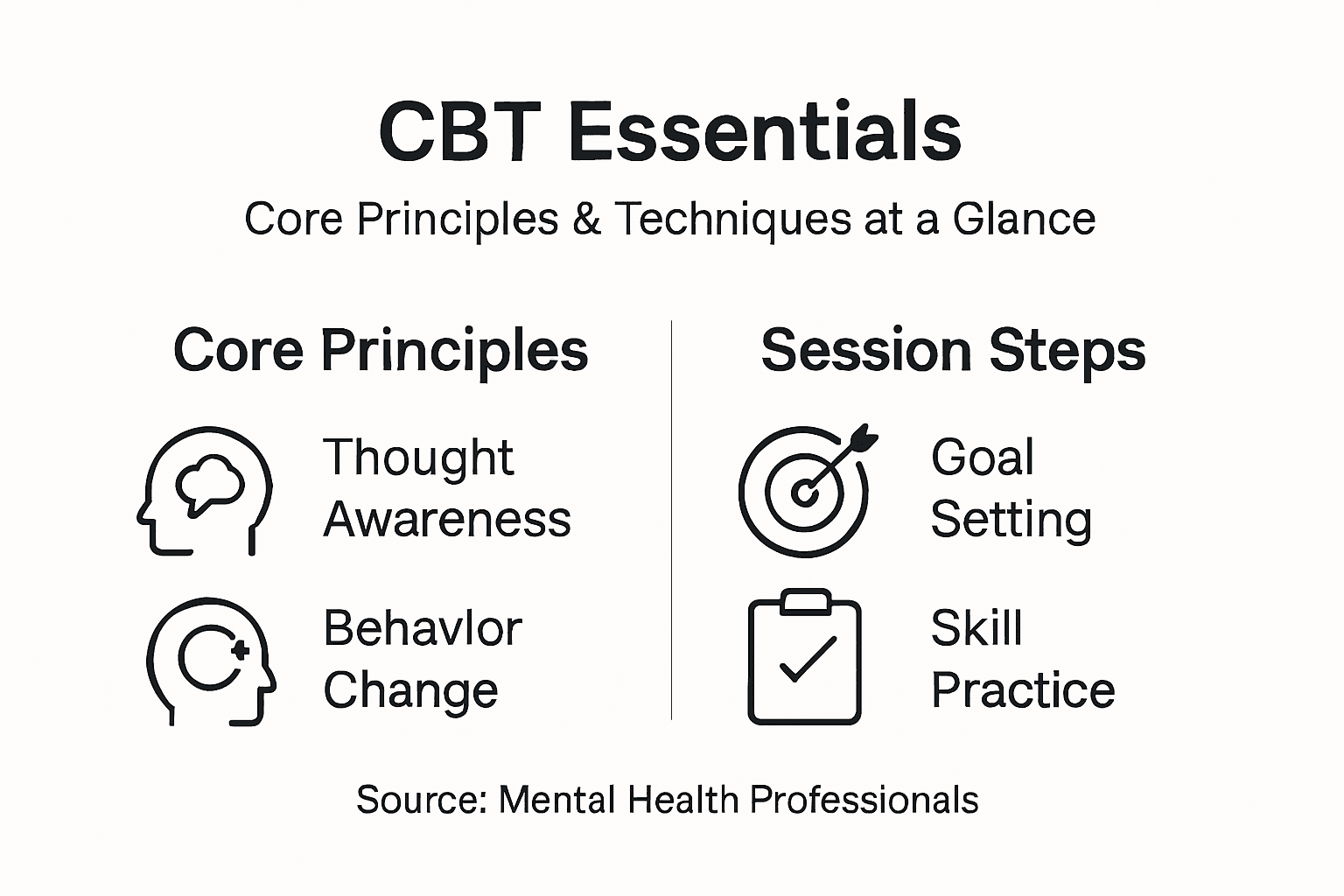
For expatriates experiencing significant life transitions, CBT provides a structured approach to managing emotional challenges, helping individuals develop resilience and adaptive strategies tailored to their unique circumstances.
Pro tip: Track your emotional patterns and triggers to maximize the effectiveness of your CBT journey.
Risks, Costs, and Common Mistakes to Avoid
CBT training strategies reveal critical insights into potential pitfalls that can significantly impact therapy effectiveness and patient outcomes. Understanding these risks is essential for both practitioners and individuals considering cognitive behavioral therapy as a mental health intervention.
Key Risks and Potential Challenges:
Practitioner Competence: Inadequate therapist training
Treatment Fidelity: Inconsistent therapy application
Patient Engagement: Limited commitment to therapeutic process
Cost Barriers: Financial constraints limiting access
Personalization Gaps: One-size-fits-all approach
Common Mistakes to Avoid:
Selecting an inexperienced therapist
Neglecting between-session homework
Expecting immediate results
Failing to communicate openly
Discontinuing therapy prematurely
Barriers to effective treatment often stem from complex interactions between patient characteristics and therapeutic approaches. Cultural differences, comorbid conditions, and individual social stressors can significantly influence therapy outcomes, underscoring the importance of a personalized, adaptive treatment strategy.
Expats and international professionals should be particularly mindful of these potential challenges, recognizing that mental health support requires careful navigation and commitment to the therapeutic process.
This table highlights common risks in CBT therapy and strategies to help manage them:
Challenge | Potential Impact | How to Address |
Inconsistent attendance | Slow or limited progress in therapy | Schedule regular sessions, set goals |
Lack of therapist fit | Reduced comfort, lower engagement | Request introductory meeting |
Neglecting homework | Less skill development, poor outcomes | Set reminders, discuss barriers |
Cultural mismatch | Misunderstandings, less effective therapy | Seek culturally competent therapist |
Pro tip: Request a preliminary consultation to assess therapist compatibility and discuss your specific mental health goals.
CBT Compared to Other Therapy Approaches
Psychological treatment comparisons reveal Cognitive Behavioral Therapy’s unique position among mental health interventions. Unlike traditional approaches that delve extensively into past experiences, CBT distinguishes itself through a pragmatic, solution-focused methodology that emphasizes present challenges and future strategies.
Key Differences Between CBT and Other Therapies:
Psychodynamic Therapy: Focuses on unconscious processes vs. CBT’s focus on conscious thought patterns
Humanistic Therapy: Emphasizes personal growth vs. CBT’s structured skill-building
Psychoanalysis: Long-term exploration vs. CBT’s time-limited approach
Existential Therapy: Philosophical exploration vs. CBT’s practical problem-solving
Gestalt Therapy: Holistic experience vs. CBT’s targeted interventions
Comparative Therapeutic Strengths:
Goal-oriented approach
Evidence-based effectiveness
Shorter treatment duration
Skill transferability
Measurable outcomes
Chronic pain treatment approaches demonstrate CBT’s versatility in addressing complex psychological and physiological challenges. Where some therapies might focus solely on emotional processing, CBT provides a comprehensive strategy that integrates cognitive restructuring with practical behavioral modifications.
For expatriates navigating complex emotional landscapes, CBT offers a structured, adaptable framework that can be quickly tailored to individual cultural and personal contexts.
Pro tip: Request a detailed explanation of the therapeutic approach during your initial consultation to understand how CBT might specifically address your unique needs.
Transform Your Mental Health With Expert CBT Support
If you are struggling with anxiety, trauma, burnout, or persistent negative thought patterns as described in the article “What Is CBT and How It Transforms Mental Health” you are not alone. Cognitive Behavioral Therapy offers practical tools to identify and reframe unhelpful thinking and develop resilience. At Heske Therapy, we specialize in delivering personalized CBT combined with complementary modalities like Rapid Transformational Therapy and EMDR tailored specifically for English-speaking expatriates in Madrid. We understand the unique emotional and cultural challenges you face and provide compassionate care designed for lasting change.
Key benefits of seeking support at Heske Therapy include:
Customized treatment plans focused on your unique needs
Accessible online and in-office therapy options
Expertise in anxiety, burnout, trauma, and related conditions
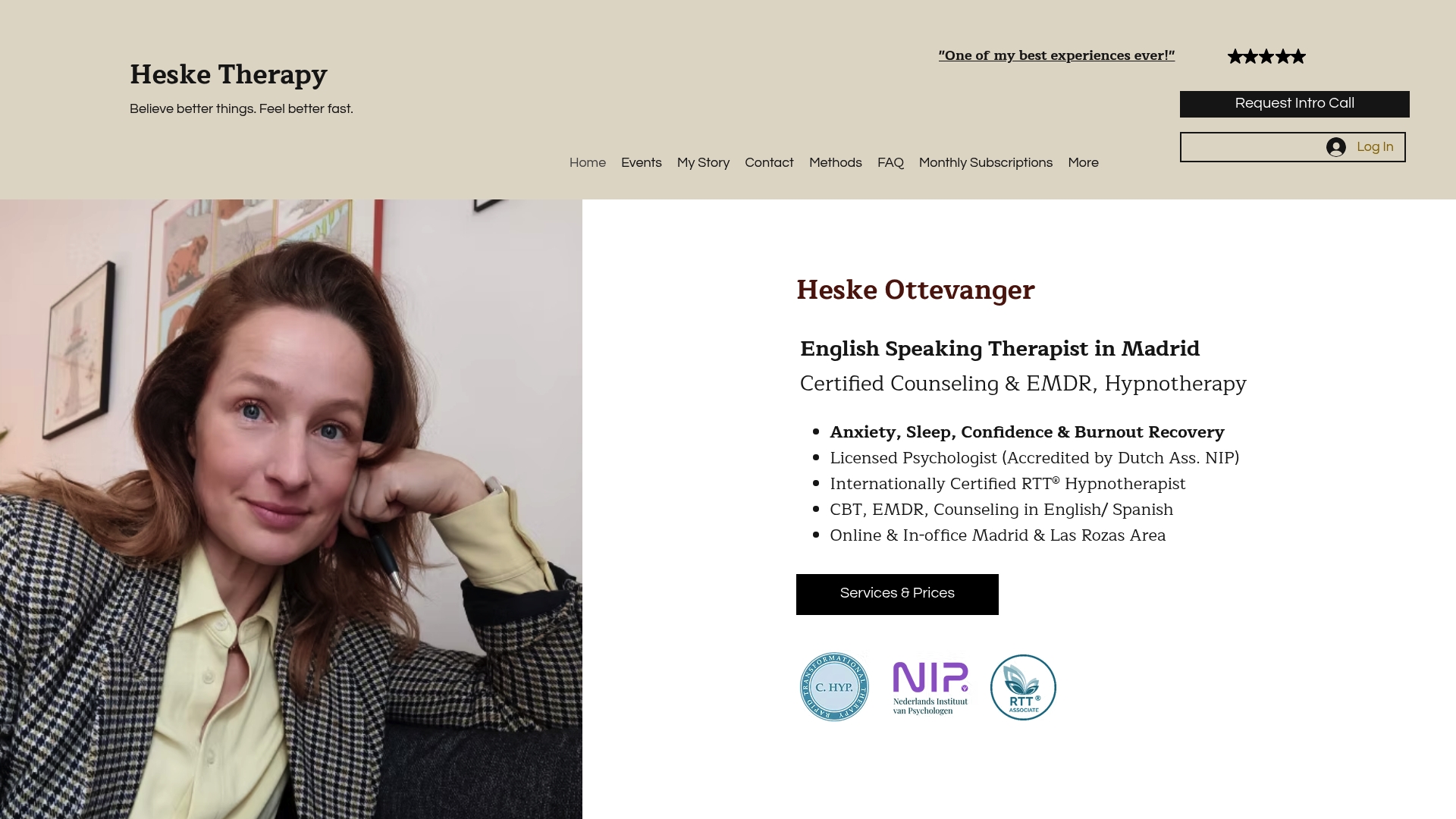
Take the first step toward transforming your mental health and reclaiming control. Visit Heske Therapy to schedule your free discovery call today and explore how our integrative CBT approach can empower you to overcome emotional challenges effectively. Learn more about our personalized psychotherapy services and start your journey to emotional balance now.
Frequently Asked Questions
What is Cognitive Behavioral Therapy (CBT)?
Cognitive Behavioral Therapy (CBT) is a structured, evidence-based approach used to treat various mental health issues by focusing on the connections between thoughts, emotions, and behaviors.
How does CBT help in managing anxiety?
CBT helps in managing anxiety by teaching individuals to recognize and challenge automatic negative thoughts, develop healthier cognitive strategies, and implement behavioral changes to reduce anxiety symptoms.
What are the key components of a typical CBT session?
A typical CBT session includes an initial assessment, goal setting, cognitive mapping, skill development, and behavioral experiments. It emphasizes active participation and regular homework assignments to reinforce learned techniques.
How is CBT different from other therapeutic approaches?
CBT is distinct from other therapies, such as psychodynamic therapy and humanistic therapy, as it is structured, goal-oriented, and focused on present challenges rather than exploring past experiences extensively.
Recommended
Comments